CALEB STEIN
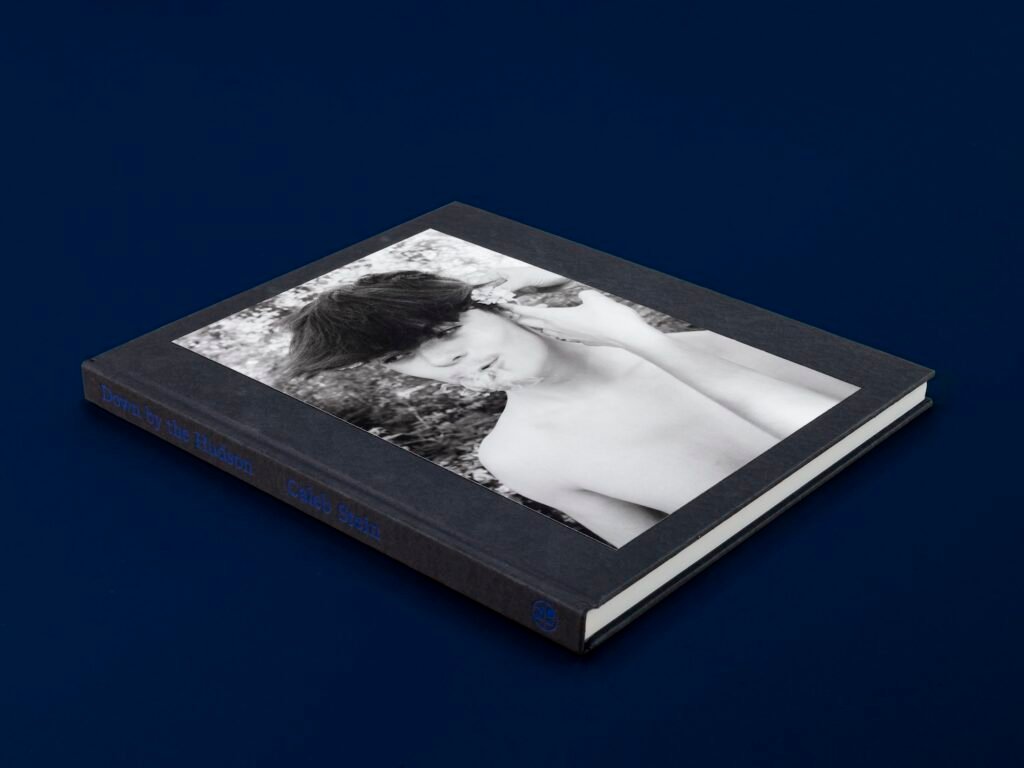
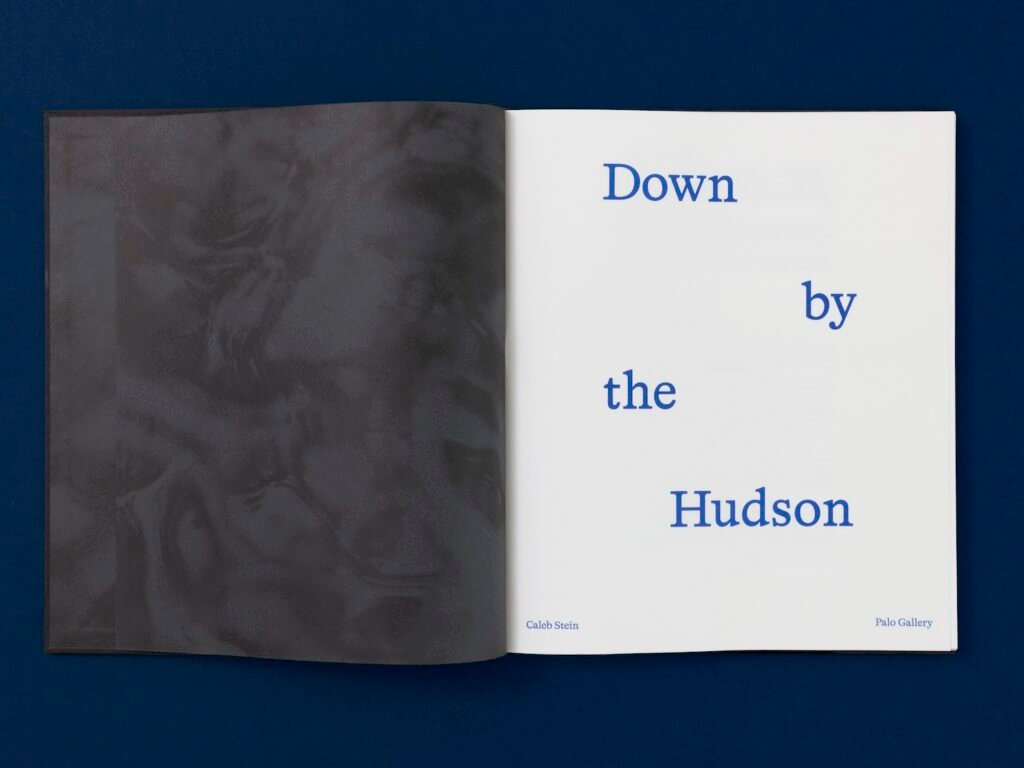
Down by the Hudson
Published by: Palo Gallery Press
Text by: Matteo Cremonesi
Down by the Hudson [2013-2025] is published by Palo Gallery Press, with text contributions by Amitava Kumar, Anita N. Bateman, Matt Carey-Williams, and an interview with Daniel Wolff. A solo exhibition of Down by the Hudson opens at Palo Gallery, NY, at 21 E. 3rd Street, on September 10th from 6-8pm and will be on view until October 3rd, 2026, before traveling to solo exhibitions with Sixteen World Collection during Paris Photo, Book & Job Gallery in San Francisco (January, 2027), and Matt Carey-Williams Gallery in London (March 3-April 2nd, 2027).
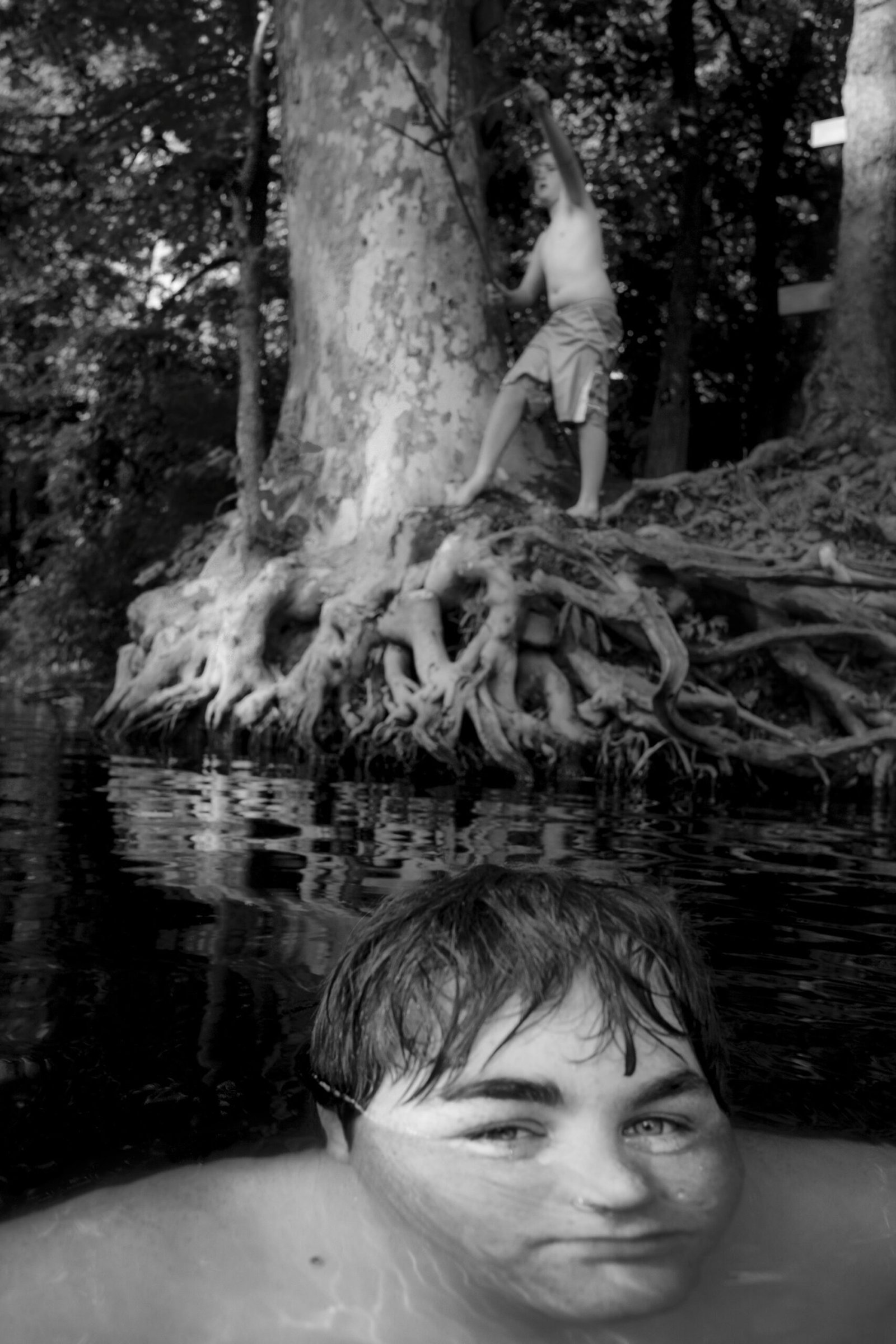
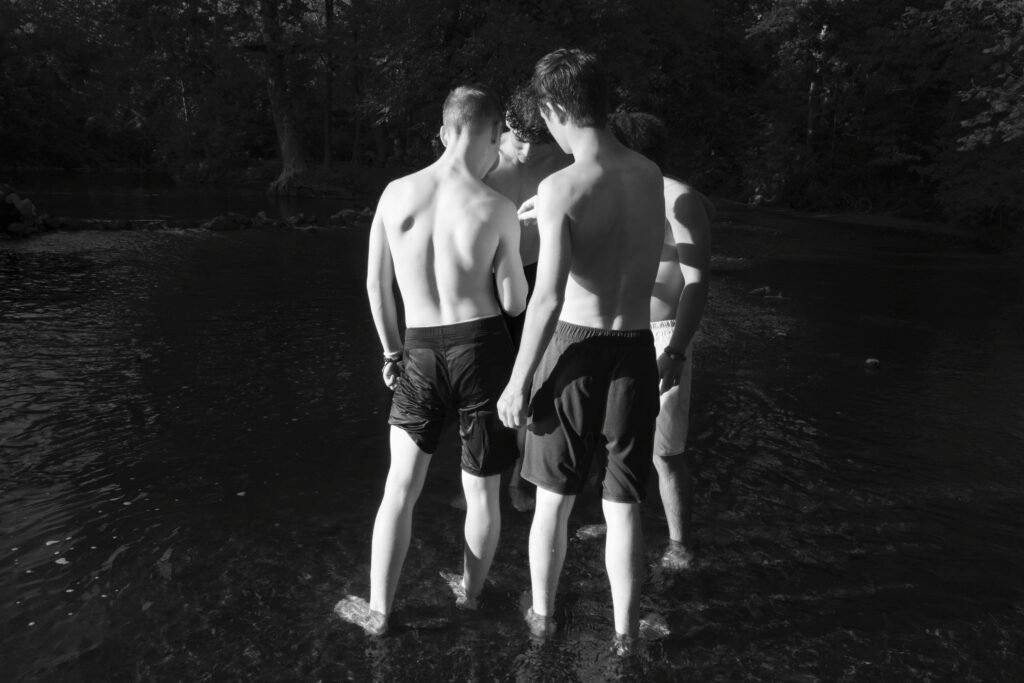
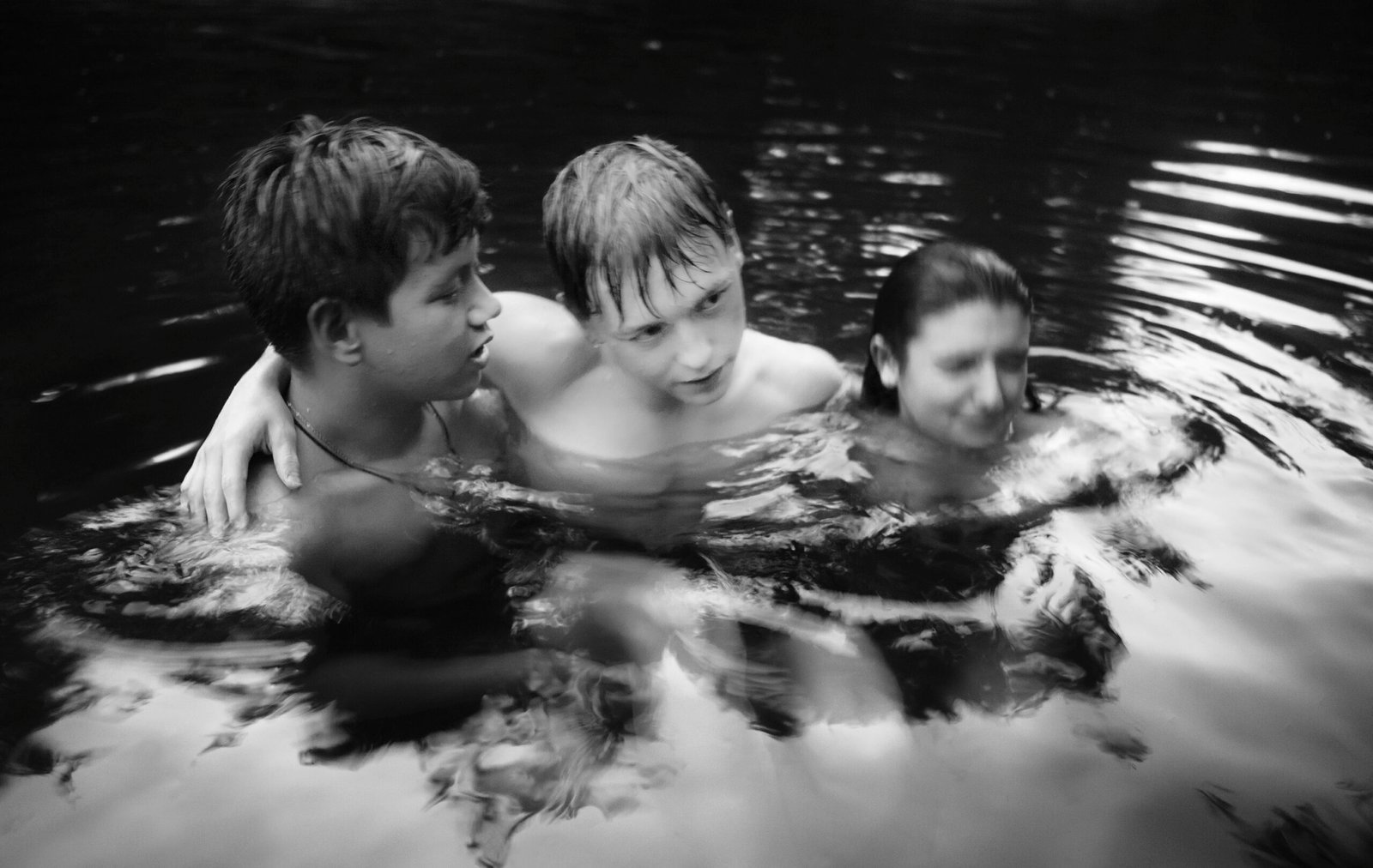
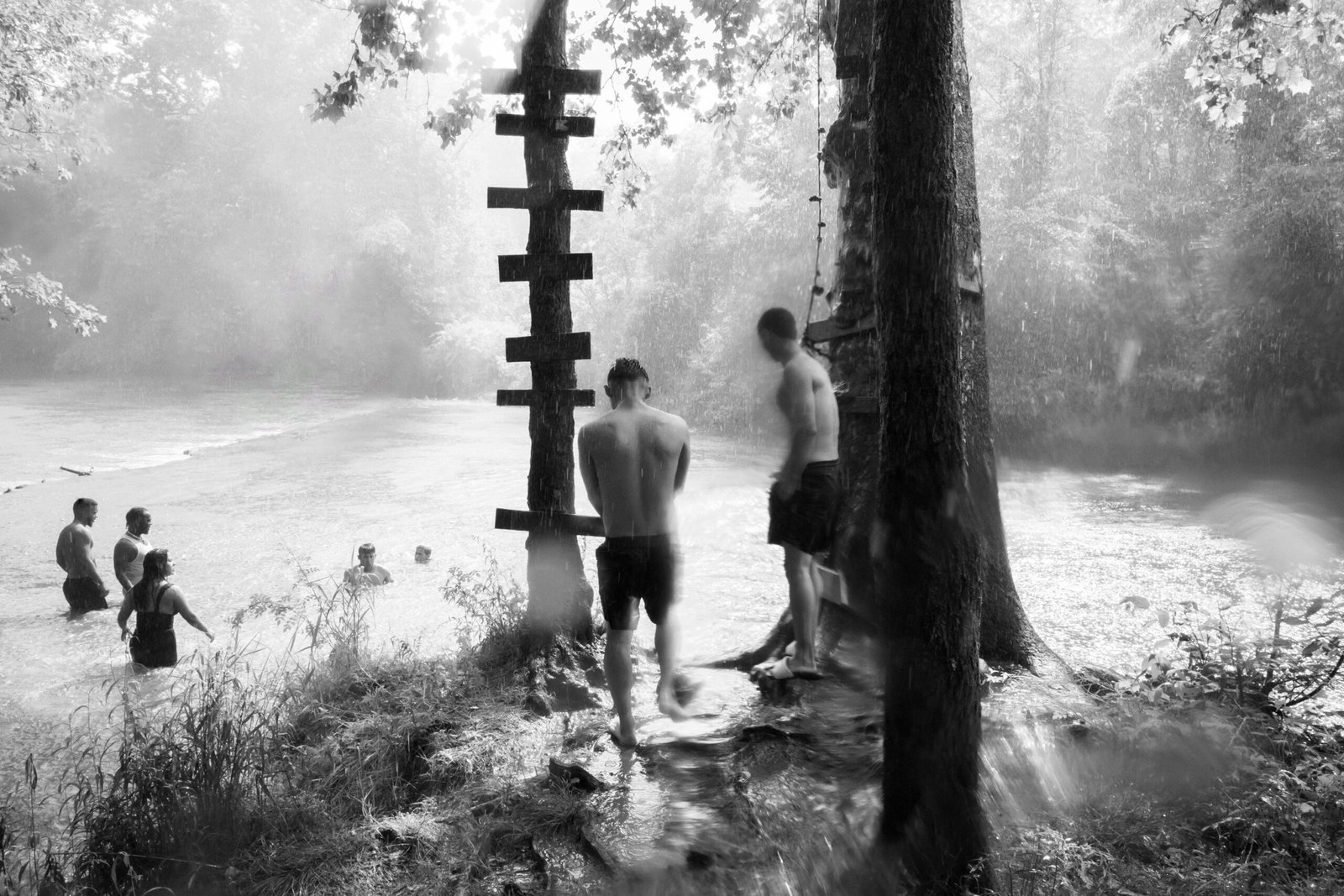
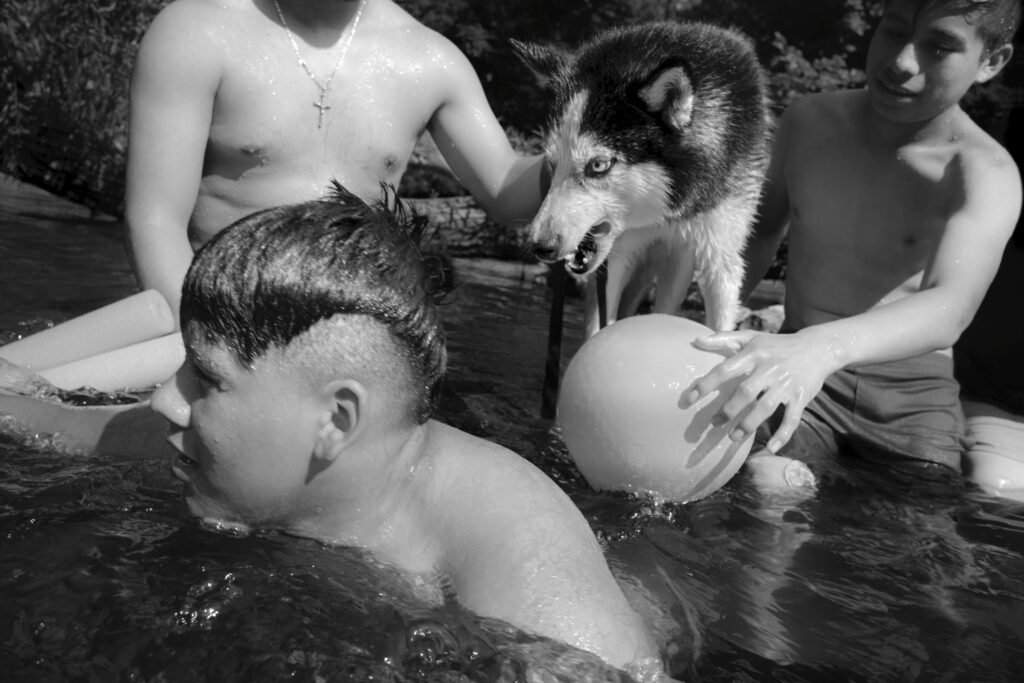
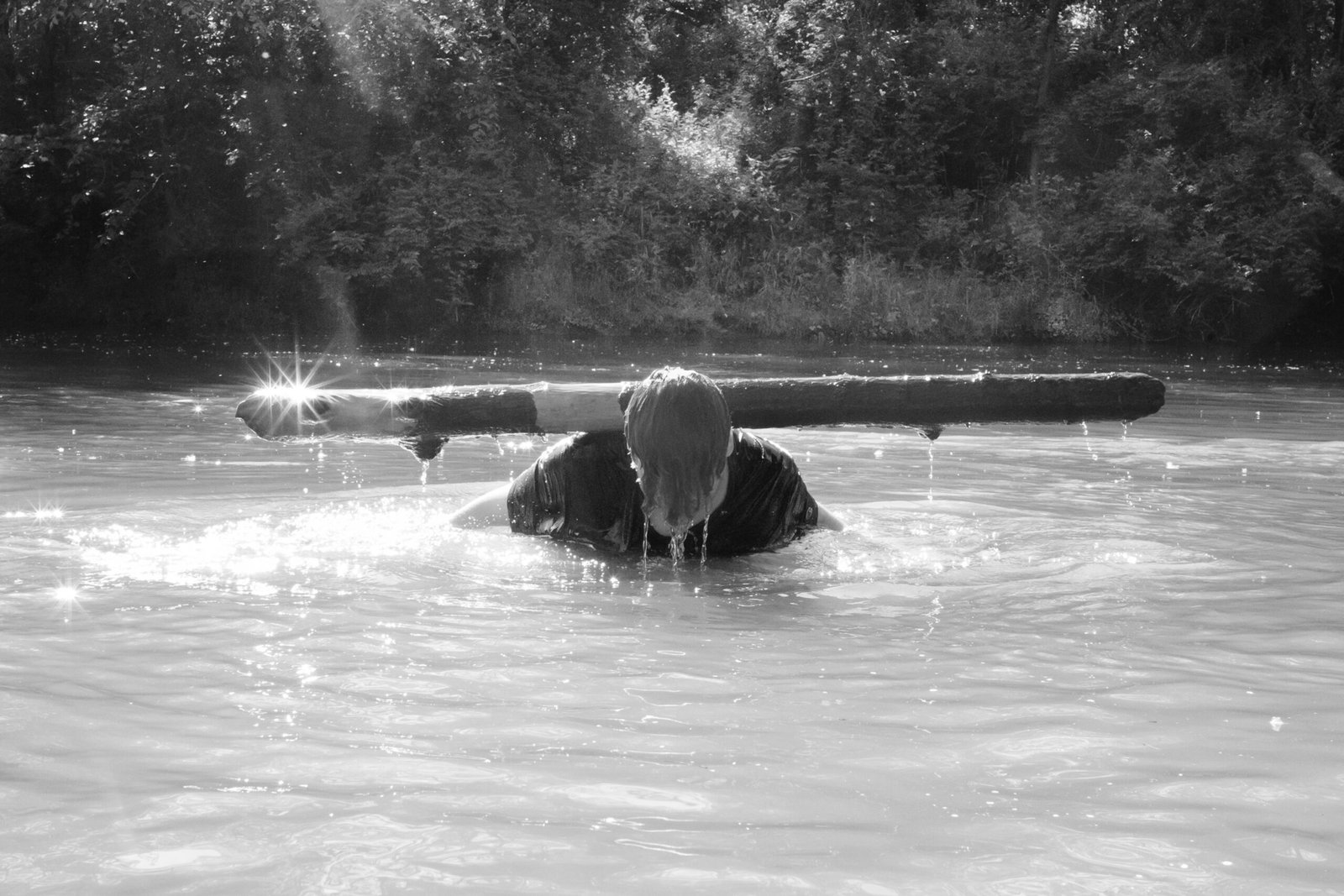
Down by the Hudson takes shape around a small creek on the outskirts of Poughkeepsie, New York, a city where the artist lived intermittently between 2013 and 2025. Tucked away behind a drive-in movie theater, this improvised swimming spot constitutes the geographical and affective center of a body of work that, over the years, has gradually transformed a personal experience into a broader reflection on forms of community, belonging, and representation. The creek initially appears as a marginal, almost insignificant landscape, yet it is precisely this peripheral condition that allows it to become a site of condensation: a place where bodies, desires, social differences, and conflicting imaginaries converge, giving shape to a contemporary Eden that is as idyllic as it is precarious.
The work cannot, however, be separated from the recent history of Poughkeepsie and the transformations that have reshaped the city’s social fabric. The gradual decline of industry in the area, particularly following the downsizing of IBM’s local headquarters in the 1990s, left behind an economic and human geography marked by job loss and social fragmentation. In 2016, during an election season characterized by an almost exact balance between opposing political allegiances, these tensions suddenly became visible. Like many other small American cities, Poughkeepsie revealed itself not only as a specific place, but as a local surface onto which the broader contradictions of the country were projected: industrial decline, political polarization, the erosion of traditional forms of belonging, and the growing difficulty of imagining a shared and communal space.
It is within this fracture that *Down by the Hudson* finds its position. The project does not seek to directly represent conflict or construct a documentary narrative of crisis. Instead, it shifts its gaze toward an apparently peripheral place, where the political dimension is not illustrated but persists as a subterranean pressure. The small swimming hole frequented by the artist thus becomes a space in which people from different backgrounds and circumstances meet and temporarily share a form of proximity. Its very existence is marked by a slight condition of clandestinity: local regulations prohibit gatherings, so the simple act of meeting, swimming, or spending time together takes on the character of a minor transgression. Nothing heroic, of course, but it is precisely at this reduced scale that a concrete political possibility emerges: that of temporarily reclaiming a place from its regulated functions and returning it to common use.
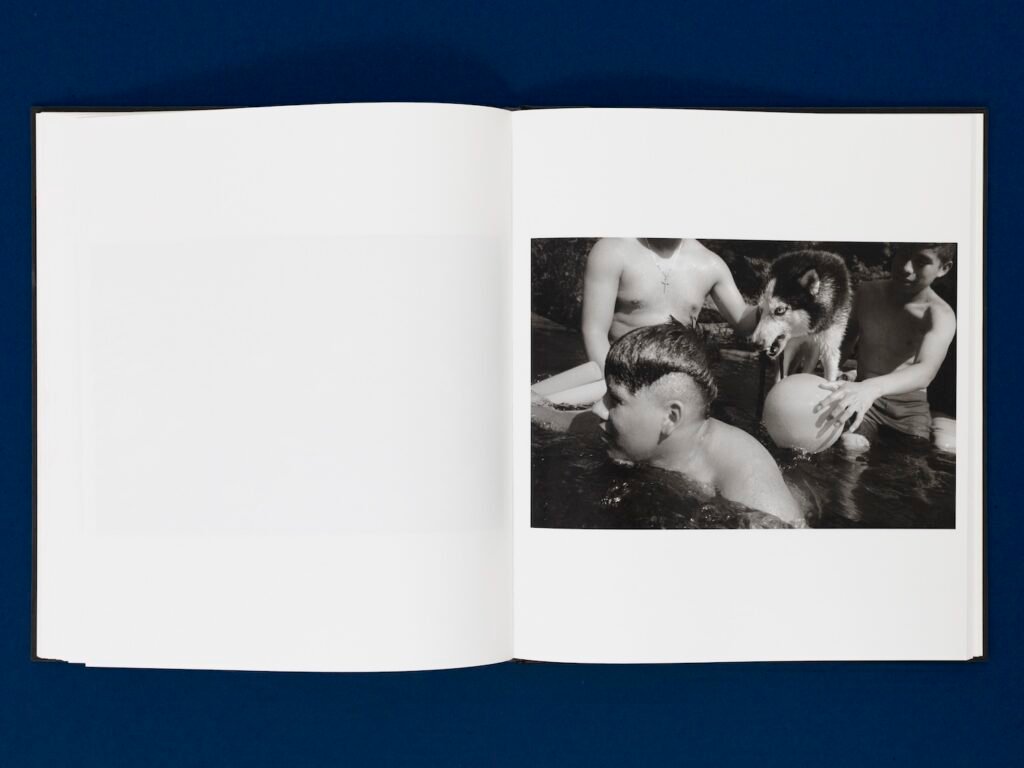
Photography enters this space without claiming to establish a neutral distance. The images are the result of relationships built over time, repeated encounters, and a gradual familiarity with the people portrayed. This shifts the project away from a traditional conception of the documentary, grounded in the idea of a photographer observing an external reality and rendering it through the image. Here, photography seems instead to emerge from within the relationship itself, as one of its possible consequences. The people photographed are not simply made visible; they participate in the construction of a shared situation in which play, posing, exhibition, and vulnerability become inseparable.
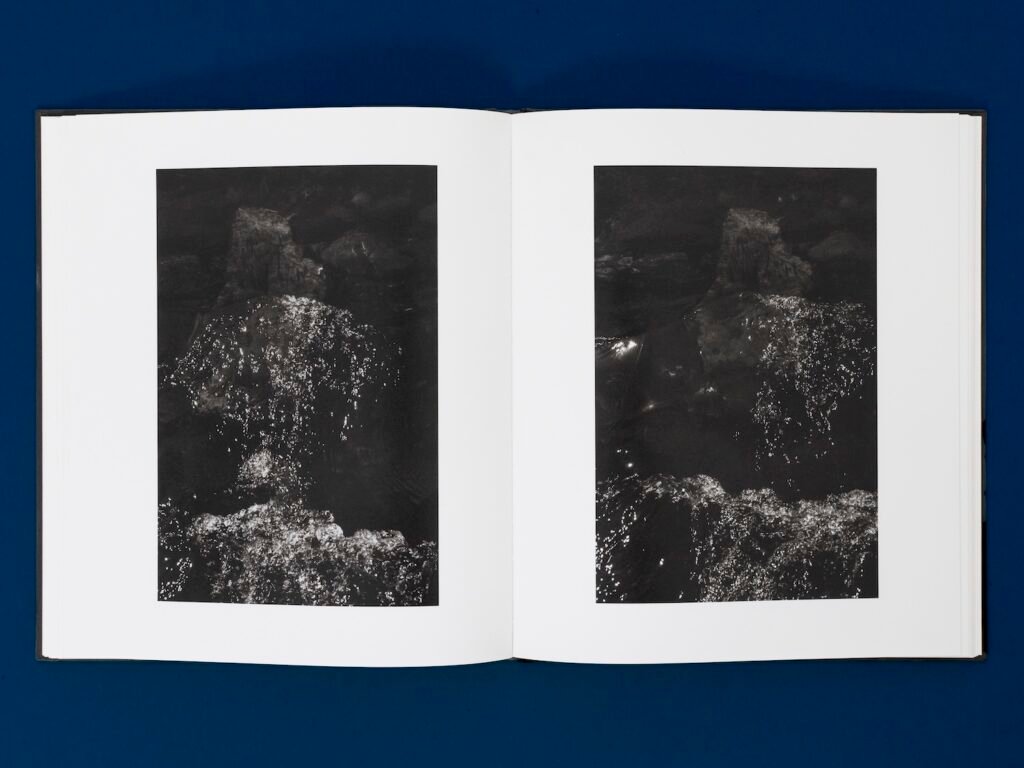
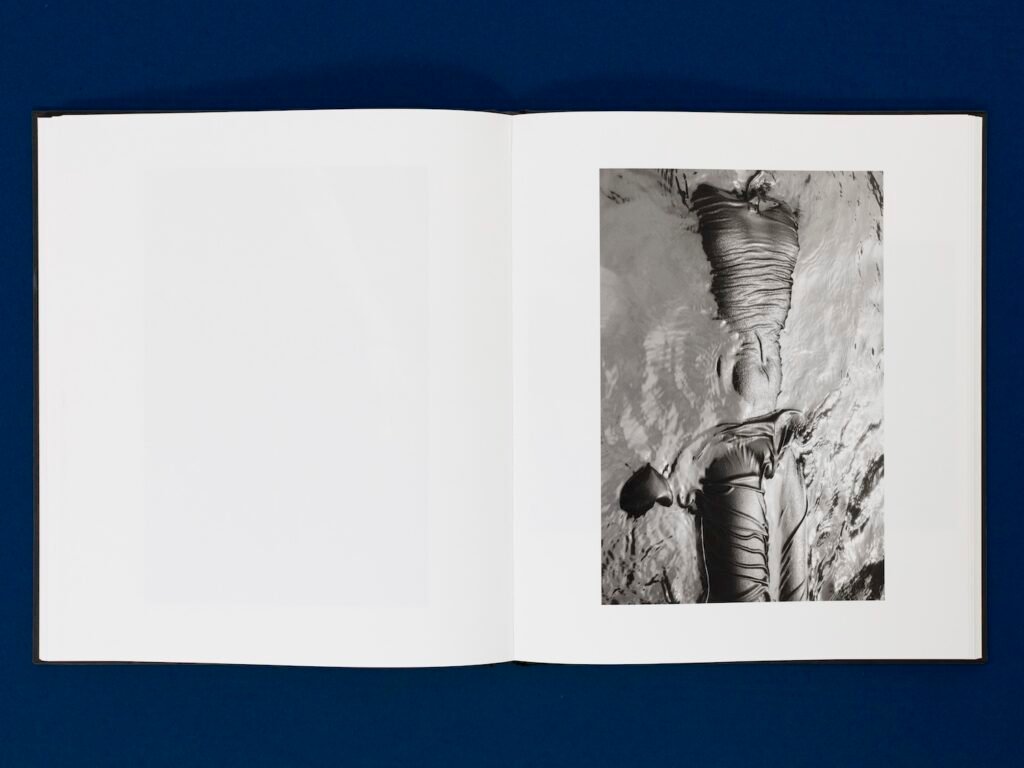
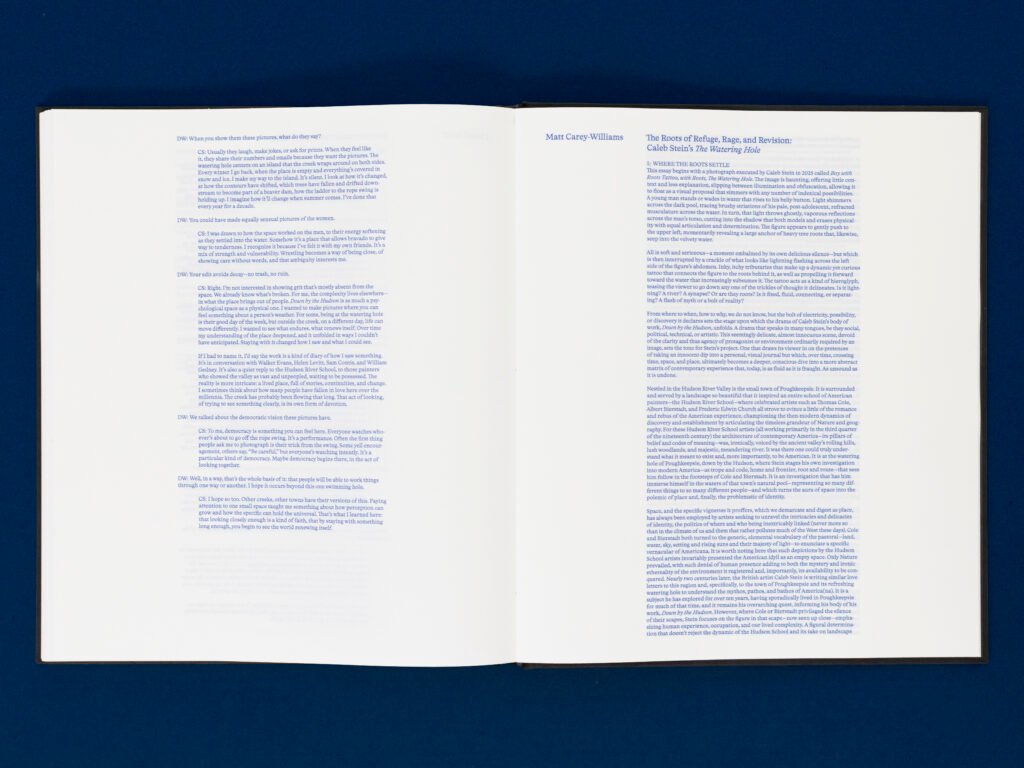
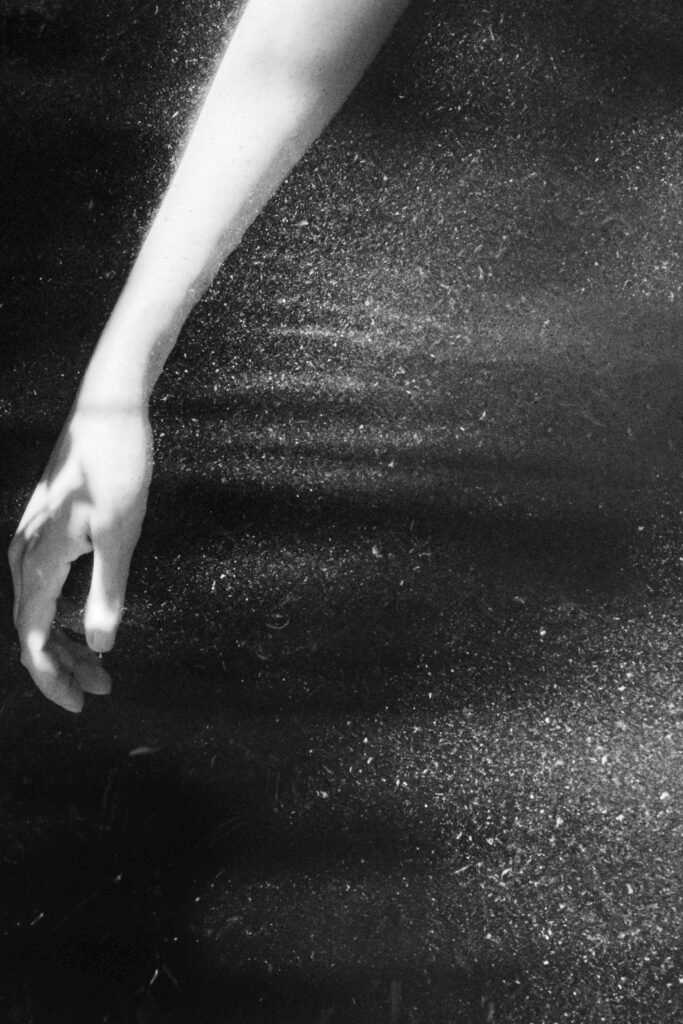
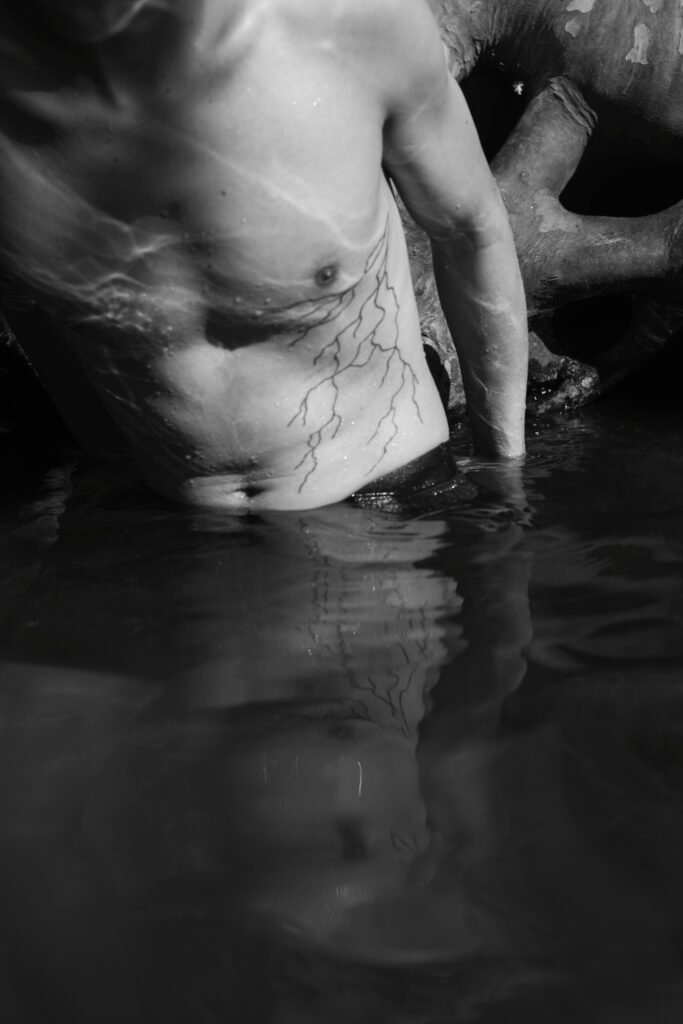
Andrea’s Hand with Light Rays. The Watering Hole. 2023.
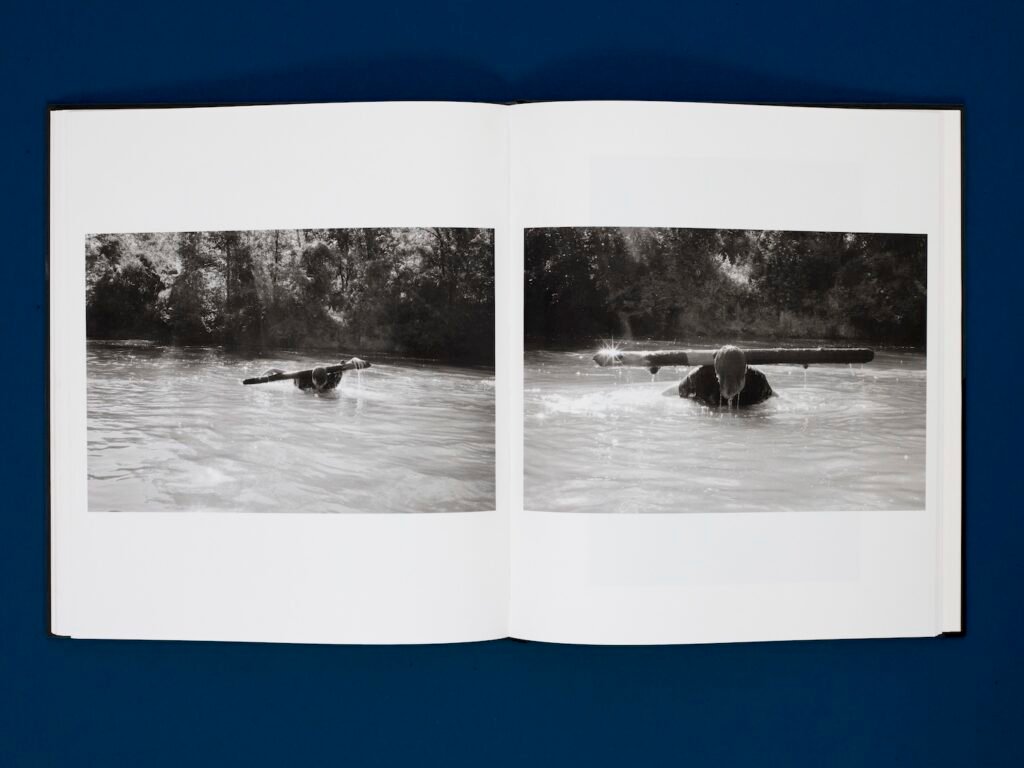
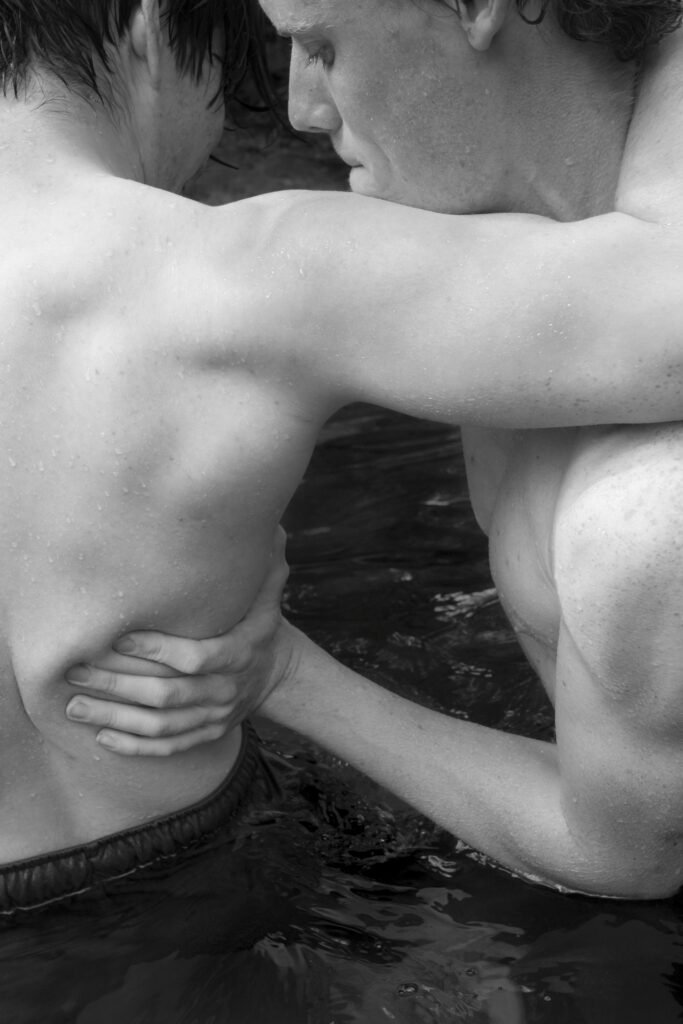
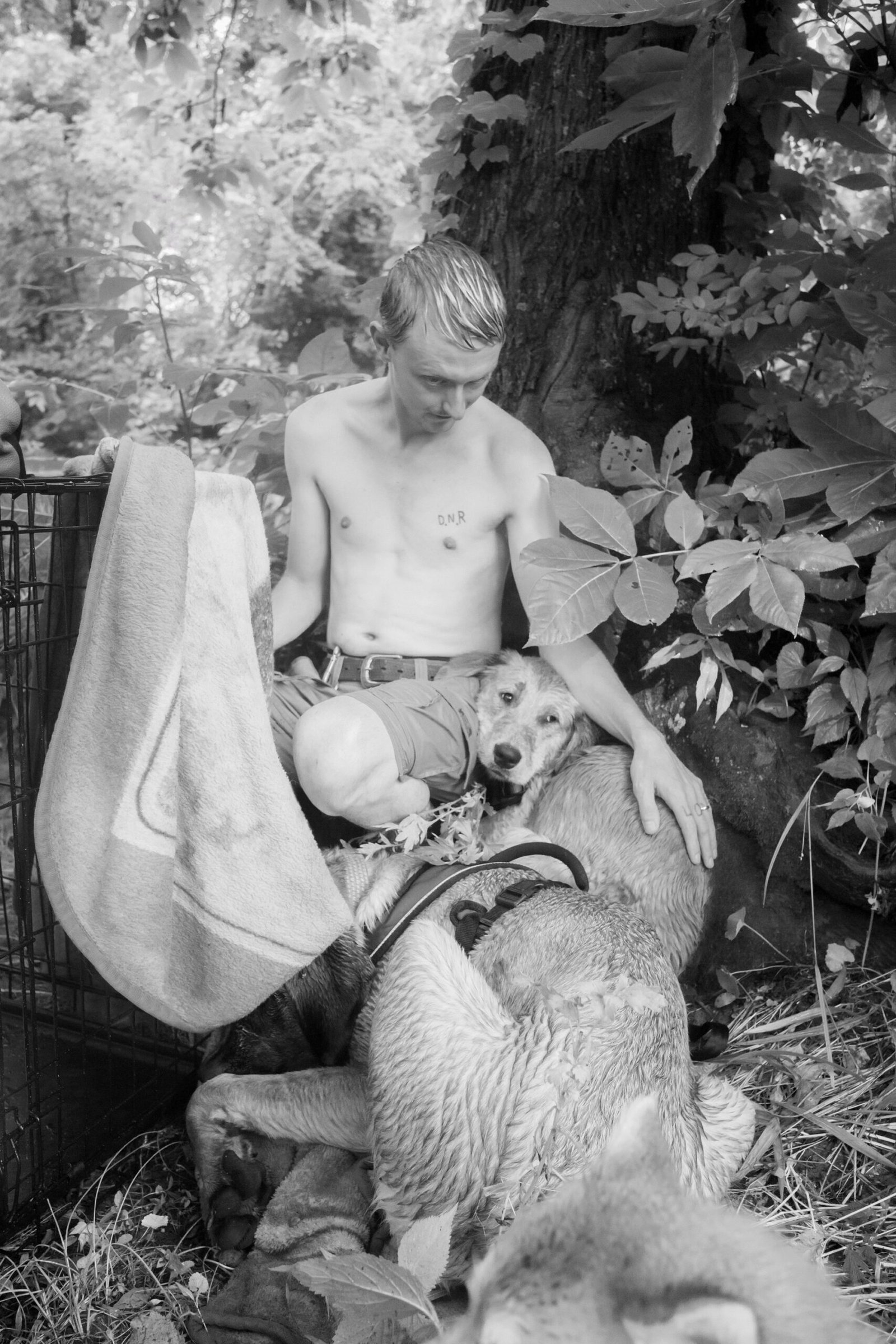
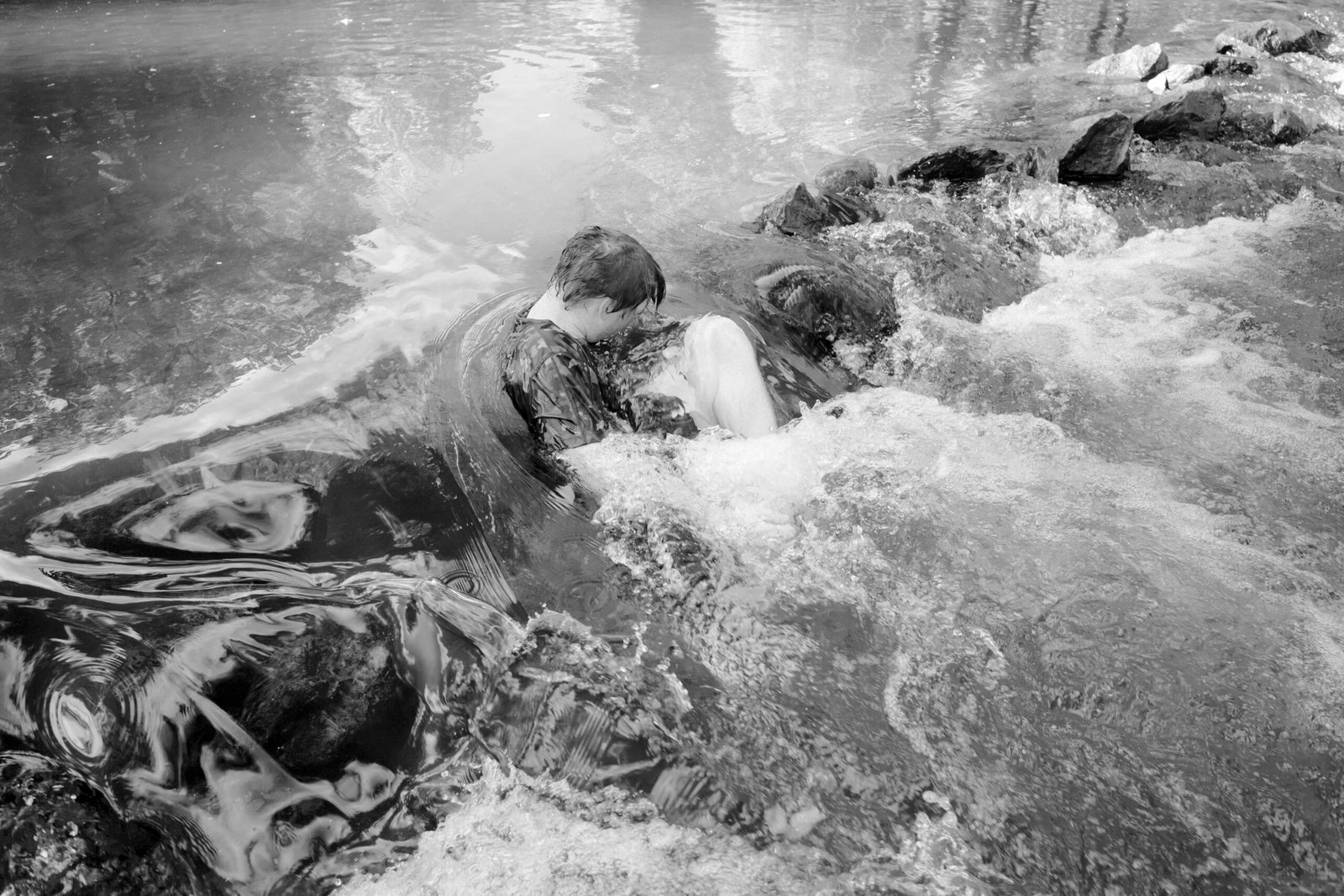
Bode & Owen, Wrestling. The Watering Hole. 2022.
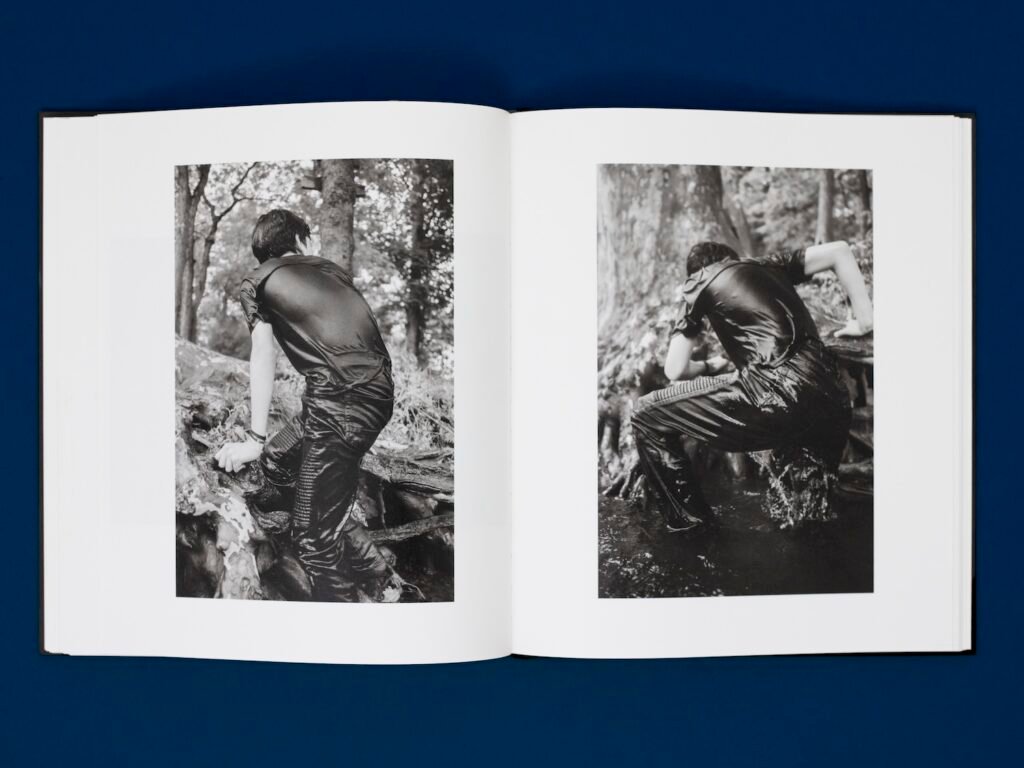
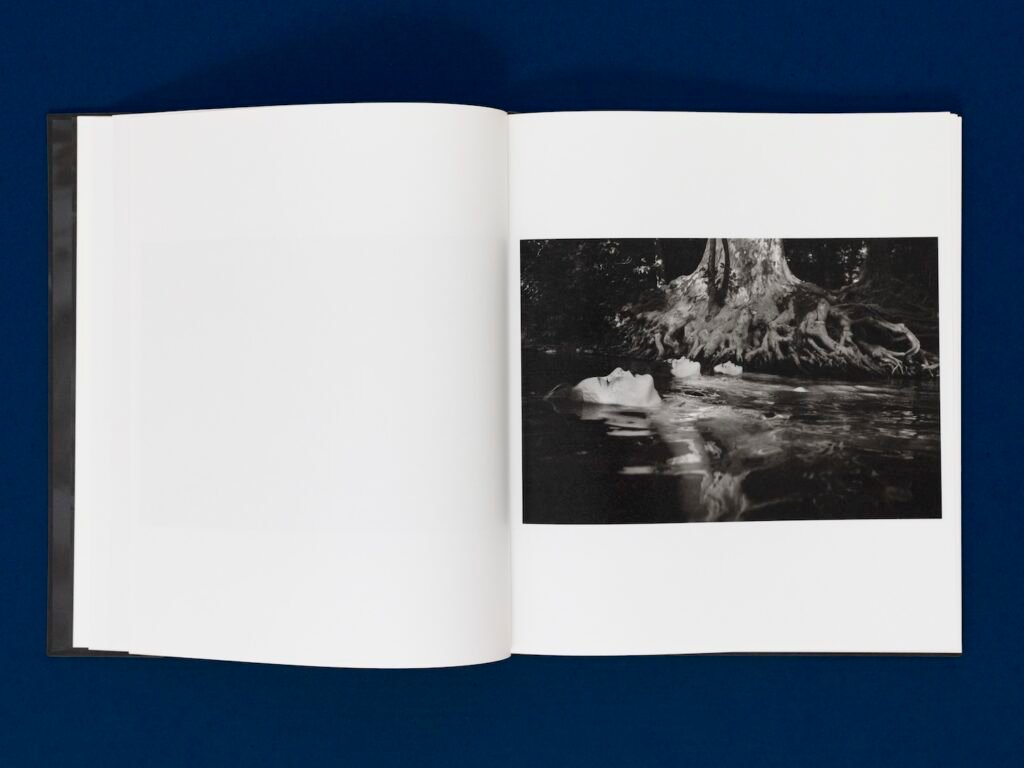
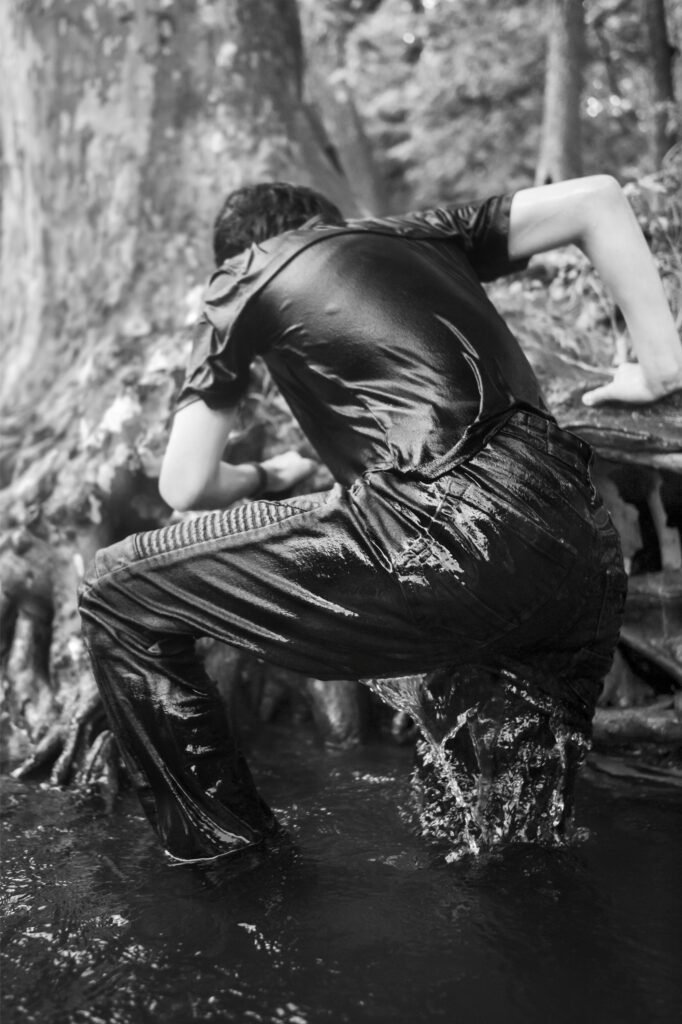
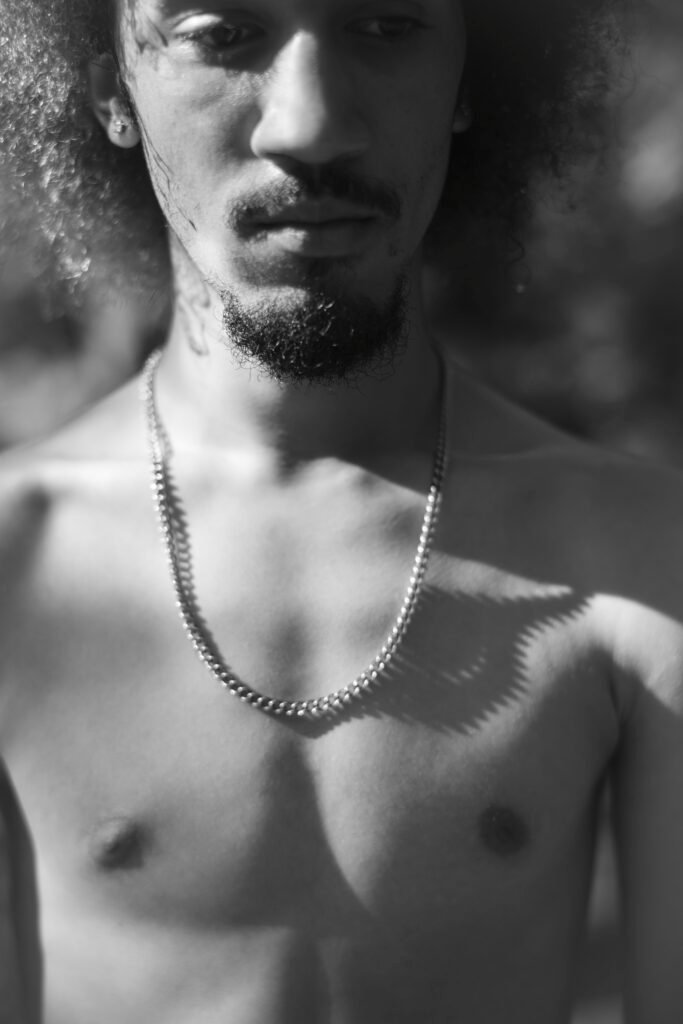
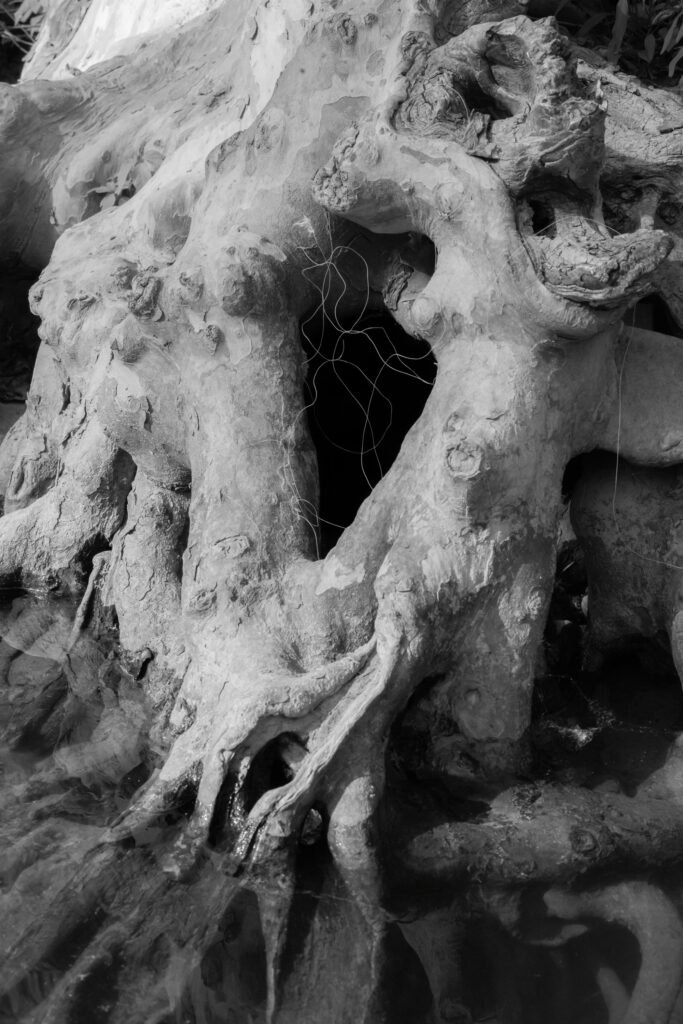
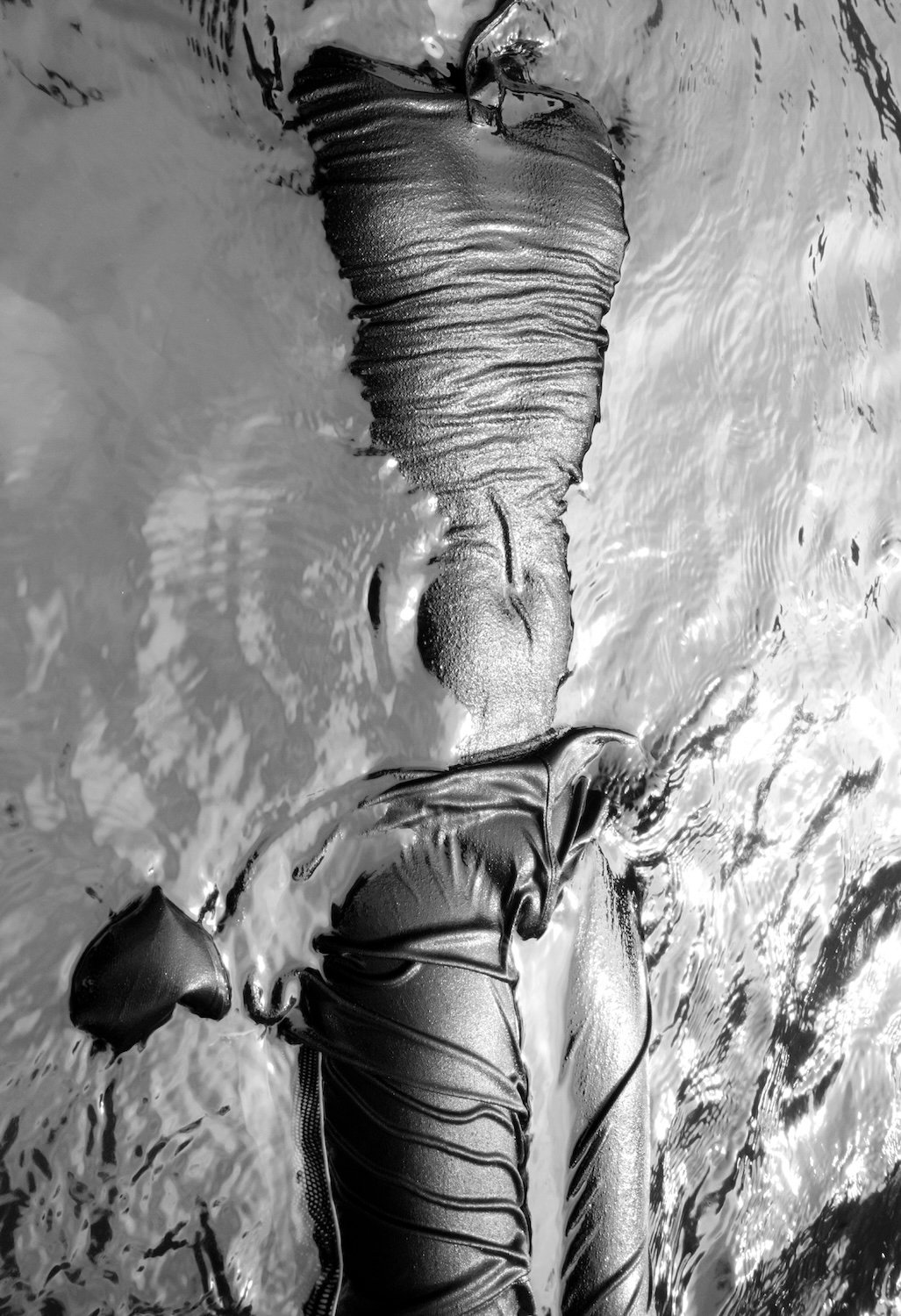
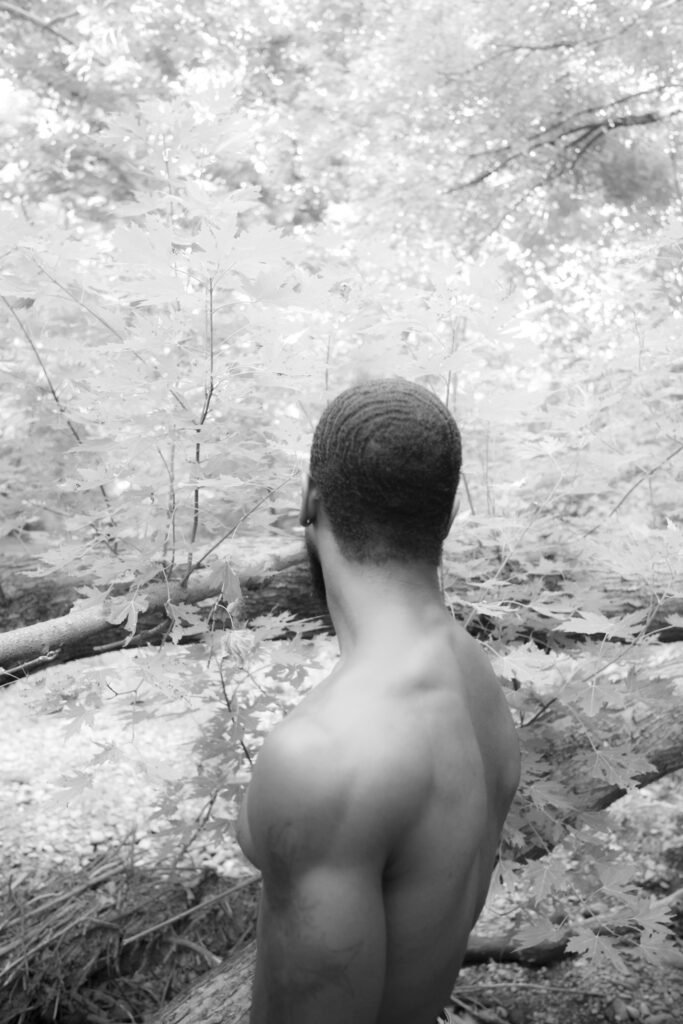
Boy in Black with Roots, I, The Watering Hole, 2023.
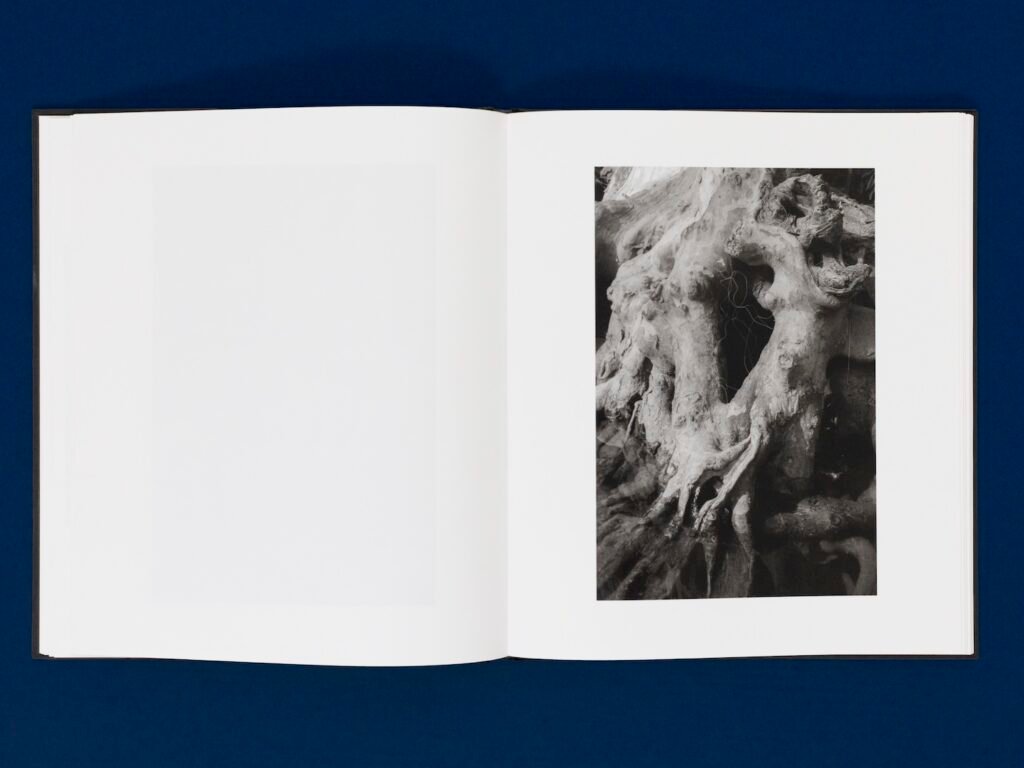
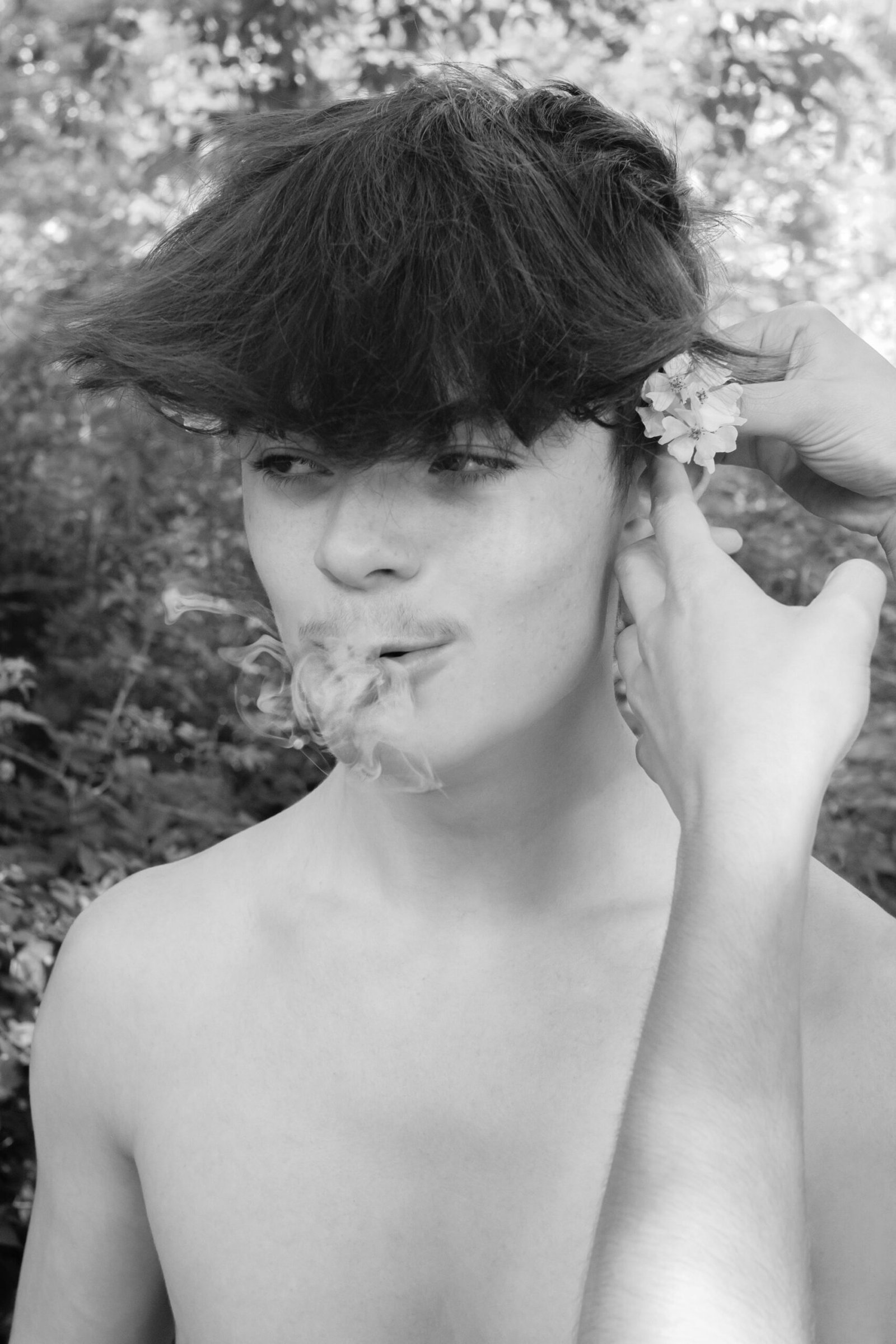
Boy with Roots Tattoo, with Roots. The Watering Hole. 2025.
In a contemporary visual culture saturated with the incessant production of self-representations, it would be naïve to search within the photographic image for a condition of unmediated spontaneity. Bodies know they are being looked at, they understand the codes of photography, and they are accustomed to negotiating their presence through images that are continuously produced and shared. Down by the Hudson does not attempt to bypass this awareness in search of some presumed authenticity hidden beneath the surface. Rather, it seems to understand how posing can itself constitute a form of truth, and how intimacy does not necessarily coincide with transparency. What emerges in the photographs is instead the performative character of every encounter: a continuous movement between the desire to reveal oneself and the desire to withdraw, between the lightness of play and the exposure of vulnerability.
The relationship between photographer and subject is therefore not resolved, but kept open. It is precisely within this tension that the project finds an important part of its strength. The camera is not an invisible device that simply records what happens, but a presence around which something happens. The images do not merely document an already existing community; they participate in constructing the way this temporary community perceives itself, stages itself, and leaves a trace of its existence. A photograph, in this case, is not simply the record of a place or a moment, but the residue of a relationship.
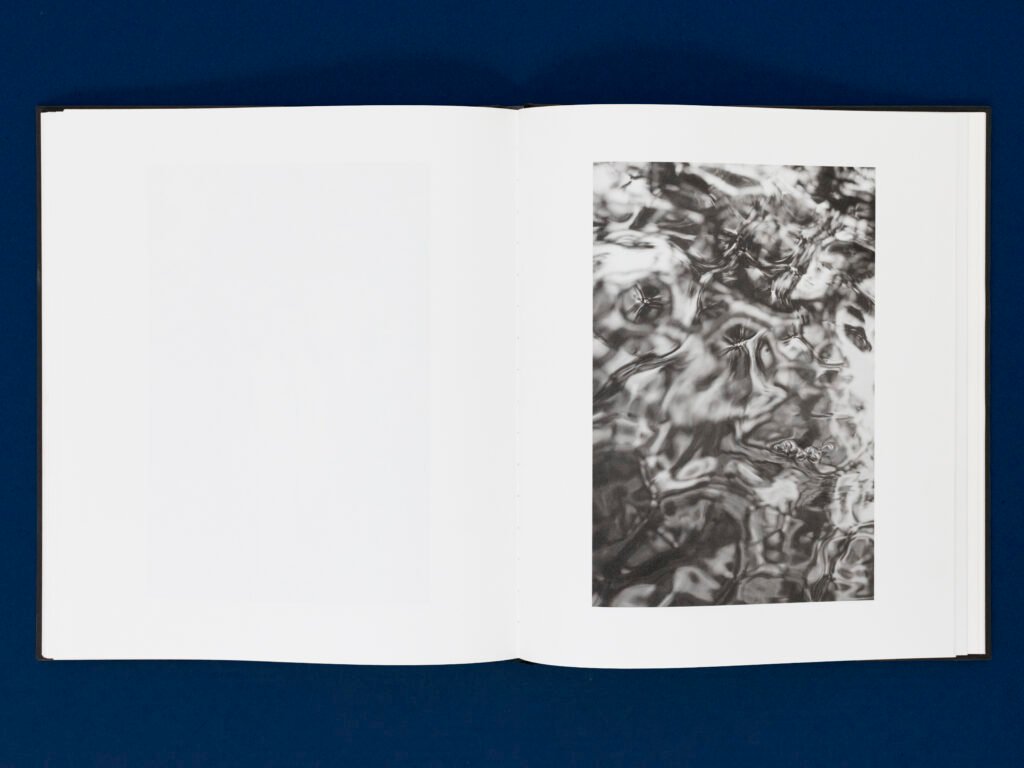
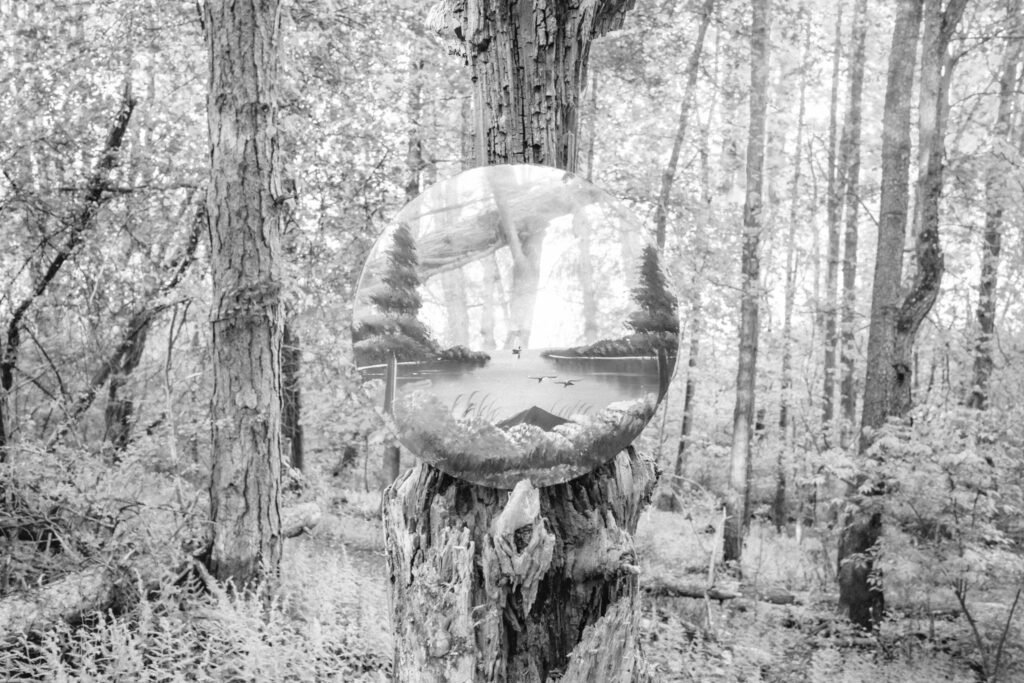
The creek thus becomes much more than a backdrop. Nature does not appear as an uncontaminated elsewhere, separate from the city and its contradictions, nor as the romantic refuge of a community attempting to escape history. It is instead a spatial device capable of temporarily altering behavior. The water, vegetation, and isolation produce a particular condition, loosening the structures of everyday life and allowing bodies to occupy space differently. In this sense, the reference to Eden is inevitable, but this is a profoundly contemporary Eden: not an original paradise, but a precarious, marginal, and regulated space, continually threatened by its own impossibility.
The American imaginary inevitably constitutes one of the levels through which the work can be read. Summer, the river, the drive-in, young bodies, suspended time, and provincial life all point toward a deeply sedimented visual repertoire, a mythology of America constructed through cinema, photography, and popular culture. The project also belongs to a long tradition within American photography that has treated the landscape not simply as a subject to contemplate or represent, but as a territory to traverse, map, and interrogate, using it as a surface upon which the country’s economic, social, and cultural transformations might become legible. From Walker Evans and Robert Frank to William Eggleston and the period of *New Topographics*, the American landscape has often been approached as an archive of the present, a place where the forms of society become deposited and visible. Yet Down by the Hudson avoids surrendering entirely to nostalgia. The images instead seem to question the persistence of this imaginary, asking what remains of that promise of freedom when viewed from within a city marked by economic crisis and political division. The Edenic landscape does not erase the history surrounding it, just as the tenderness of these relationships does not resolve the fractures running through the community. The two dimensions remain present at once.
It is perhaps precisely this coexistence that prevents the work from becoming a sentimental celebration of community. Proximity is not idealized, and encounter does not assume the value of reconciliation. What interests the artist instead is the fragile and contingent possibility that people might share a space without this necessarily translating into a common identity. The community that appears in these photographs is not a unified subject; it does not represent a fixed belonging, nor does it claim to offer an exemplary image of contemporary America. It exists only in the time of its practice: in summer, in the water, in gestures and glances, and in the possibility of returning once again to the same place.
In this sense, Down by the Hudson operates on a deliberately reduced scale, opposing the temptation of grand narratives with an insistence on what happens at the margins. Photography allows these two dimensions to be brought into relation without having to reconcile them: on the one hand, the irreducible specificity of a body, a gesture, or a glance; on the other, the collective history that continues to exert pressure on those bodies and places. The project moves precisely between these two scales, where the personal never fully coincides with the private and the political does not necessarily need to assume the explicit form of political discourse.
After years spent photographing this place and the people who inhabit it, what remains is neither the definitive portrait of a city nor the testimony of a community. What remains instead is a constellation of relationships and situations, an affective geography slowly constructed over time. The creek in Poughkeepsie becomes a figure through which to observe something broader: the need for spaces in which differences can come into contact without immediately being reduced to a function; the possibility of a proximity that does not require ideological consensus; and, above all, the persistence of forms of collective life that continue to emerge even within the most fragmented contexts.
The Eden of Down by the Hudson is therefore not a place outside history. On the contrary, it exists only within history, with all its contradictions. It is a small territory temporarily withdrawn from the established order, where freedom does not coincide with an abstract condition but with the concrete possibility of being together. Perhaps this is the work’s most political quality: not the idea of a community recovered, but the patient recording of those moments when a community, without announcing itself and without necessarily knowing that it is one, comes into being.
Caleb Stein (b. 1994, UK) is a multimedia artist currently based in the U.S. His conceptual, documentary work often takes the form of photographic installations, multi-channel video works, and artist books that engage with questions around the collective, community, and the relationship between photography, perception, and memory.
Stein’s work has been exhibited internationally, often as an artist duo with Andrea Orejarena (b. 1994, Colombia). Stein’s work can be found in a number of public & private collections, including The J. Paul Getty Museum, The Museum of Fine Arts, Houston, The Frances Lehman Loeb Art Center, Nguyen Art Foundation, Sixteen World Collection, The New York State Museum, and the Ann Tenenbaum & Thomas H. Lee Family Collection.
His work has been exhibited at The Museum of Fine Arts in Houston, FOAM, Deichtorhallen, Deutsche Börse Photography Foundation, Photoforum Pasquart, The Frances Lehman Loeb Art Center, Webber Gallery, Red Hook Labs, The Curator’s Room, PHMuseum, Belfast Photo Festival, Photo Vogue Festival, Vincom Center for Contemporary Art, ROSEGALLERY, Palo Gallery, and Vin Gallery.
Stein’s work has been published in The New York Times, Kunstforum International, LA Review of Books, The Guardian, Hyperallergic, The British Journal of Photography, i-D Vice, Vogue Italia, Vanity Fair, and FOAM, among many other places. Books include ‘Long Time No See’ (made as an artist duo with Andrea Orejarena), published by Jiazazhi Press in 2022 with texts by Do Tuong Linh and Forensic Architecture, ‘How to Move a Mountain’, published by Luhz Press in 2024 with an introduction by David Campany, ‘American Glitch’ (made as an artist duo with Andrea Orejarena), published by Gnomic Book in 2024 with an introduction by David Campany and a text booklet with contributions from 35 writers, artists, and curators offering their reflections on contemporary conceptions of glitch, ‘Glitch Typologies’ (Palo Gallery Press, 2025) with a text by Nadine Isabelle Henrich, ‘Down by the Hudson’ (Palo Gallery Press, 2026) with texts by Amitava Kumar, Anita N. Bateman, Matt Carey-Williams, and Daniel Wolff, and ‘Car Wash’ (forthcoming, 2026 with Luhz Press) edited by David Campany. These books are held in the special collections at MoMA, The Metropolitan Museum of Art, Yale University, Princeton University, Stanford University, The Rijksmuseum, and The Center for Book Arts, among other places.
Orejarena & Stein’s first solo museum show ‘Viral Hallucinations: Andrea Orejarena & Caleb Stein’s Tactics & Mythologies’ was on view at the Deichtorhallen in Hamburg in the early fall of 2024 until early 2025, curated by Nadine Isabelle Henrich; the exhibition includes new sculptural, installation, and video components. The exhibition travelled to PhotoForum Pasquart in Switzerland for an iteration of the work curated by Amelie Schüle. An iteration of the work will be included in Fotomuseum Winthertur curator Marco de Muutis’s digital sector of Paris Photo at the Grand Palais in 2026, with Palo Gallery showing work from the Deichtorhallen/Pasquart travelling museum show.
Stein’s work is represented by PALO Gallery, ROSEGALLERY in LA, and Vin Gallery in HCMC/Shanghai.