When I was 12 years old, my mother’s frustration with me for not talking that much got to the point of an argument. “Why don’t you speak like any other normal person?” she raised her voice at me. I promptly answered, “Instead of speaking, I have images in my head.” Since then, at every family dinner, she tells this story as a joke so people don’t question why I’m the silent one in the family.
Our unconsciousness is a tricky territory; our deepest fears, memories, traumas, flashbacks, and free associations come to the surface mostly through some form of visual representation. We dream. We also assume that these thoughts and images are individual; our patterns and past are coming to the surface, and we embrace them with our uniqueness. But what if we could harness our collective unconsciousness?
The project deals with the subconscious, how patterns of our behavior are slowly taking over our lives without us even realizing it: human relationships, friendships, love interests, and our recurring schemas in our lives that, without self-reflection, are so hard to escape. Our past experiences influence and guide our present and future, without us even realising it. The ghost in the machine comes knocking on the door.
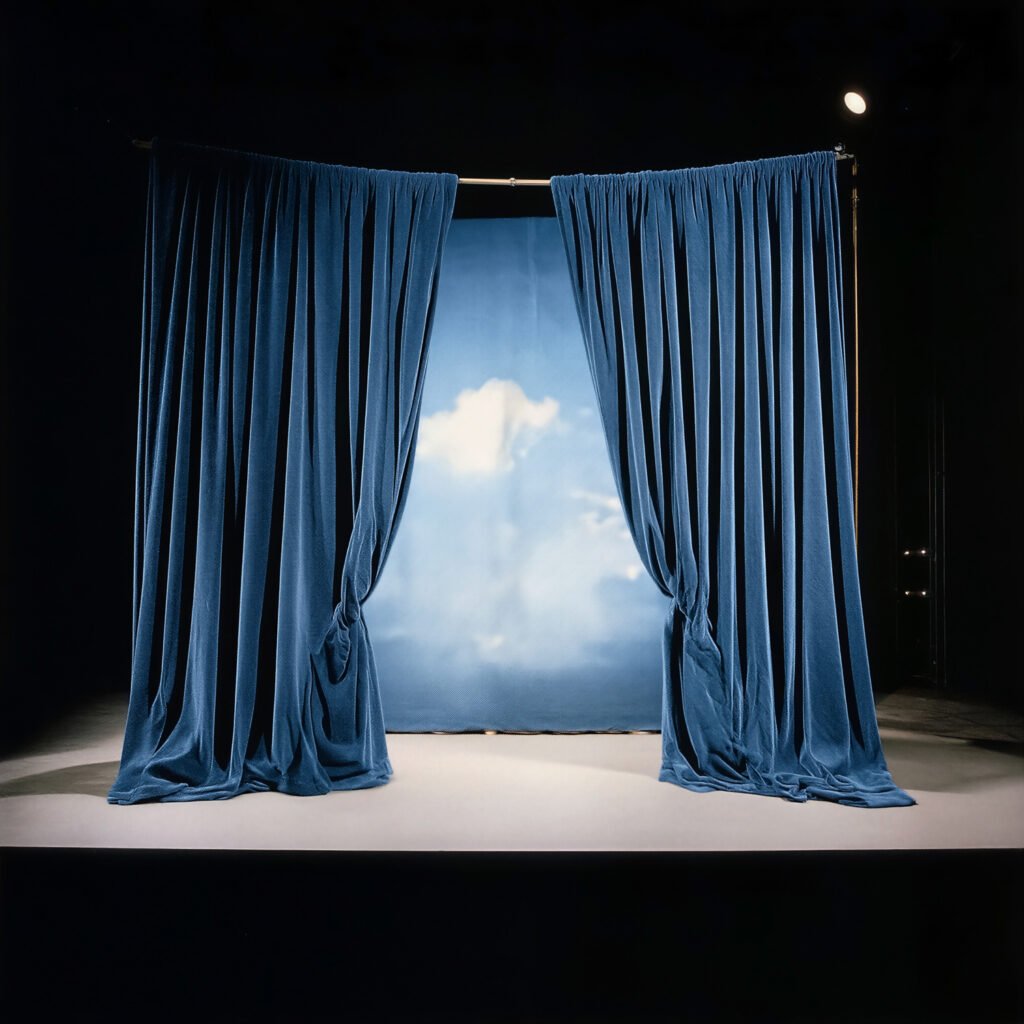
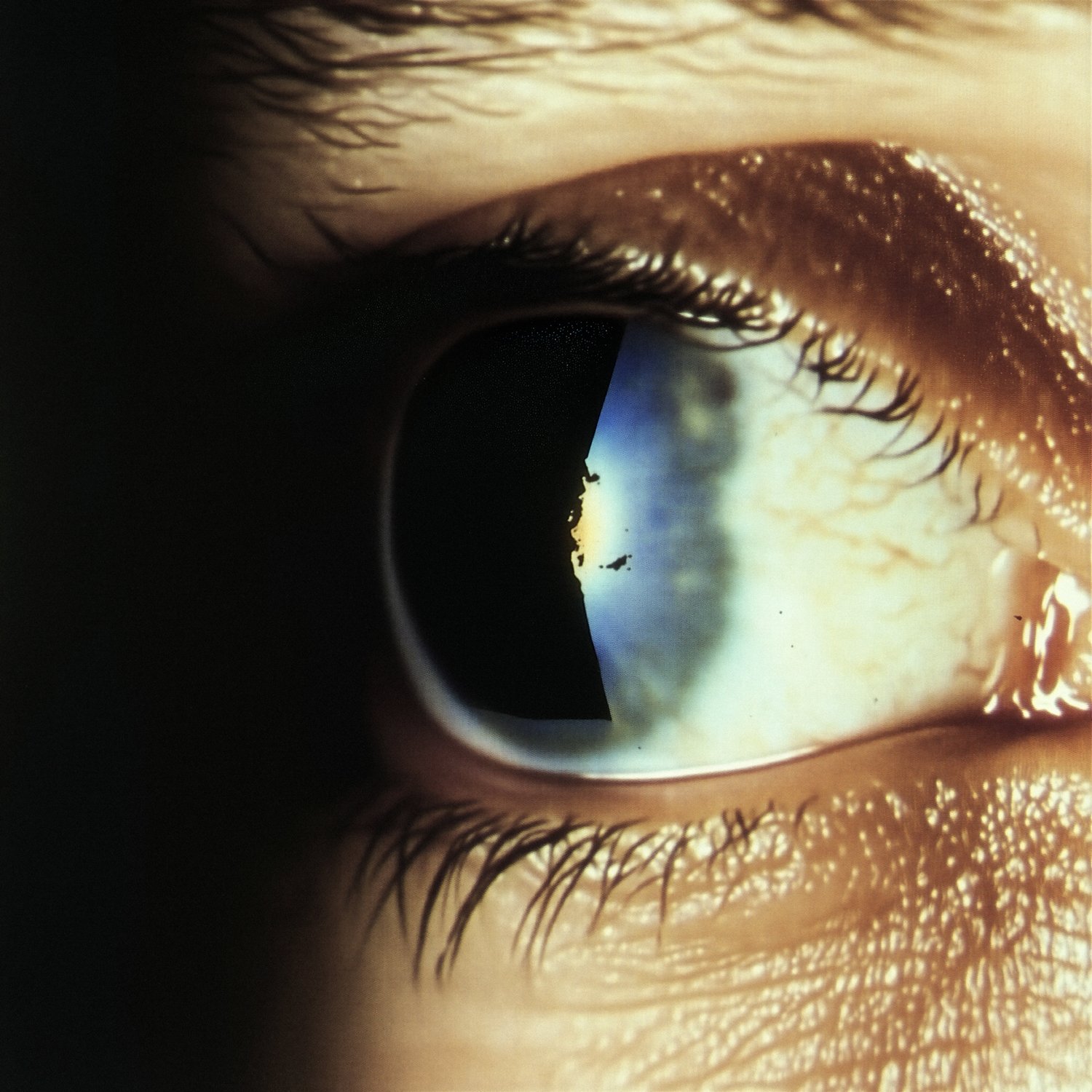
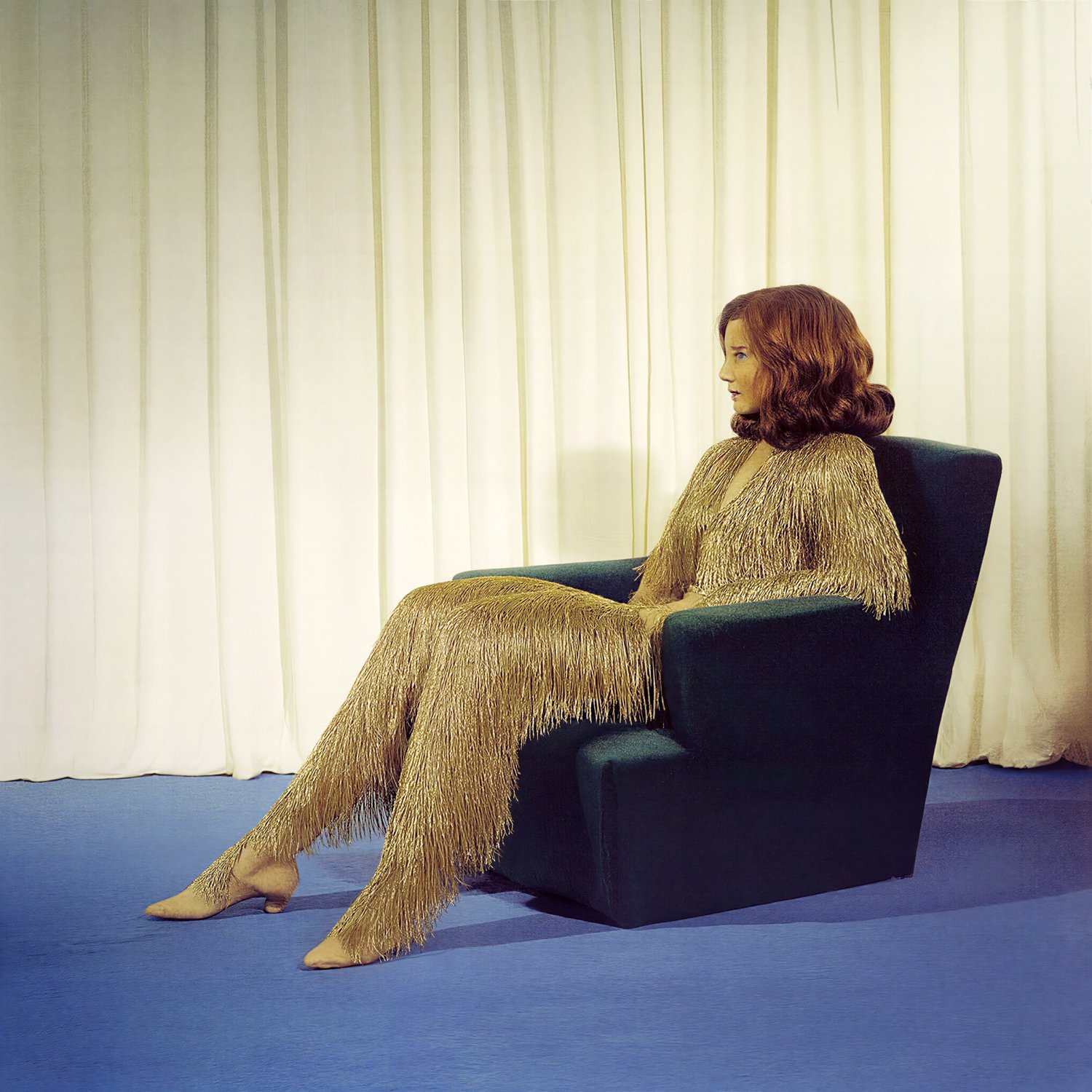
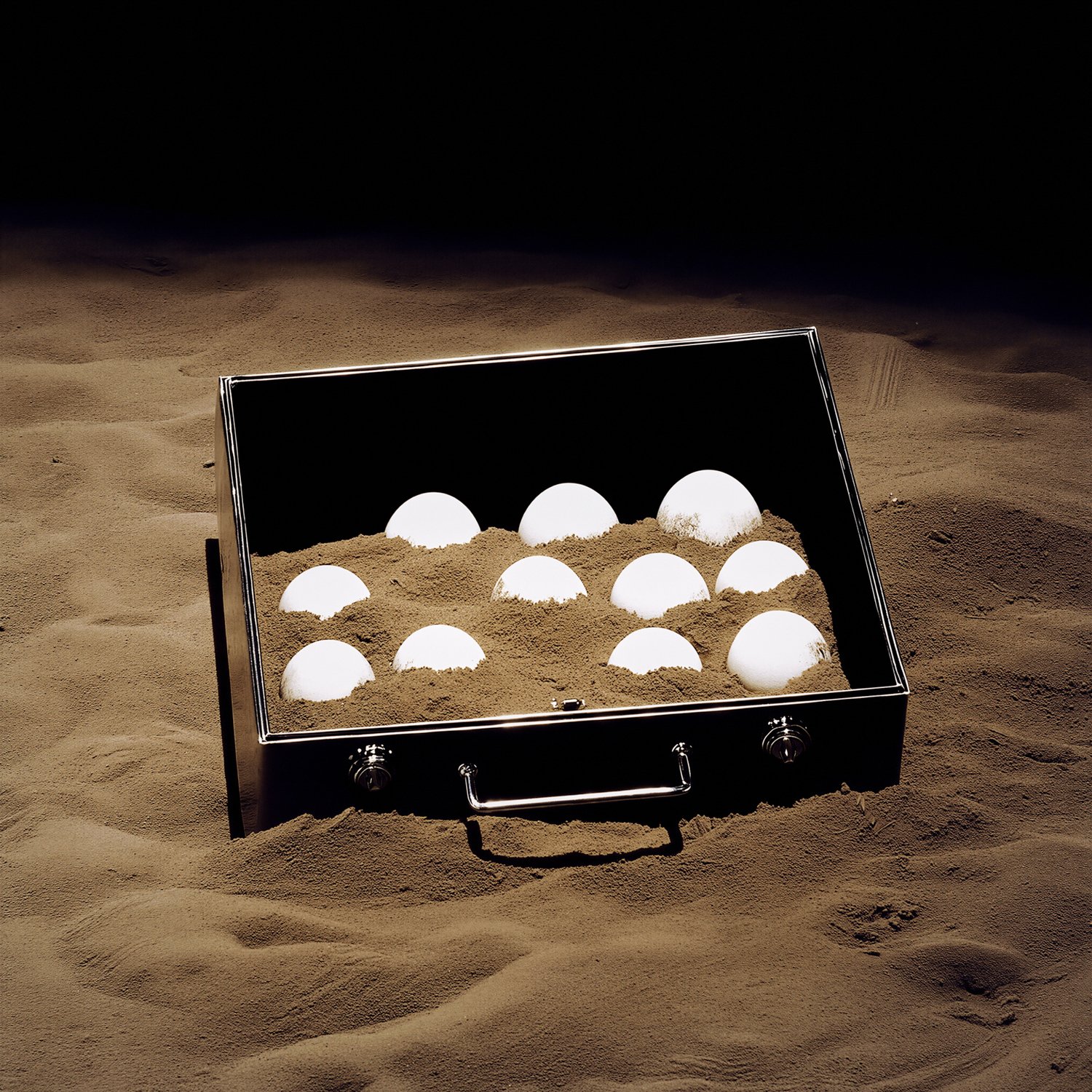
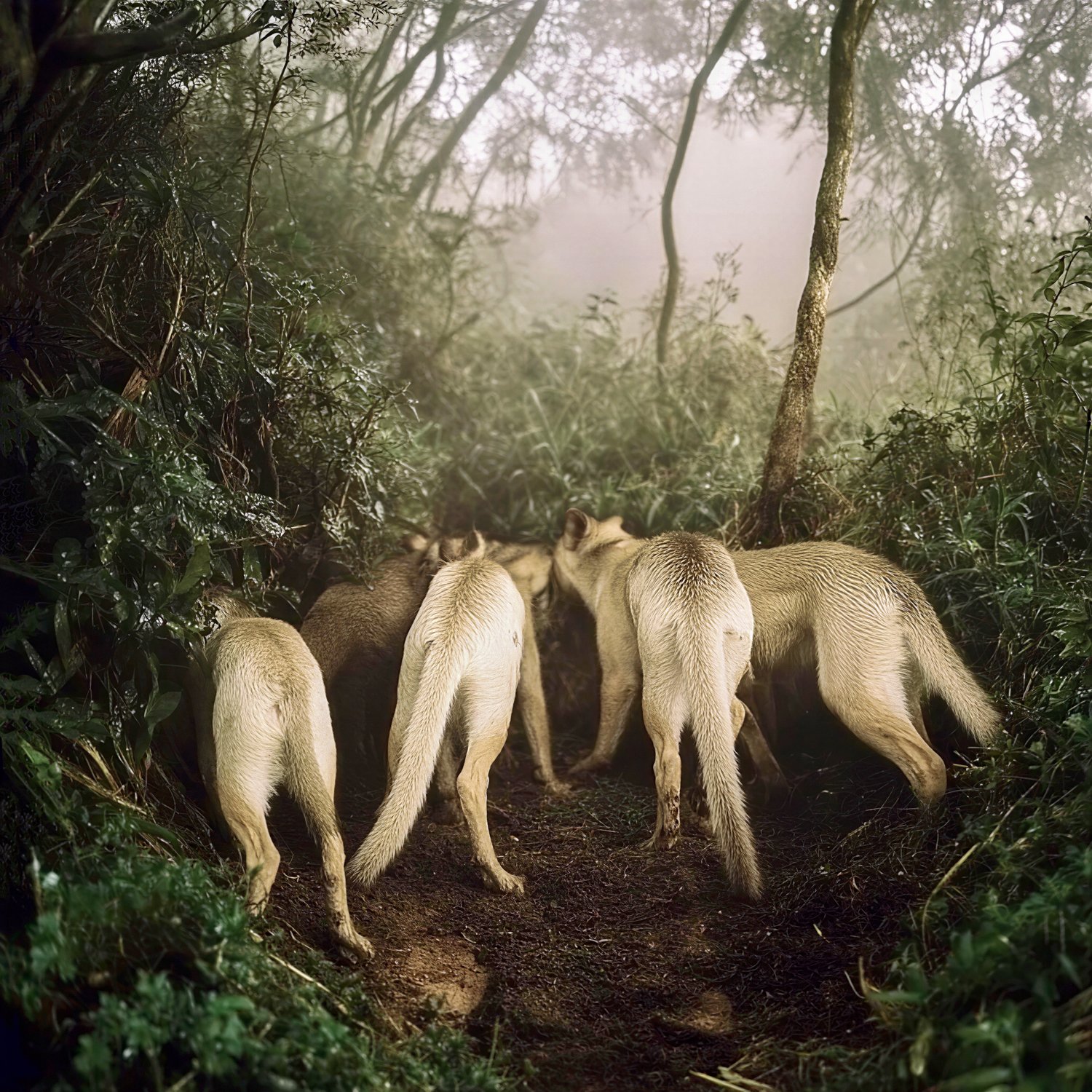
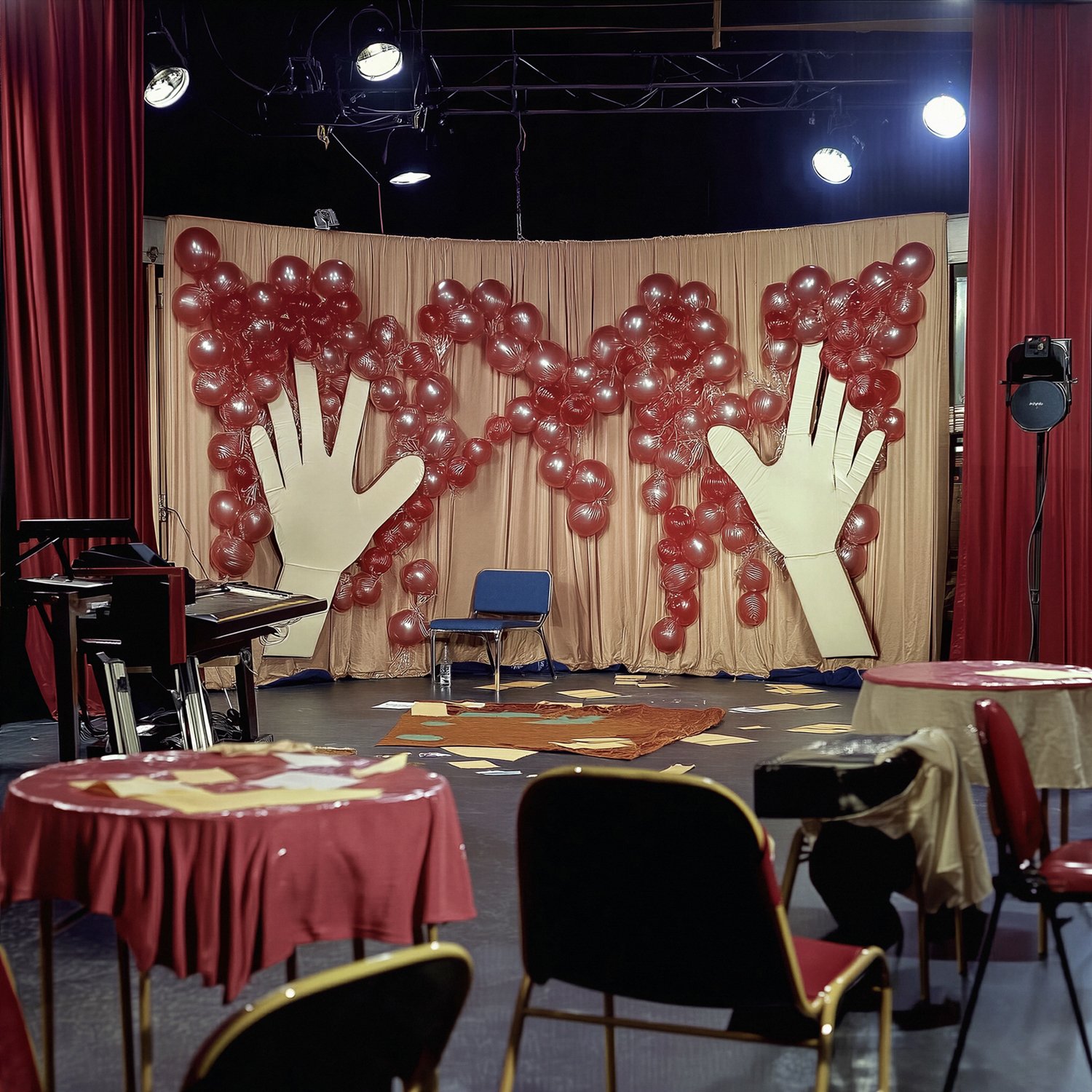
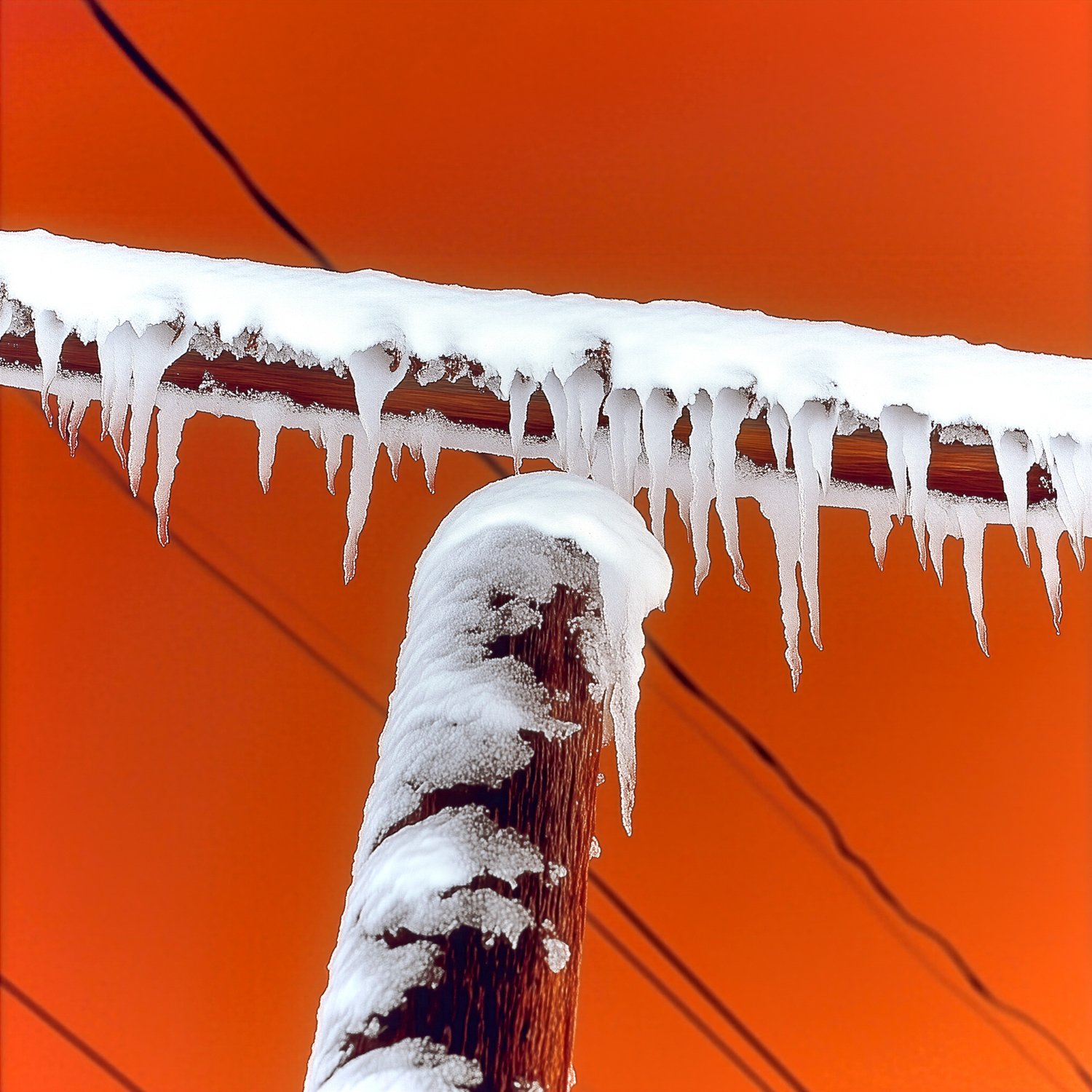
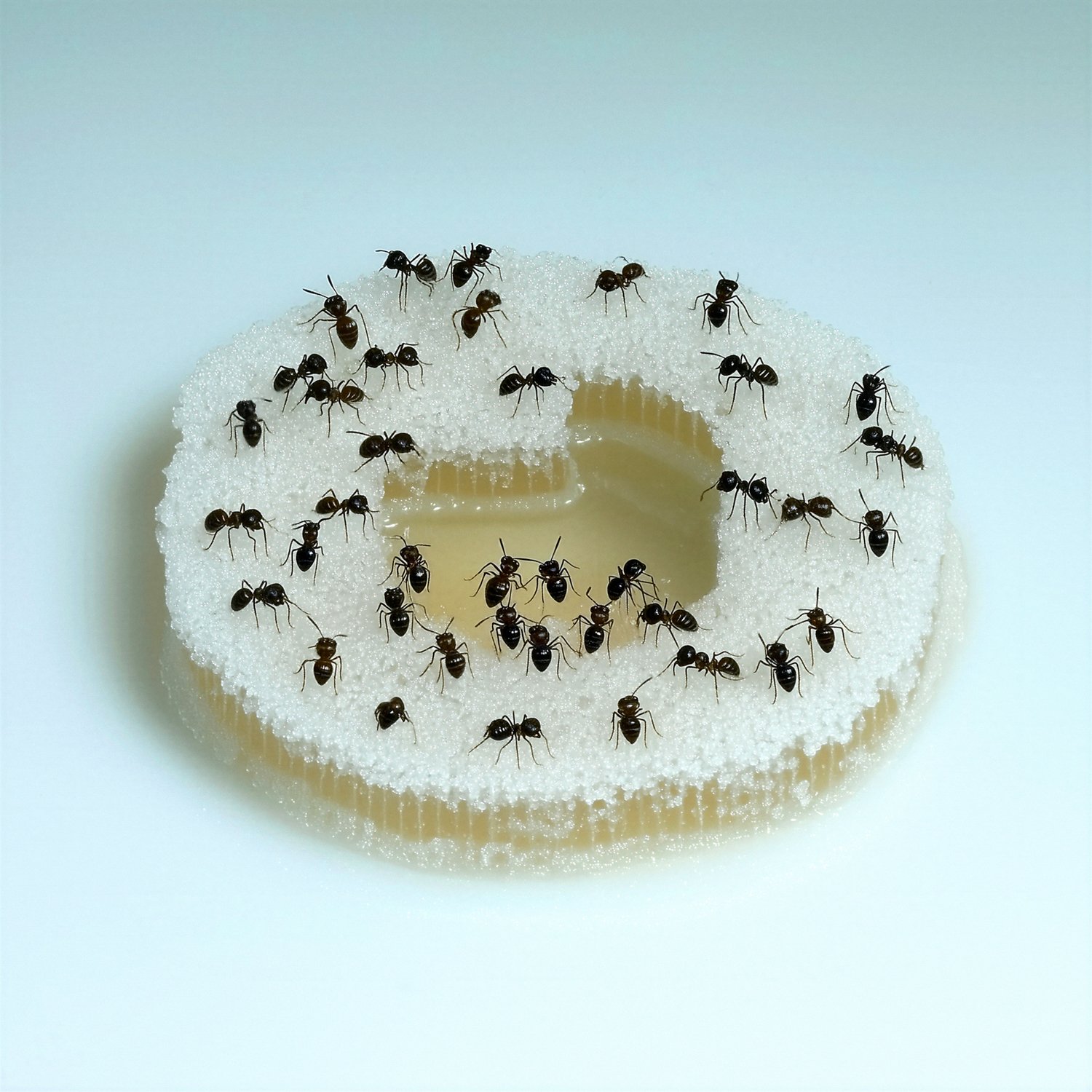
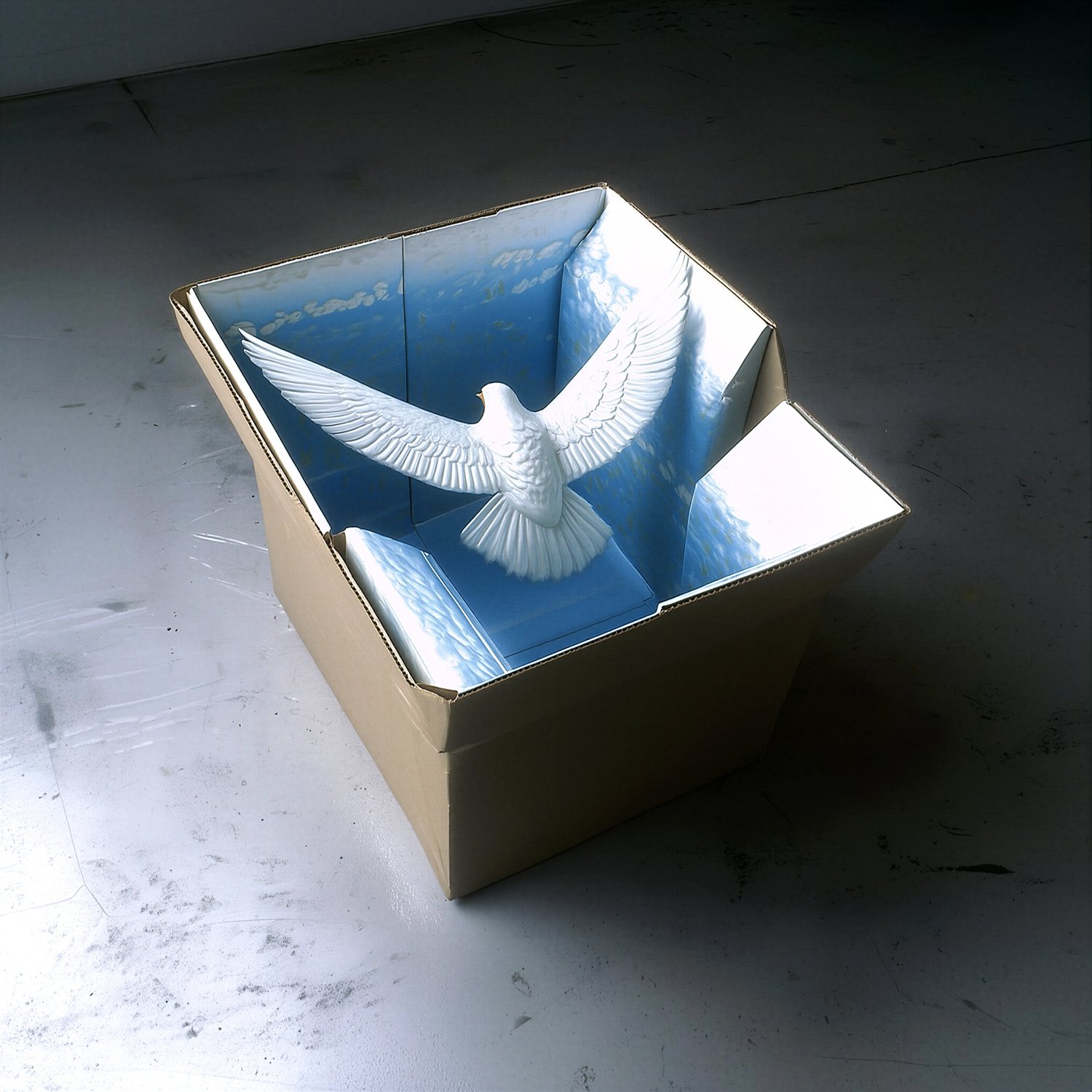
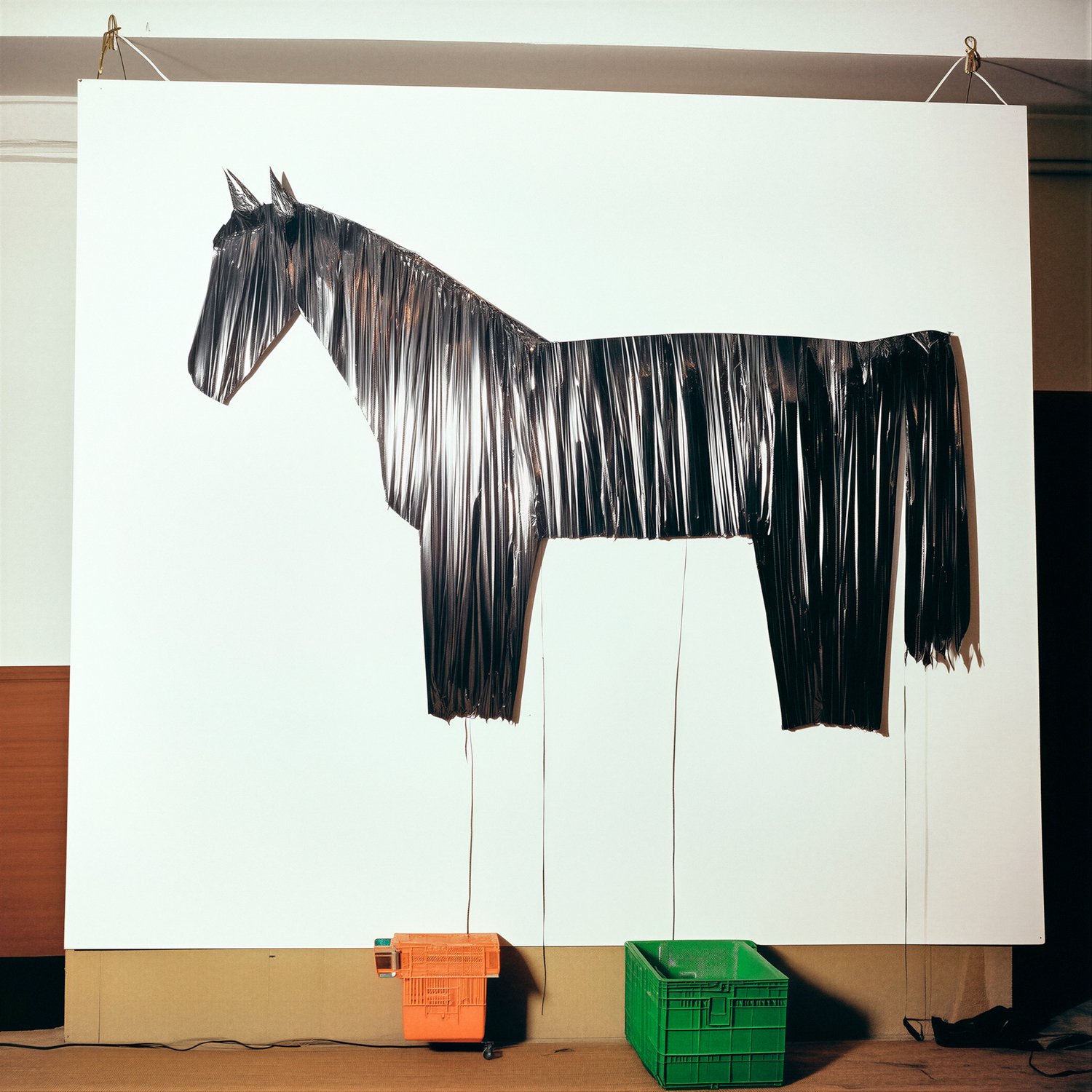
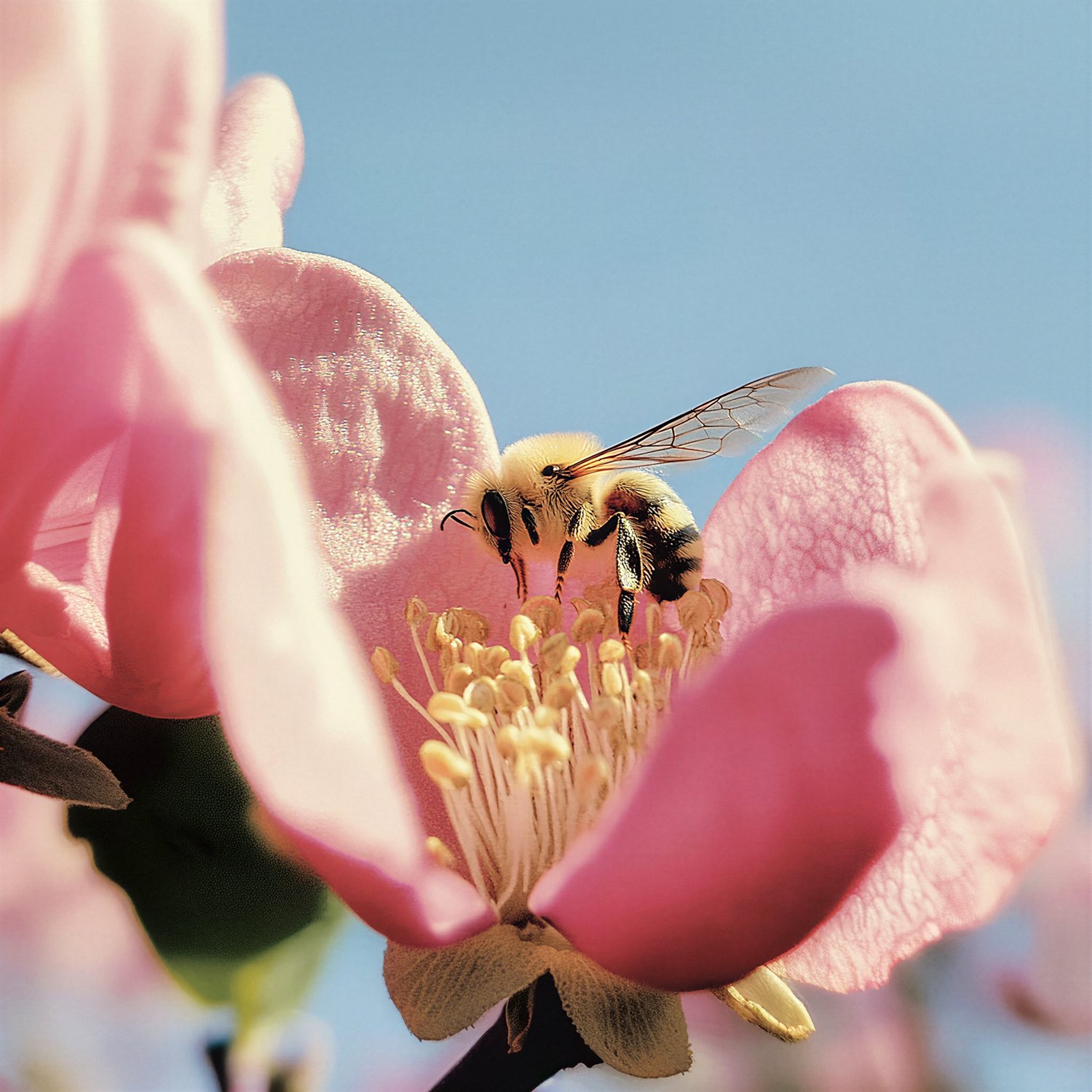
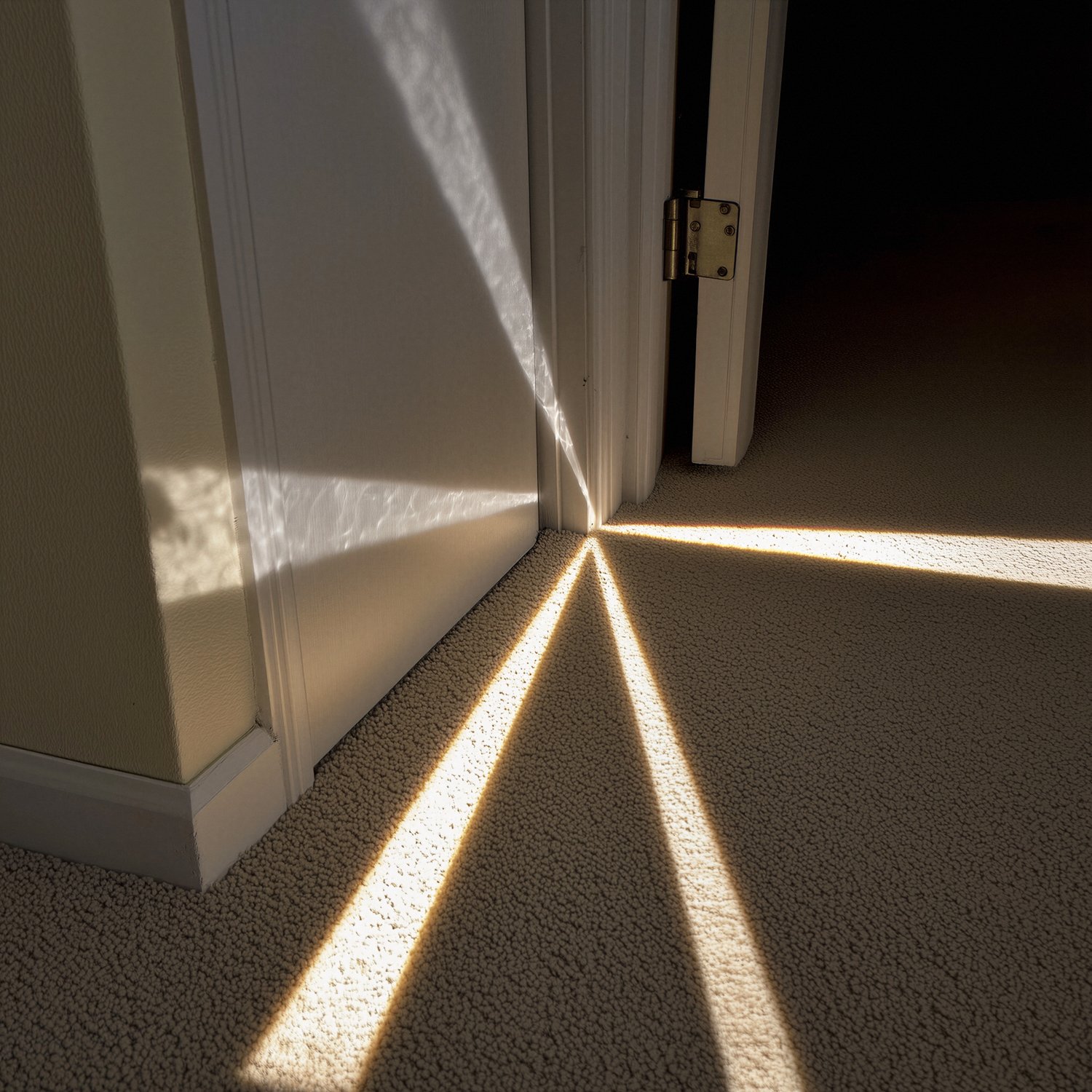
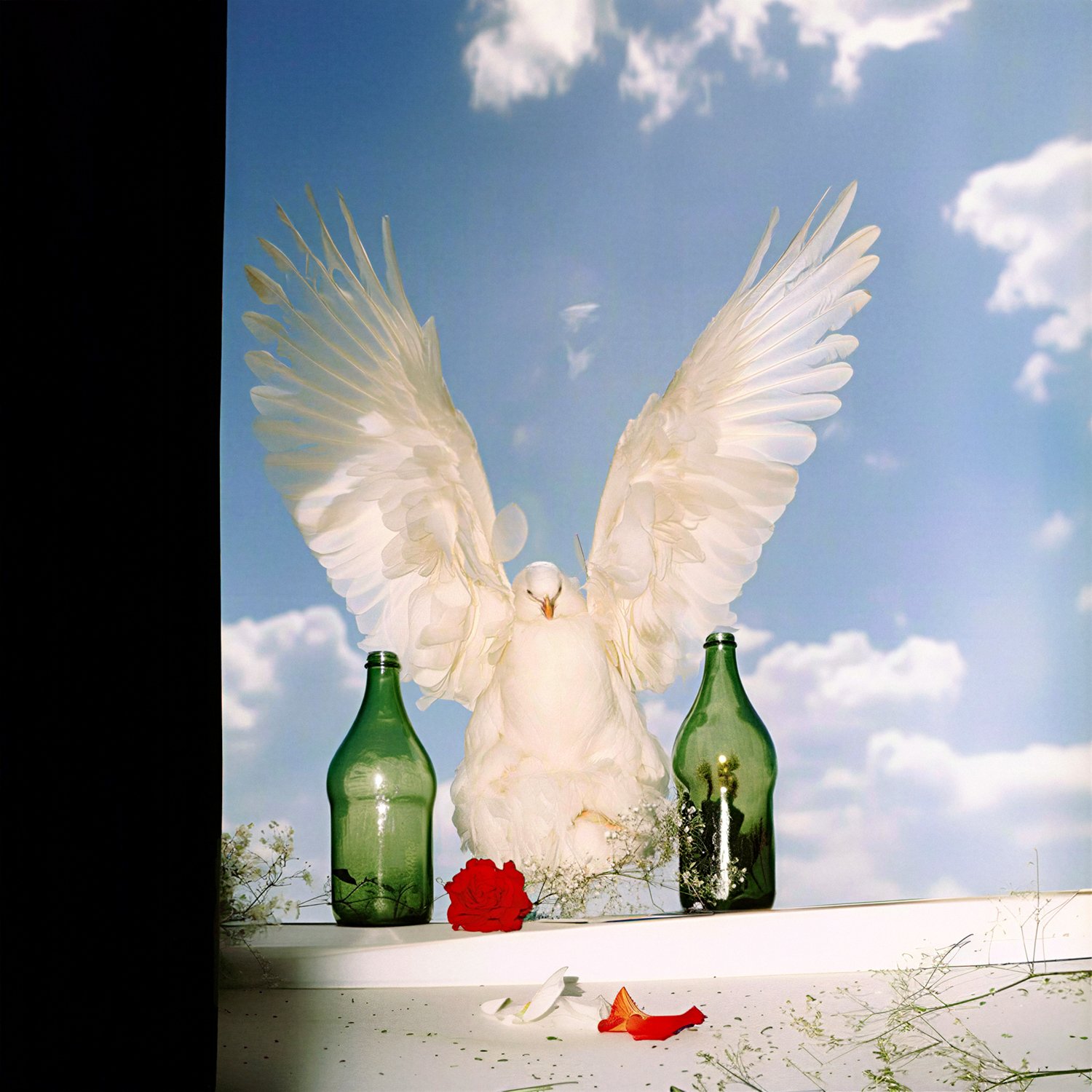
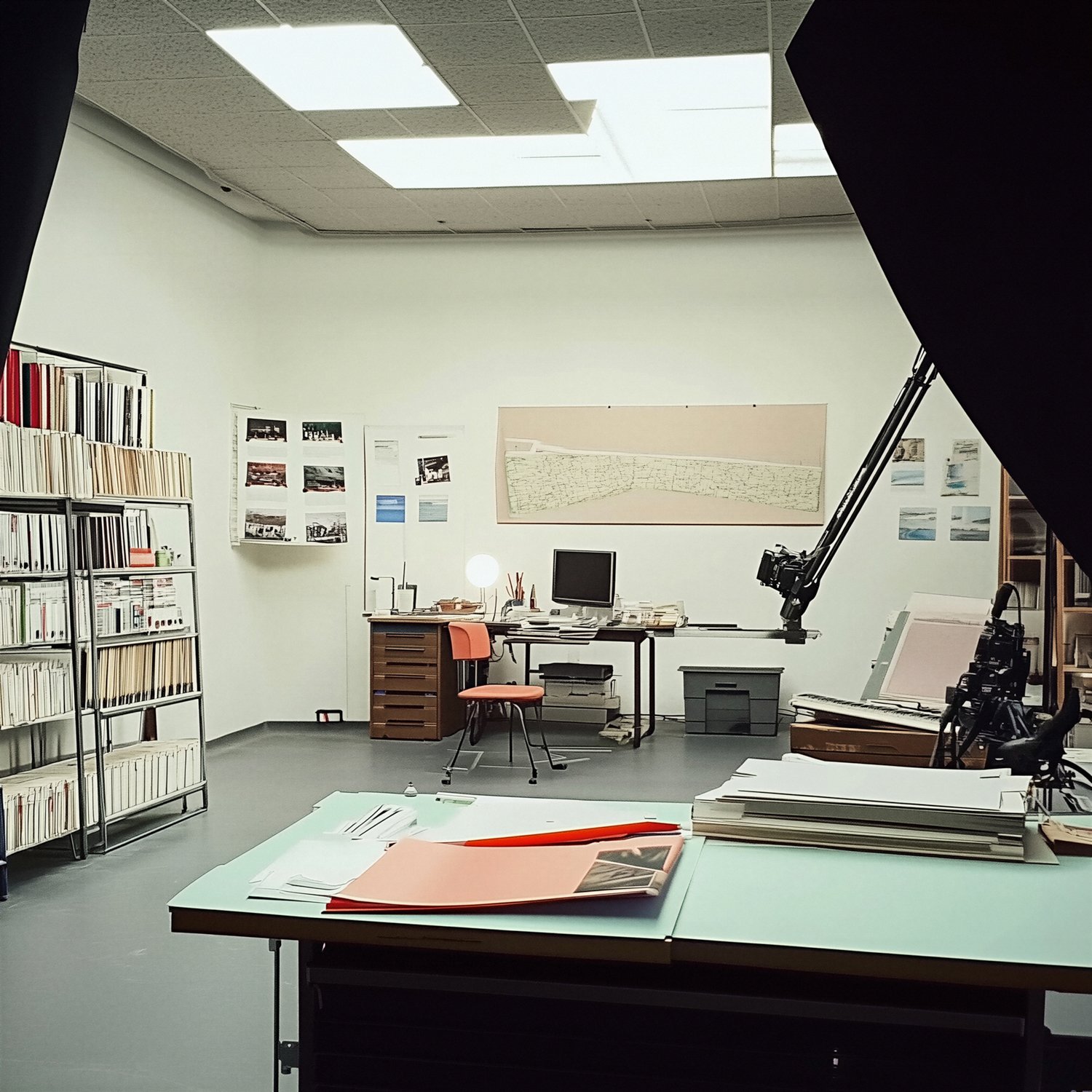
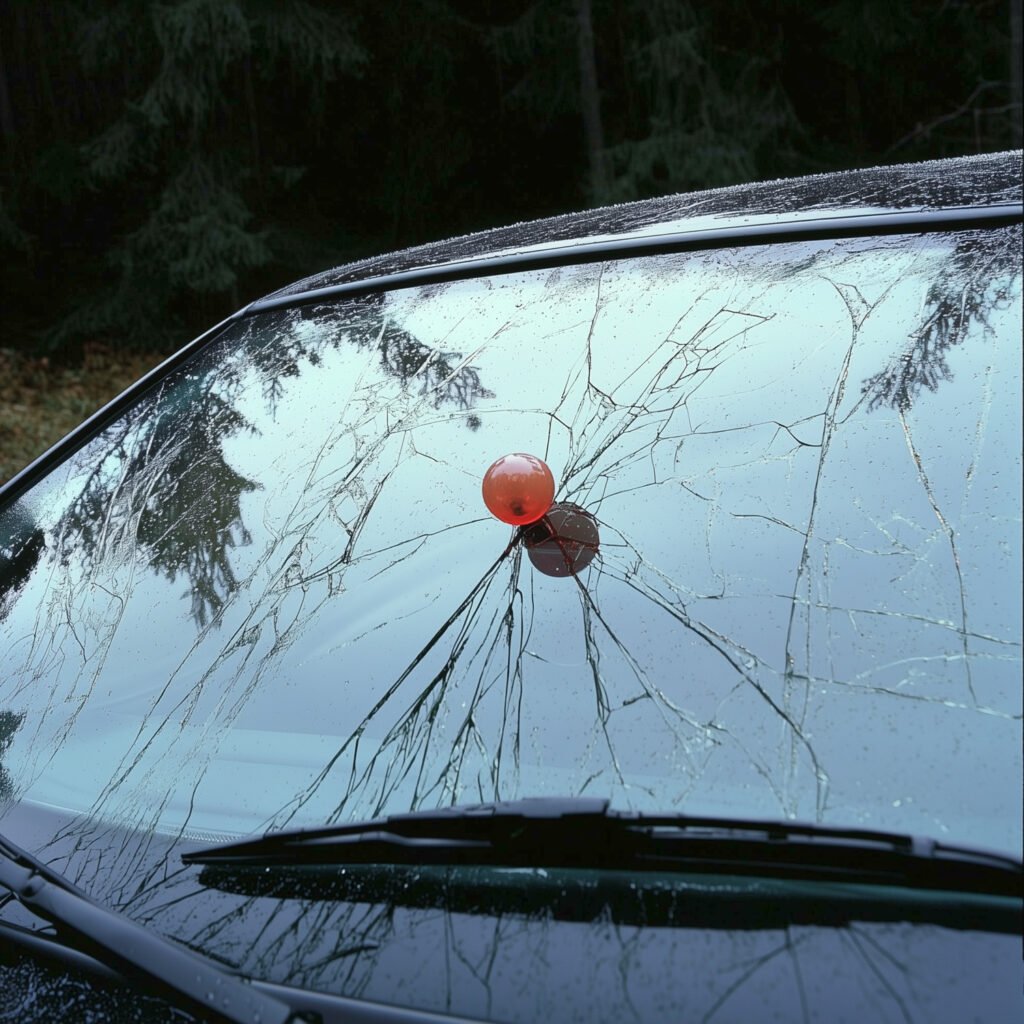
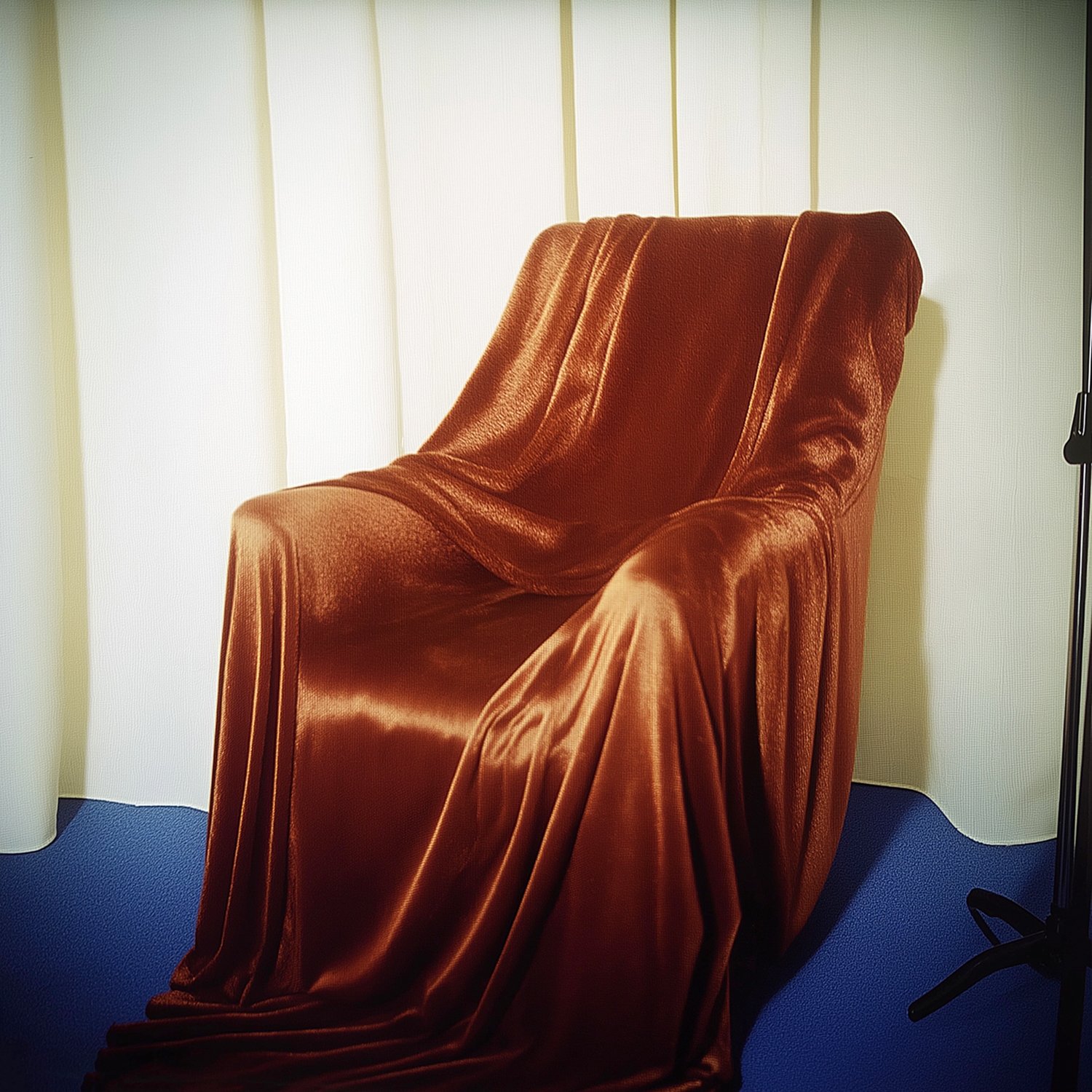
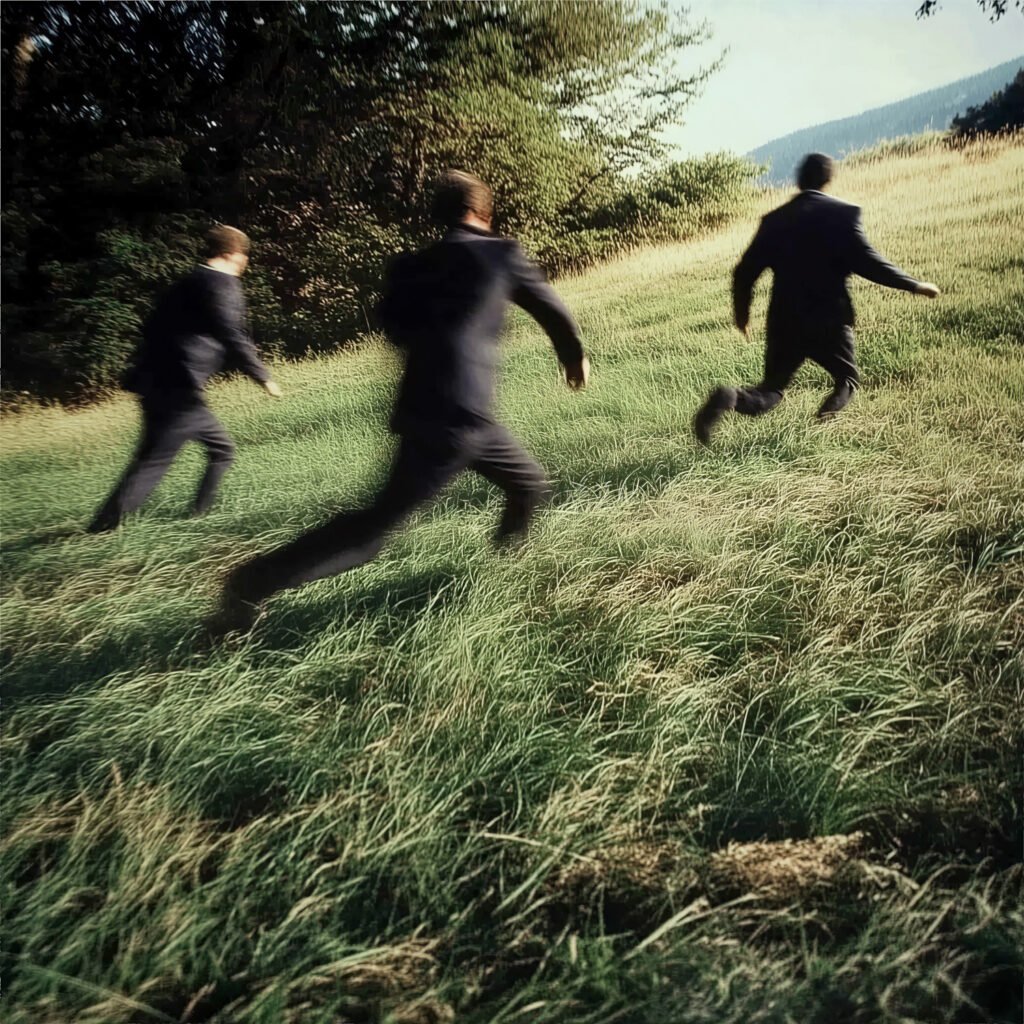
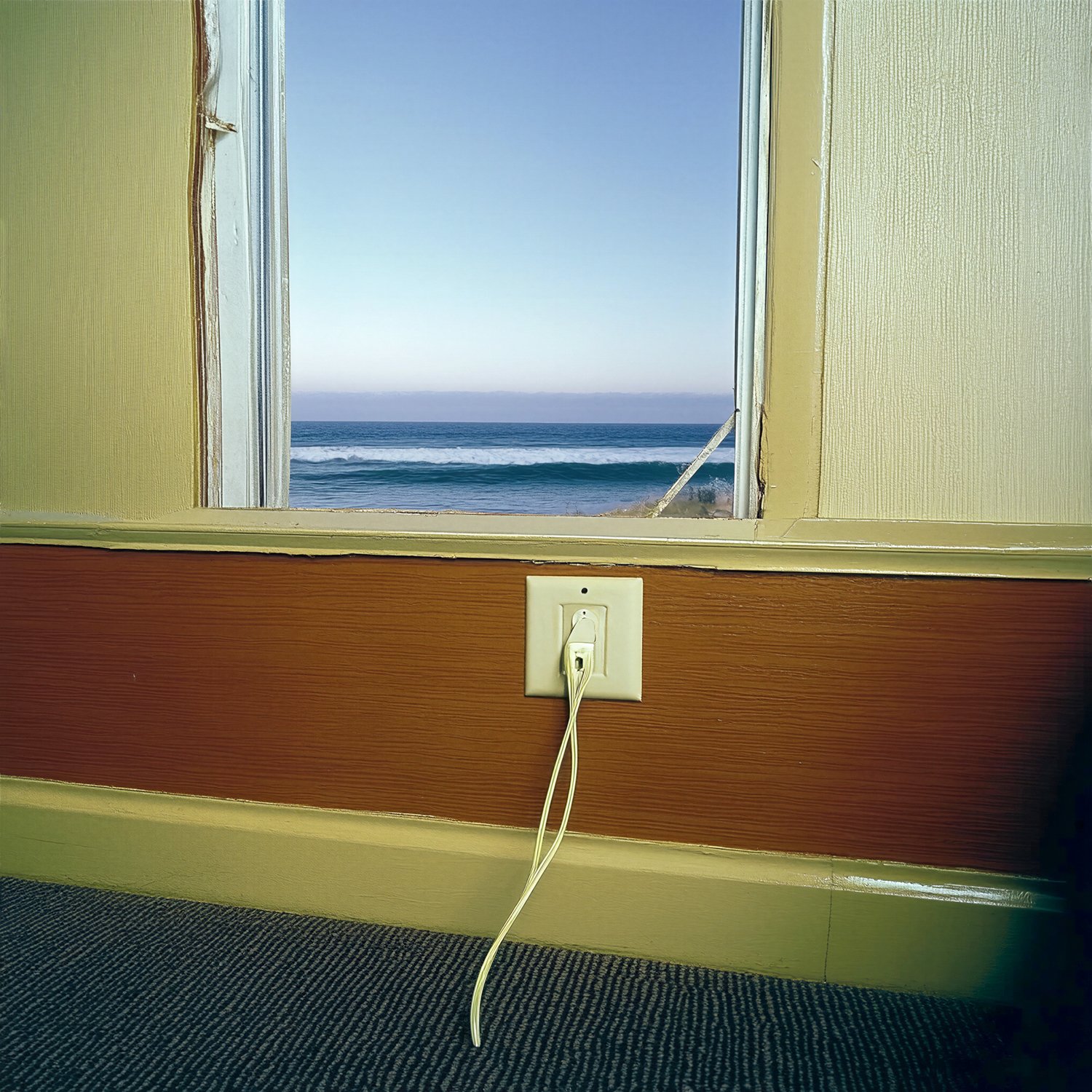
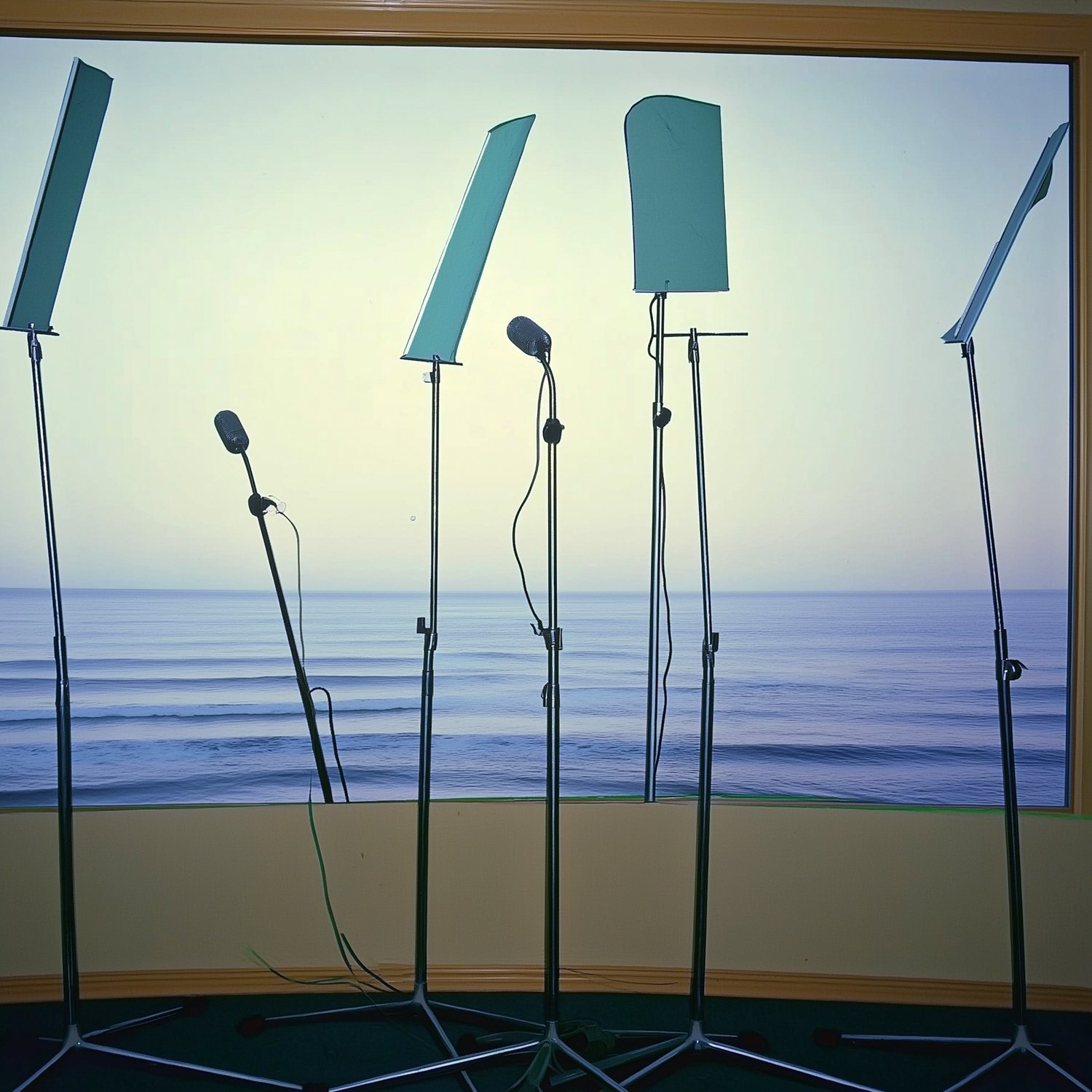
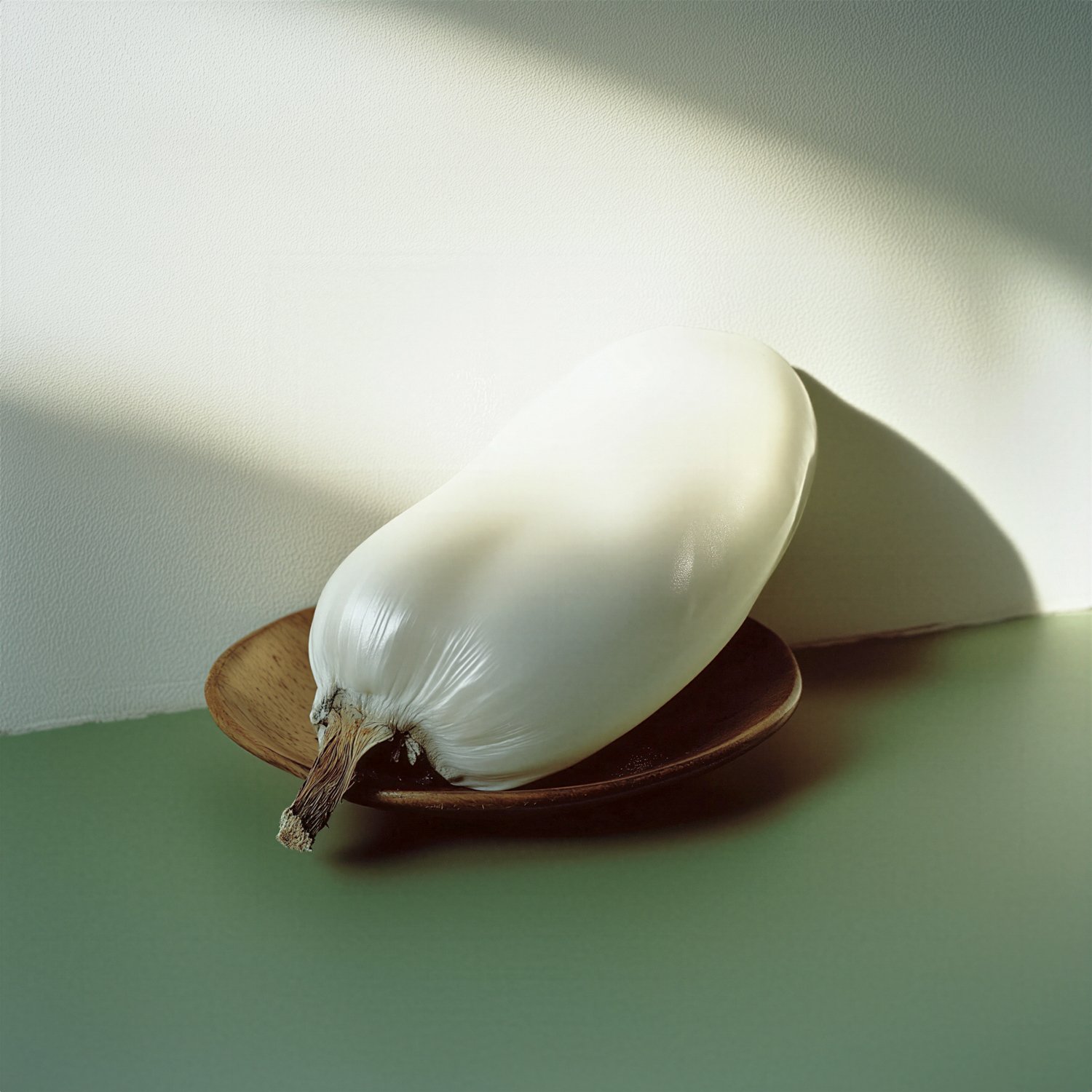
Drawing on memories, recurring dreams, and personal relationships, I created a series of images that combine my own analogue photography and sketches, blending them with artificial intelligence to explore how unconscious thoughts shape our lives. In the project, introspection becomes a dialogue between imagination, personal narrative, and new technologies. By embracing the tension between control and surrender, between artistic intention and algorithmic unpredictability, my project offers reflection on how we dream, construct meaning, and communicate through images in the age of AI.
What is real and what is not? What is entirely living in our digital imagination, and what exists in our material world? Just as in psychotherapy, these two worlds—imagination and reality—meet and deeply affect each other in the now.
Do Androids dream of electric sheep? They certainly held a mirror of our collective visual connections and our deepest visual patterns, electric sheep of our communal automatism. The project steps into this visual labyrinth of our schemas. Not just mine, but our collective 21st-century digital subconscious.
I still don’t talk that much, but now at least my mother can see those images that I was talking about.
At first glance, why does a photographer appear to betray her colleagues by turning to generative AI to create new work?
I come from photography, a medium grounded in the trace of reality, in what has been. It is from this position that I turn toward AI, not to embrace it uncritically, but to understand this new medium and the bend mirror it shows us. I believe that the most honest approach to a technology that is reshaping visual culture is not to reject it outright, from a safe distance, but to work within it, to understand it and reflect on it critically. The widespread human backlash against AI systems is understandable and genuine, but it is not as simple as saying: “I hate AI.” Which many do. Black-and-white thinking is a plain luxury in this sense; I believe the grey area is where new critical work can arise.
I work with my own analogue photo archive as a dataset, feeding personal images into a system built on vast, uneven collections of visual culture. I don’t use text prompts, I only feed the machine images, and the system blends these images together. We negotiate in the only language I have ever known, images instead of words.
In this encounter, something resists. I try to guide the image toward my own visual language, while the algorithm insists on its own. What emerges is not control, but negotiation. Negotiation between artistic intent and algorithmic bias. When a generative model produces an image, it is holding up a mirror to our collective visual unconscious, showing us what we have always looked at and what we have always found appealing. It is showing us how an image should look like. Patterns we have repeated so many times that they have become invisible to us.
I use AI as a mirror, one that reflects back a digital unconscious, shaped by repetition, bias, and collective memory. My work lingers within the tension between what I can imagine and what the system allows to be imagined. What emerges is not fully mine nor fully the machines, it is in the intersection of personal memory and collective visual memory.
The title for the series comes from the American wedding tradition: for the marriage to flourish the bride must carry something old, something new, something borrowed and something blue. The title works on several layers, and I will not pretend there is a single correct one.
The most obvious reading is personal. Moving from analog photography into generative AI as a working medium feels, in its own way, like entering a new relationship. Something new: the machine, the process, the collaboration. Something borrowed: the vast training data that was used to make these systems work in the first place. Something old: my unpublished archive that I used to feed the machine. Something blue. Which we might associate with the term: feeling blue. The sadness that sits underneath the project, the melancholy of patterns we cannot quite escape, no matter how clearly we see them. The blue is the part I leave to the viewer.
The second reading is technical. Generative AI makes something new from something borrowed and something old: from the archive, from the training data, from the accumulated visual memory of everything that came before. This is not a metaphor. It is the literal description of how a diffusion model works: starting from noise, reaching into the compressed past, producing something that has never existed yet carries the weight of everything that fed it. The wedding rhyme turns out to be a surprisingly precise description of latent space (=the “brain” of AI).
Kata Geibl (1989, Budapest) is a photographer currently living and working in Budapest. Coming from a background in Liberal Arts has informed the way she creates her projects. Drawing concepts from Philosophy and Cultural Studies, Geibl steps in with metaphorical images to fill in the gaps where words fall short.
Geibl’s long-standing interest in photography’s ambiguity—how we are trained to treat photographs as evidence while also approaching them with intense suspicion—is palpable throughout her practice. Harnessing this tension, she presents us with the implications of a very real phenomenon without adhering to straight documentary methods that habitually signal truth. Instead, she mixes genres to produce her visual universe—a commentary on our relationship to photography as much as the implications of capitalism.
Geibl after finishing her Bachelor’s degree in Photography from the Moholy-Nagy University of Art and Design (Budapest), continued her studies at KABK (The Hague) in the Photography and Society Masters Program. She is currently enrolled in the PhD program at MOME where she is also a lecturer. She teaches in the BA program creative photography and in the MA a course about photobook-making.
She exhibited her work internationally, to name a few at the UNSEEN Amsterdam, FOAM Amsterdam, Art Encounters Biennale (Timisoara), Images Gibellina, 212 Photography Istanbul, The Rencontres d’Arles, Athens Photo Festival, and others.
She was part of the FOAM Talent selection in 2022, received the emerging talent Paris Photo Carte Blanche Award and József Pécsi Photography Scholarship, was a Grand Prix Finalist at Fotofestiwal Lodz and a talent for Futures Platform, won the PHmuseum Vogue Italia Prize and was shortlisted for the Palm* Photo Prize. In 2025 she received Honorable Mention at Grand Prix Images Vevey.
We use cookies to make your experience better. Check out our Privacy & Terms for more info... AcceptCookie settings
Privacy & Cookies
Privacy Overview
This website uses cookies to improve your experience while you navigate through the website. Out of these cookies, the cookies that are categorized as necessary are stored on your browser as they are essential for the working of basic functionalities of the website. We also use third-party cookies that help us analyze and understand how you use this website. These cookies will be stored in your browser only with your consent. You also have the option to opt-out of these cookies. But opting out of some of these cookies may have an effect on your browsing experience.
Necessary cookies are absolutely essential for the website to function properly. This category only includes cookies that ensures basic functionalities and security features of the website. These cookies do not store any personal information.
Any cookies that may not be particularly necessary for the website to function and is used specifically to collect user personal data via analytics, ads, other embedded contents are termed as non-necessary cookies. It is mandatory to procure user consent prior to running these cookies on your website.