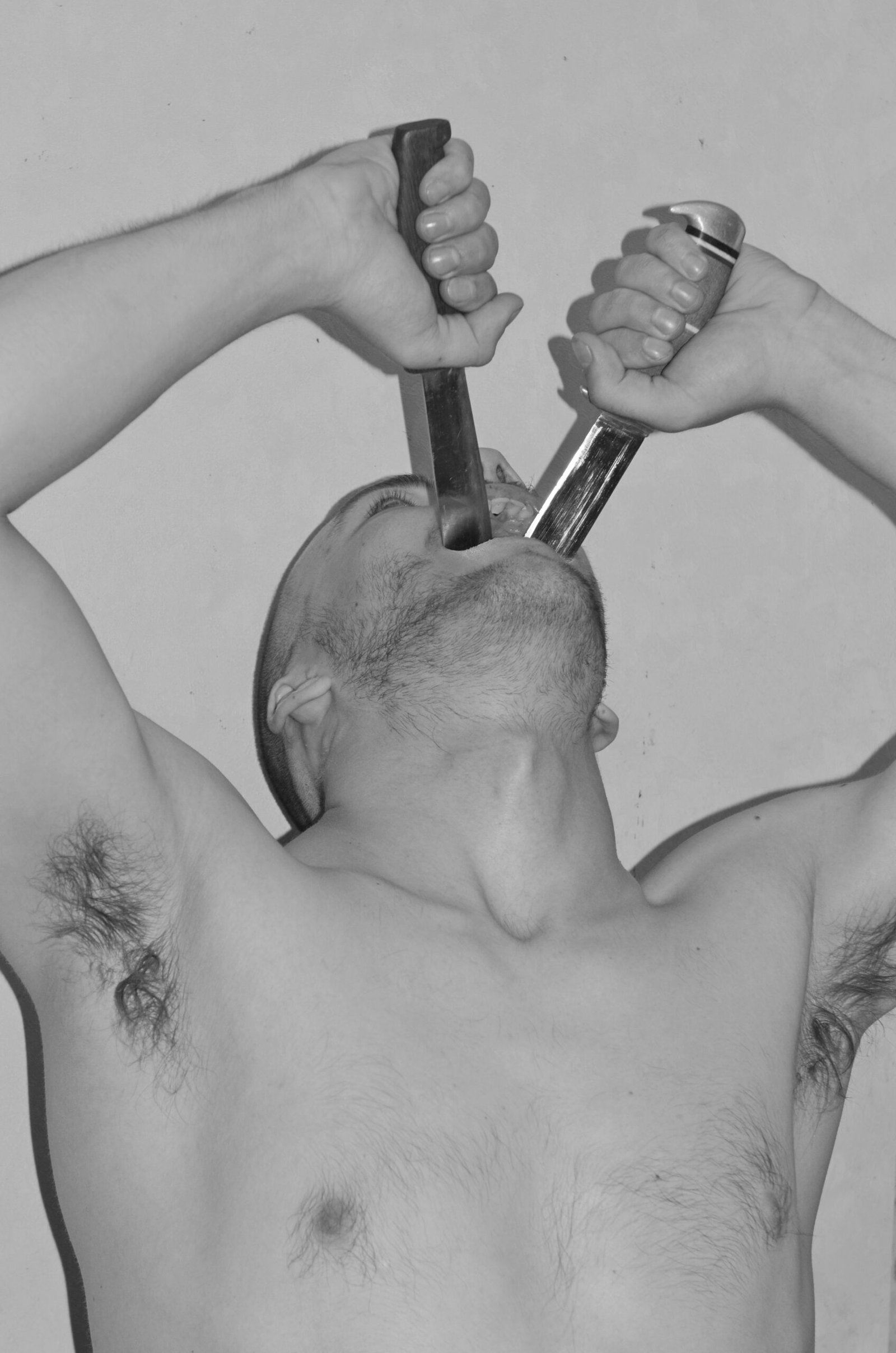
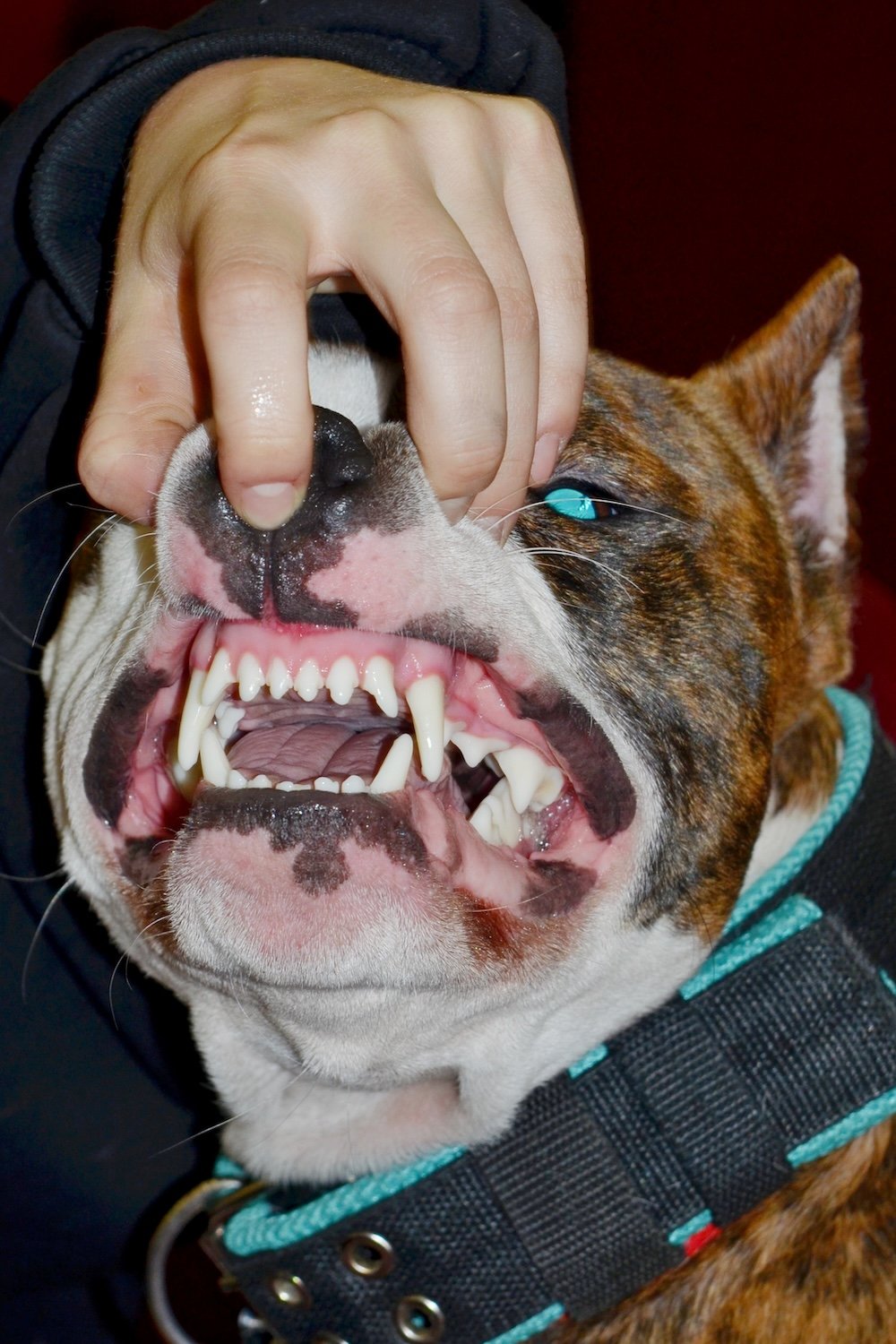
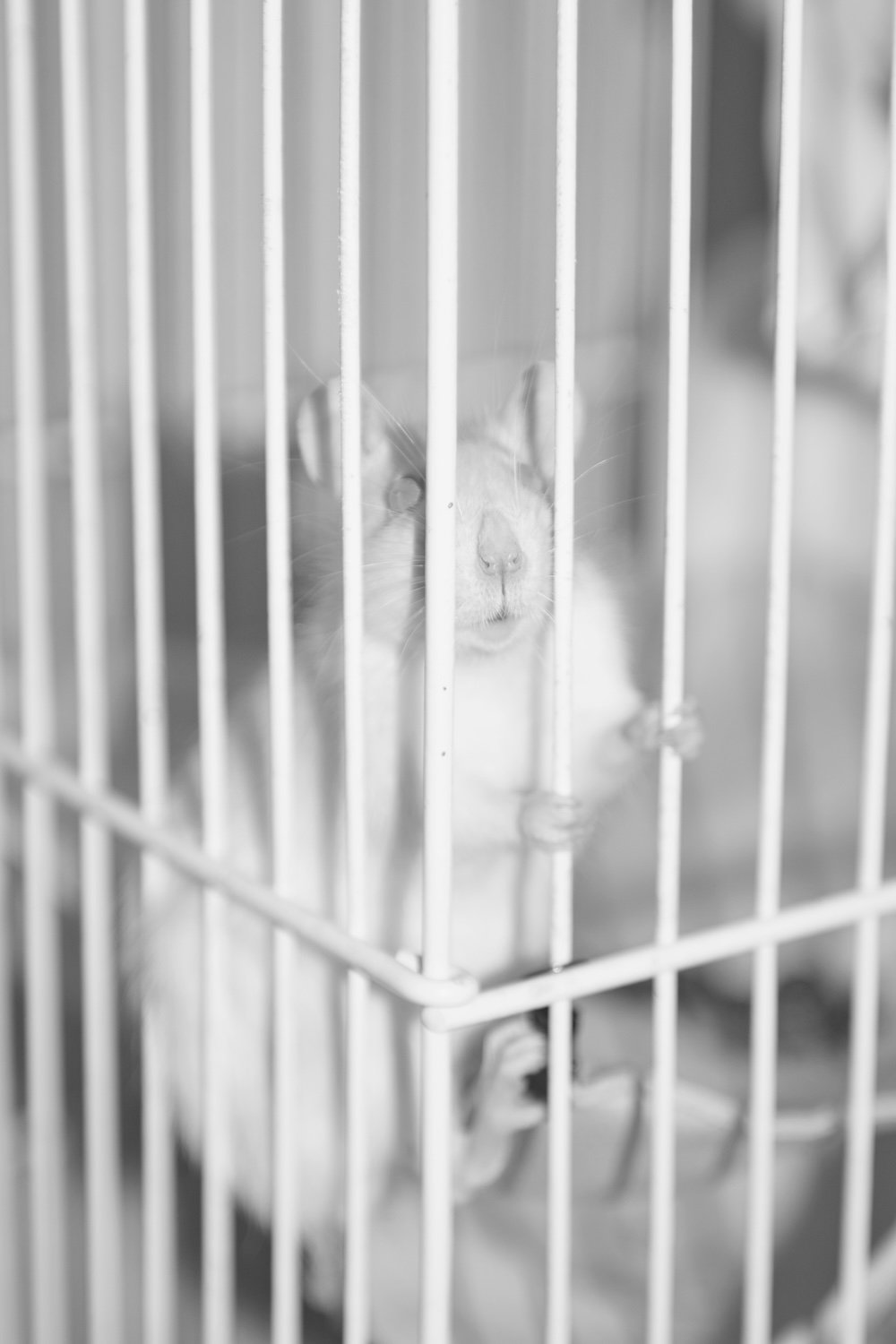
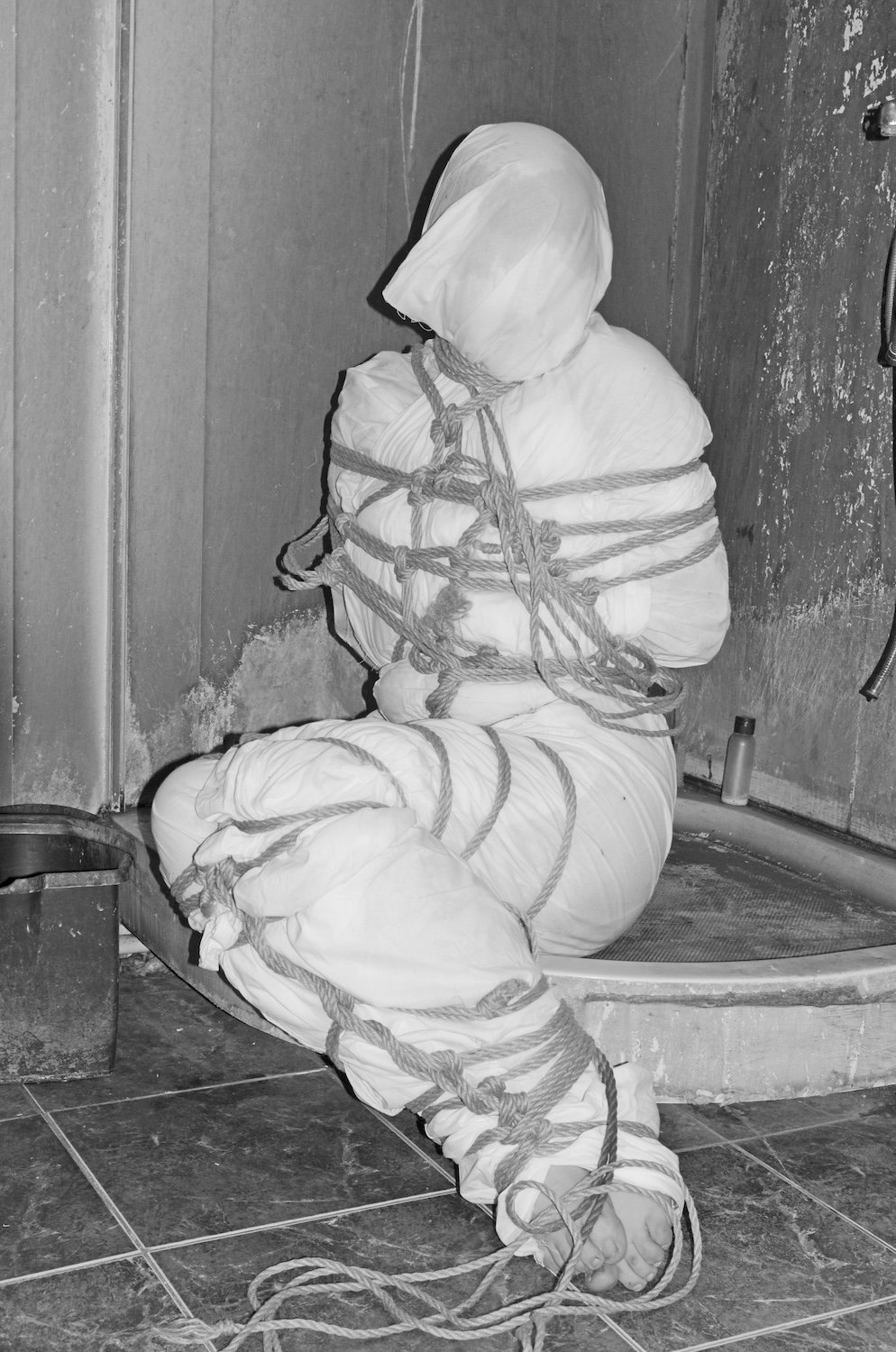
It’s a study of animalistic state through the idea of a cage.
The literal and metaphorical image of the cell became woven into my life: in June 2024 I was placed in a detention facility. I spent 2 months there, and later I spent 4 months on house arrest. At present I qualify as a political prisoner. I find it important to see how the bars and grates at the cell’s window I was standing at take on different forms – they surpass the cage itself, taking on forms of violence and power around us, that are erected by others and by ourselves.
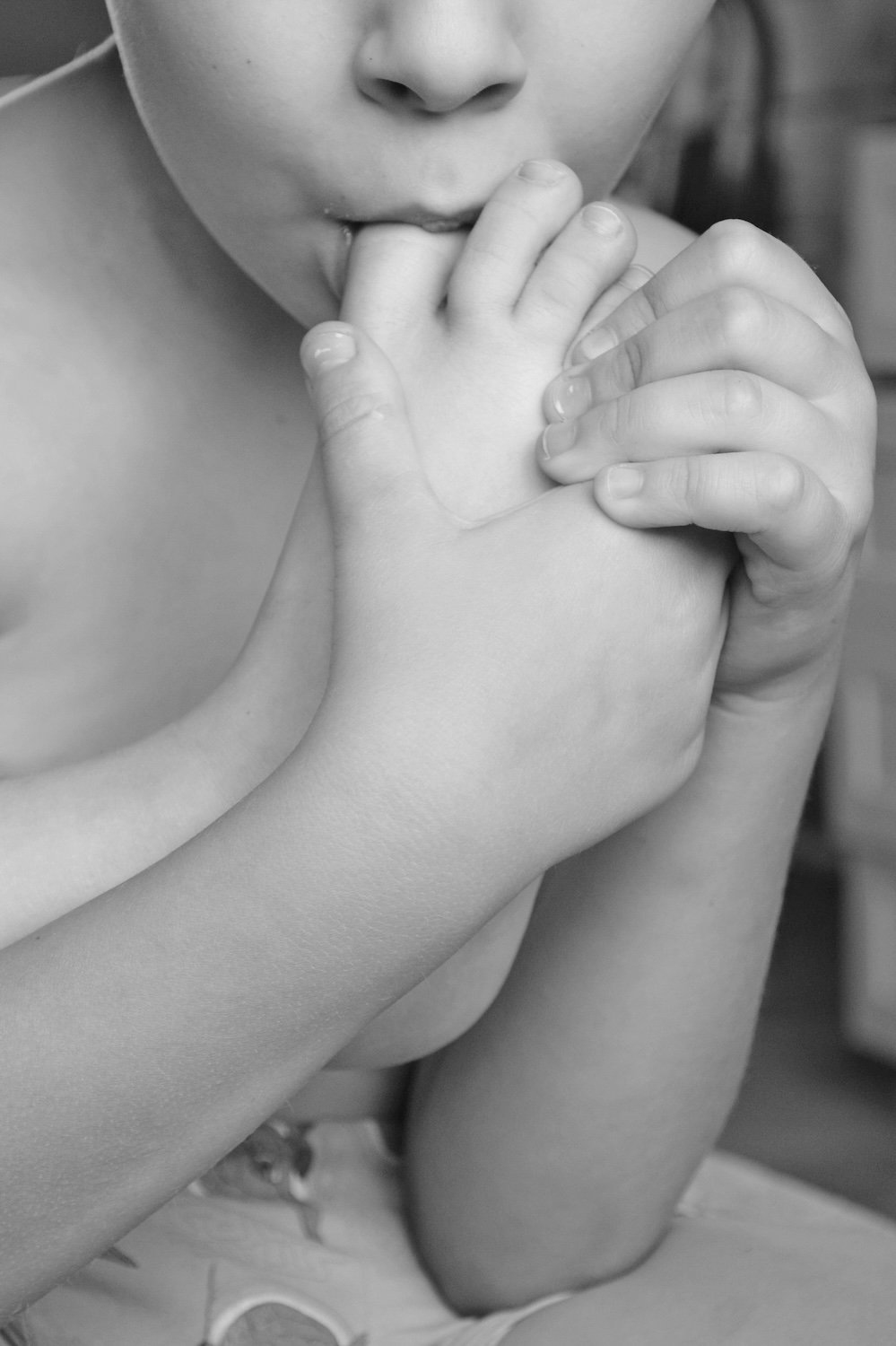
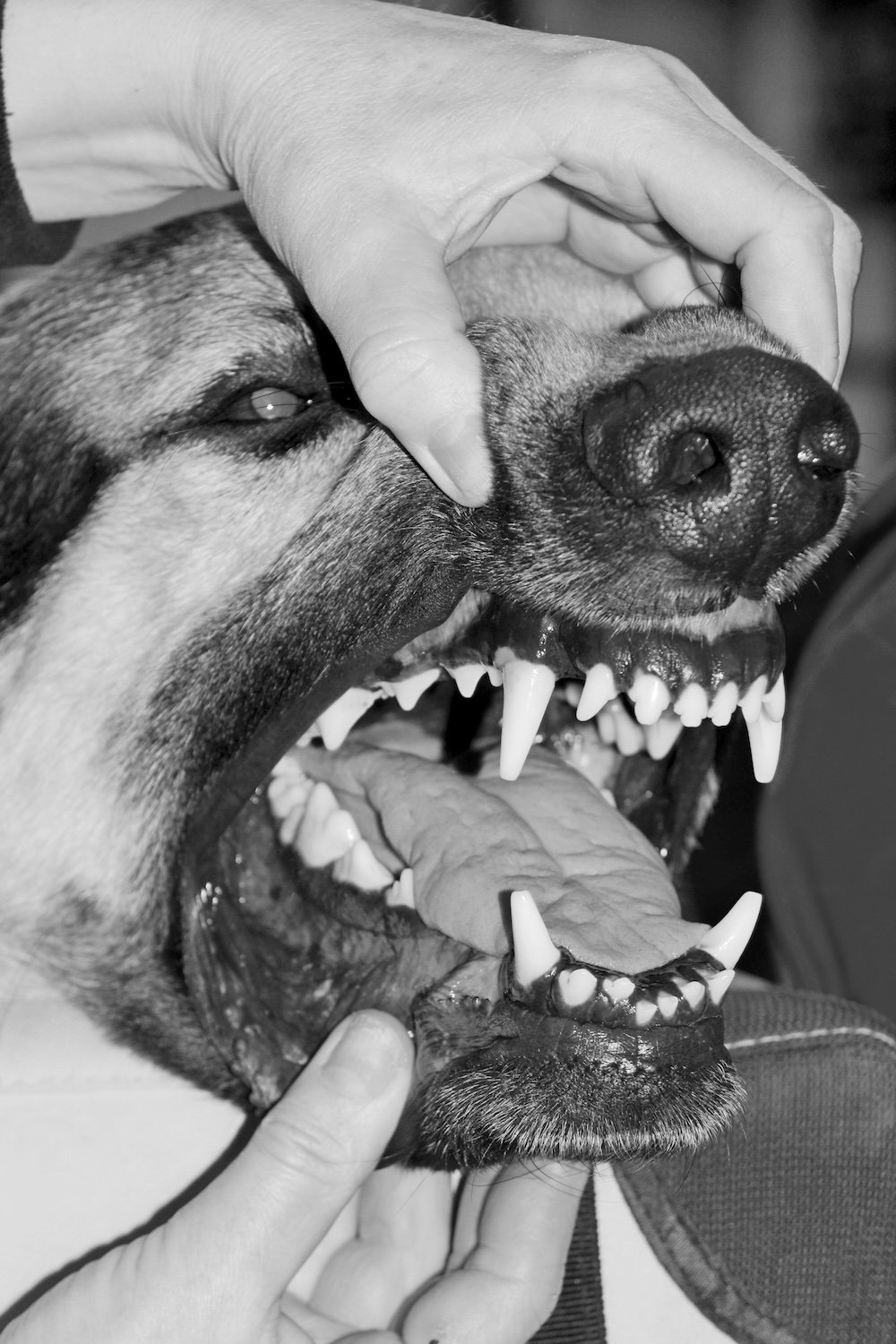
As I felt myself an animal trapped in a cage, I became interested in the phenomenon of a domesticated animal that could fall in love with his cage. Similar to a smiling labrador waiting for a bowl of his favorite food, the cage can become an understandable symbol of stability. It resonates with my childhood since dogs were my first friends. My mother gave her breast milk to the bullterrier who became my milk brother. Slightly older, at the age of 5-9 I liked to sit in a dog cage, perceiving it as my own house.
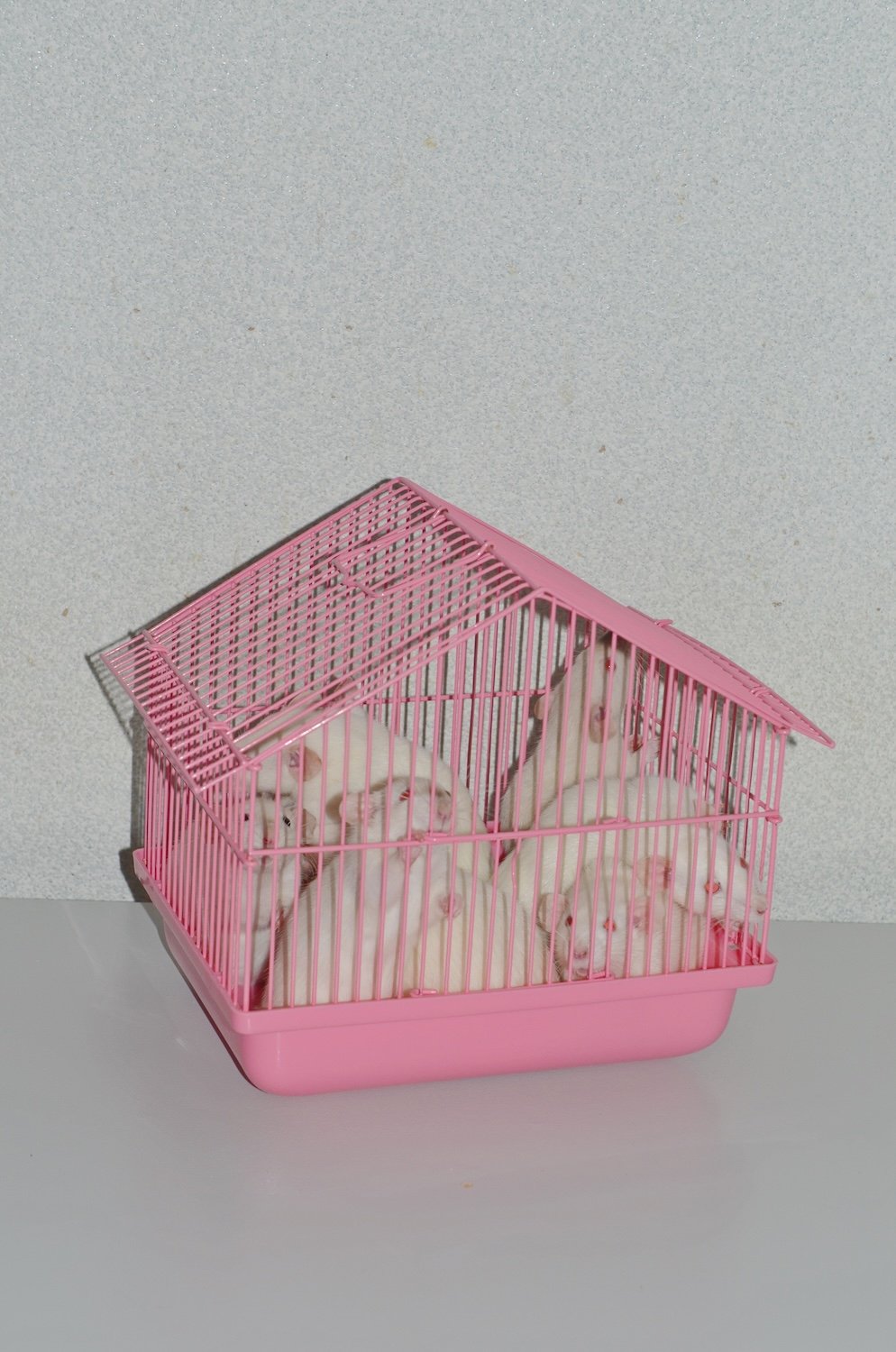
The cell goes beyond the instrument of physical constraint and spreads everywhere, like Foucault’s idea of power. In this project, I want to focus on different types of cells as a tool of confinement:
- a dog cage, which is so comfortable to sit in when you’re still a kid,
- a trap for wild beasts, waiting for the scared victim to show up,
- a rodent wheel (in the form of a sphere) that limits perception – you see the world around you, but you cannot feel it,
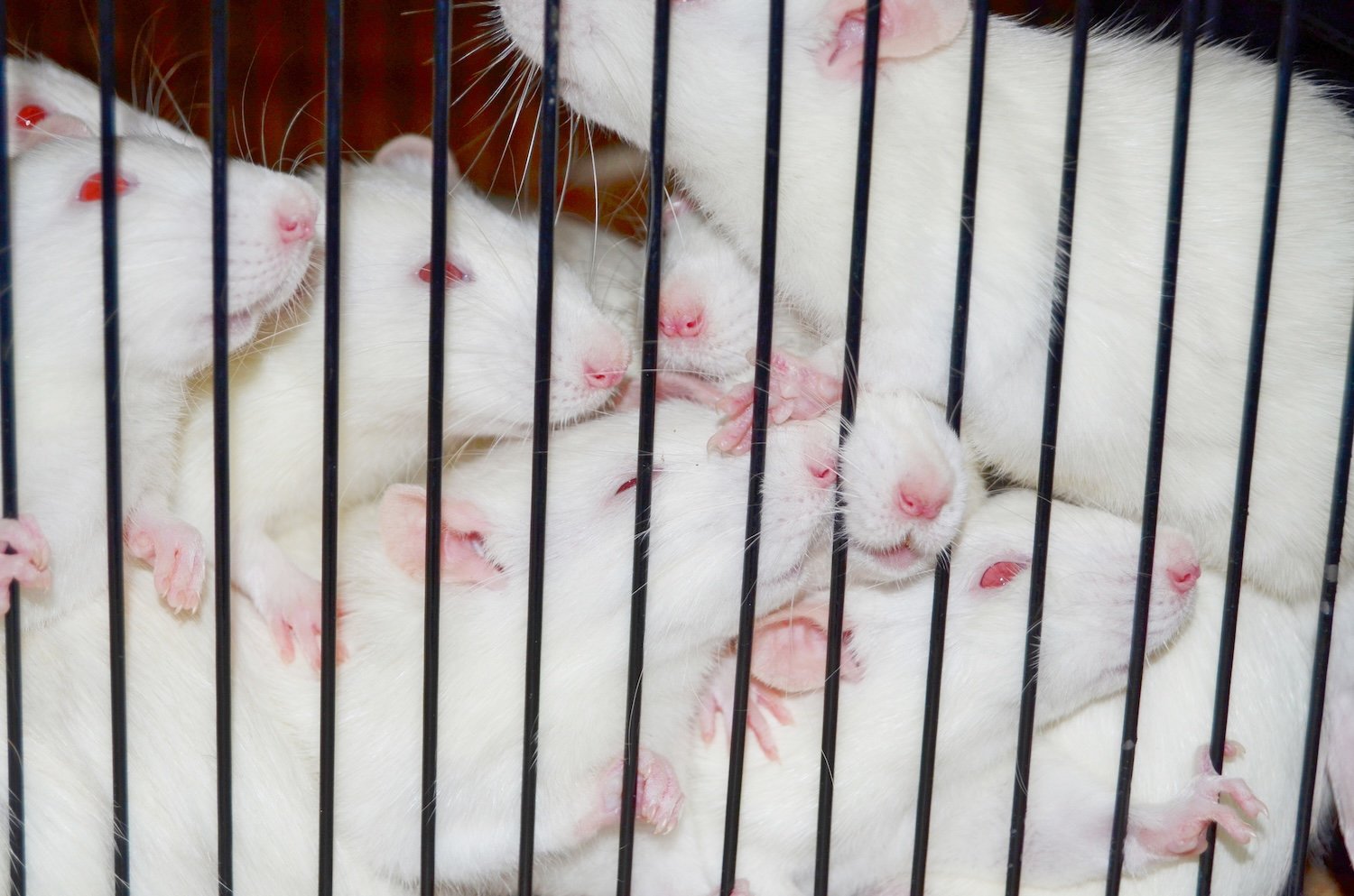
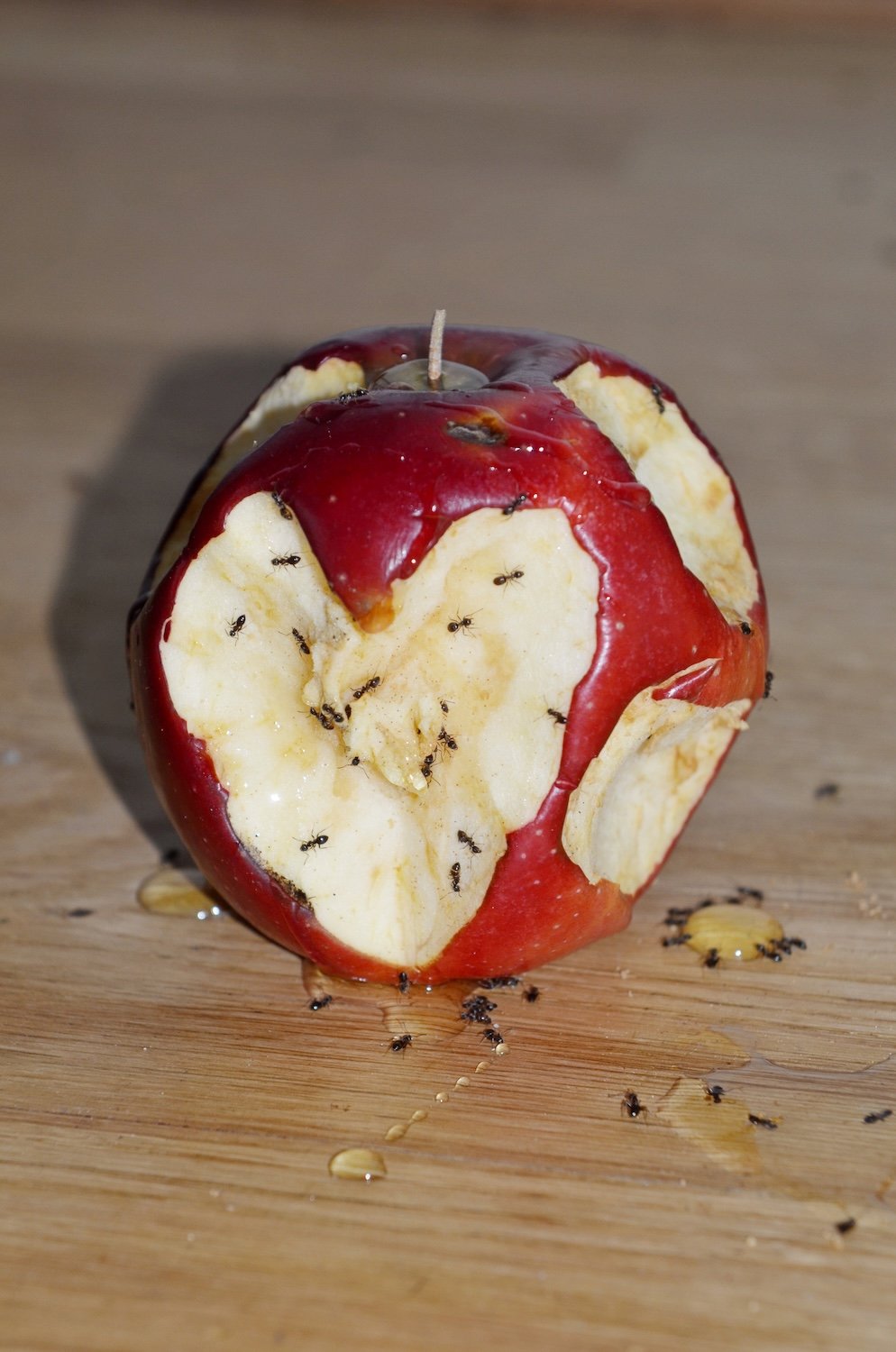
- carefully hidden traps for pests (rodents, insects) in which we fall again and again,
- exquisite cupola-like cages for birds, where the elegant form distracts us from the horrors of captivity,
- transparent gel ant farms with tunnels, offering the illusion of freedom while remaining open for observation.
There is a certain form of cell for each species.
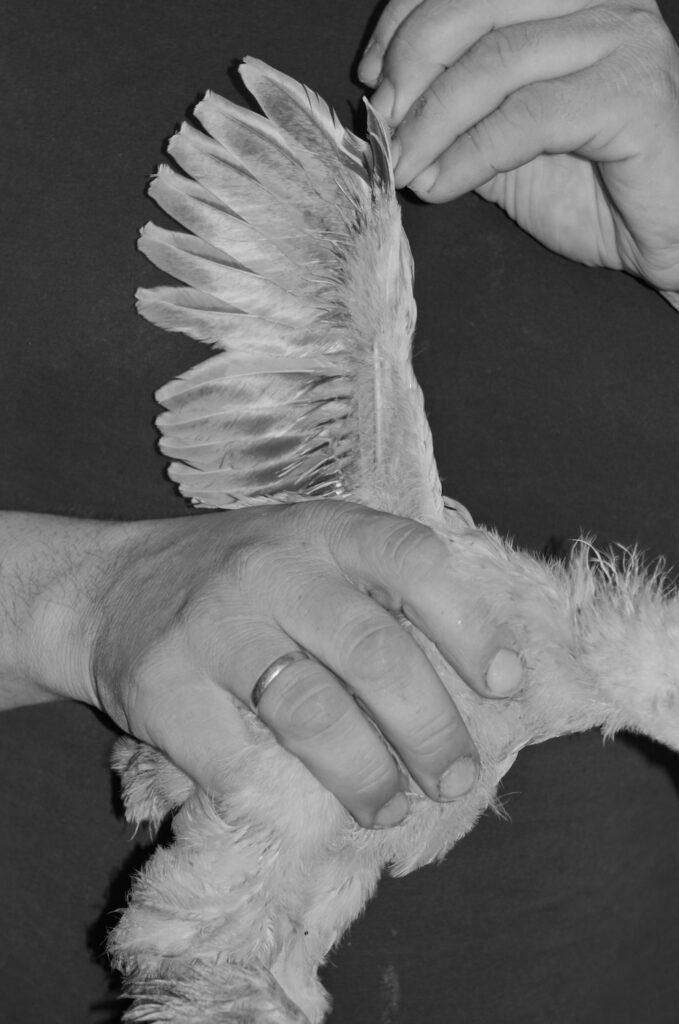
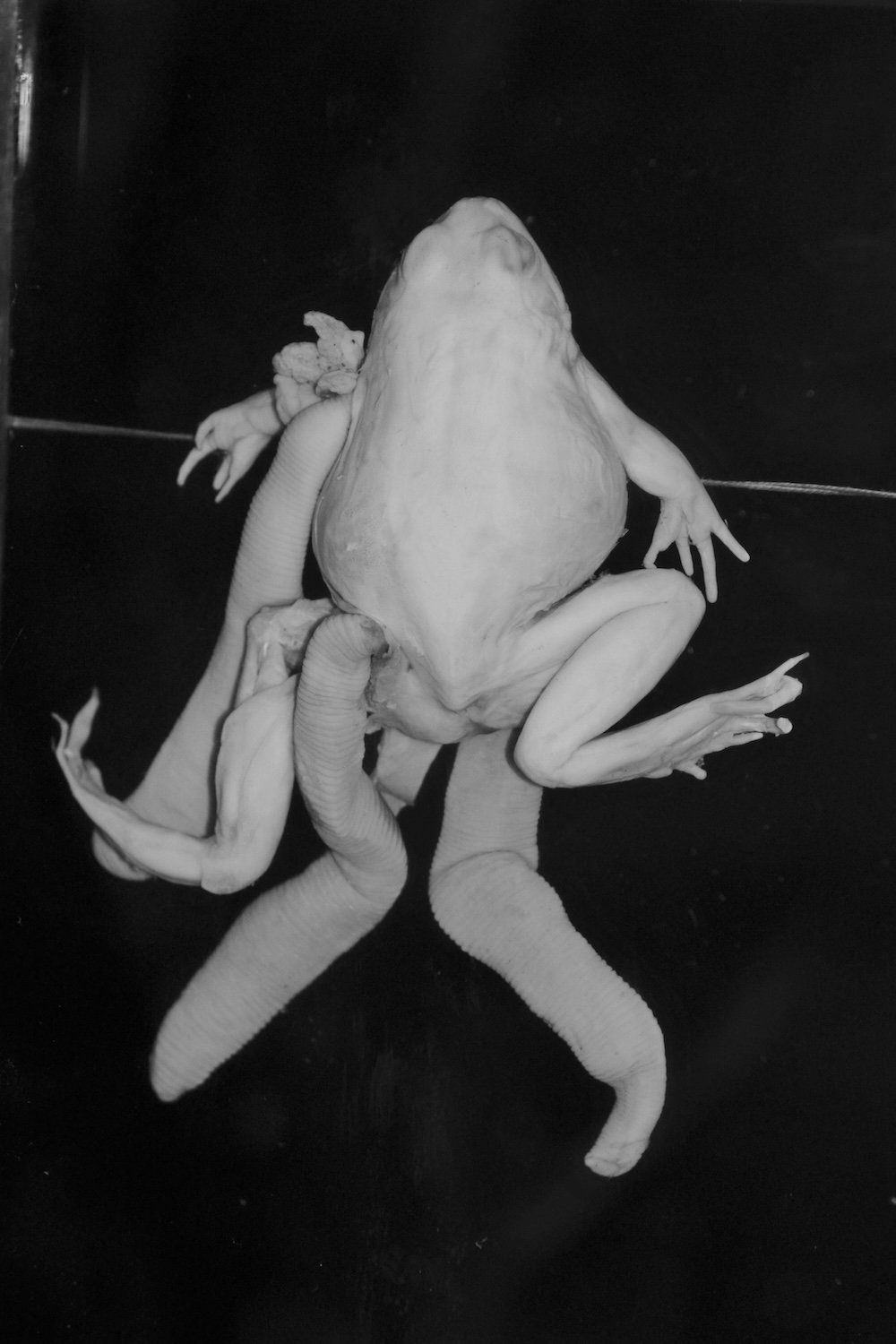
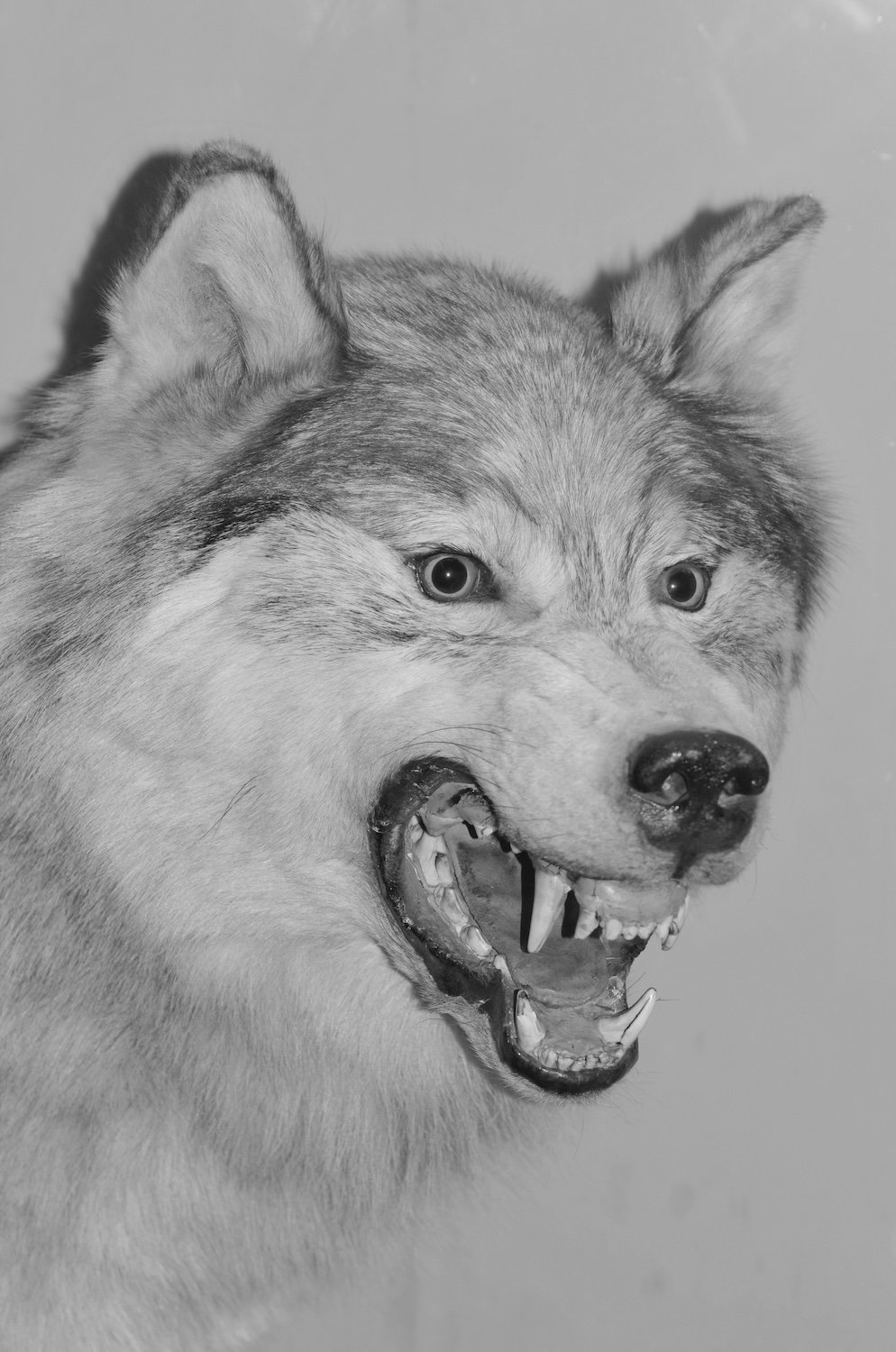
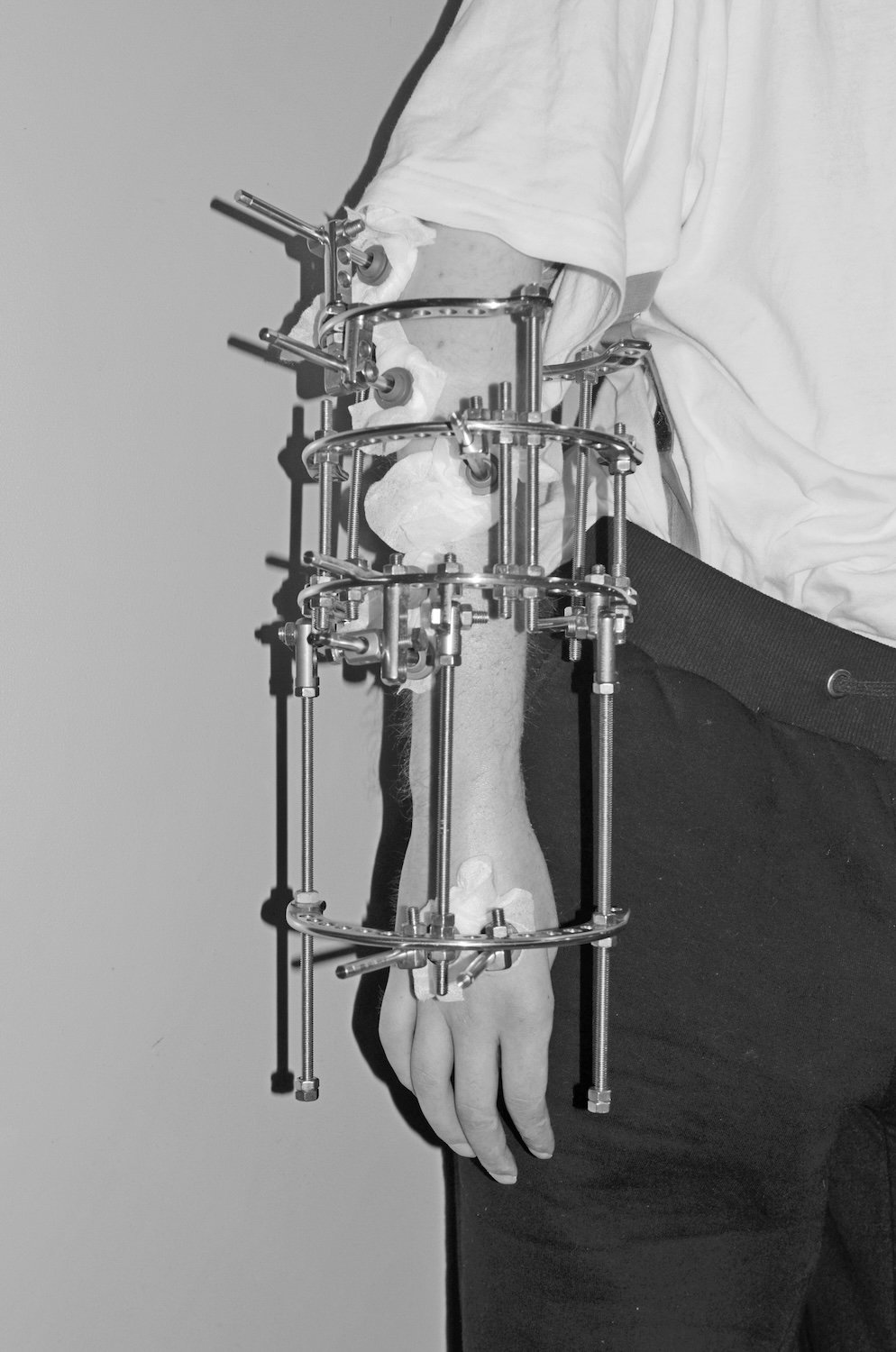
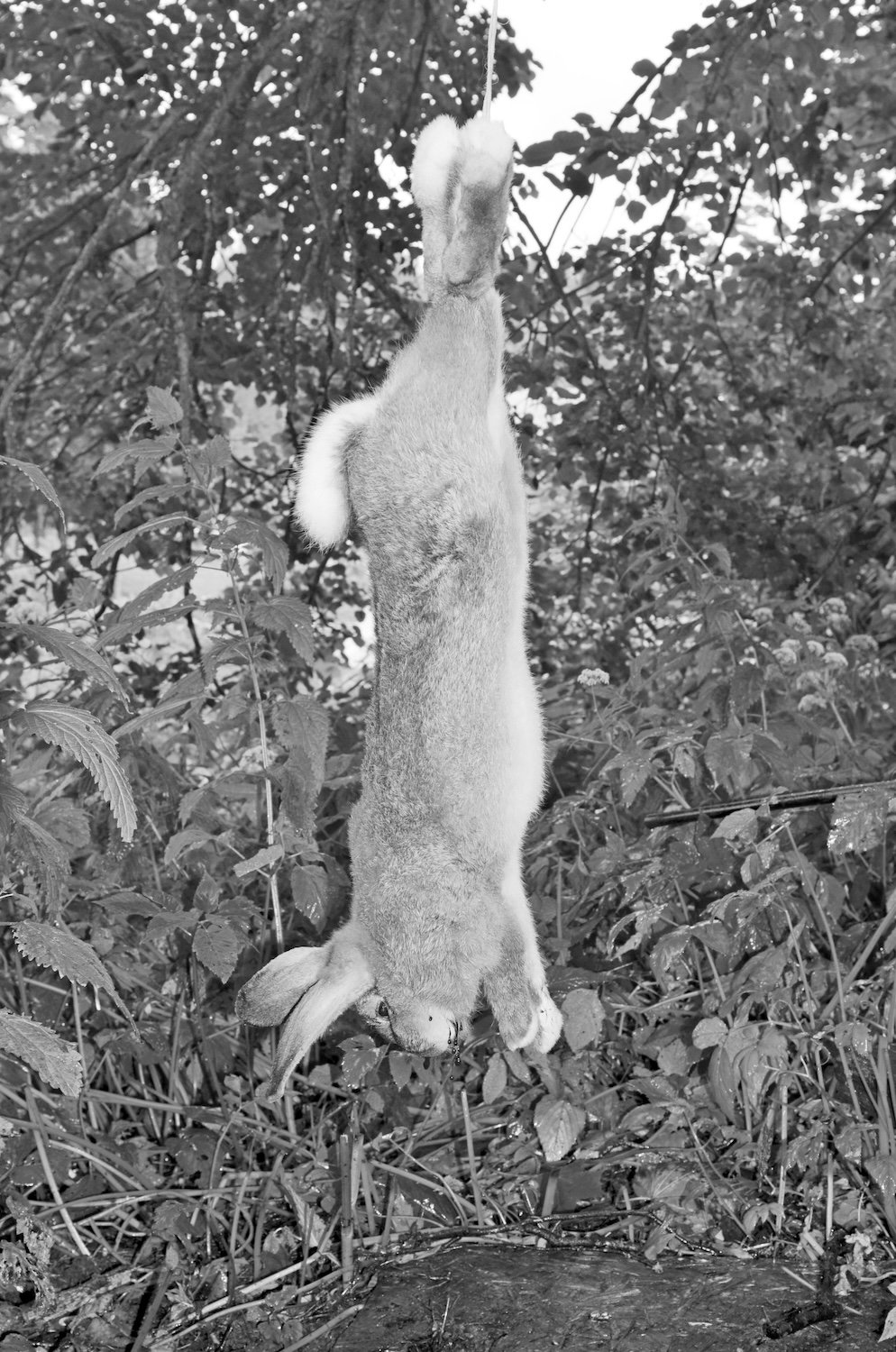
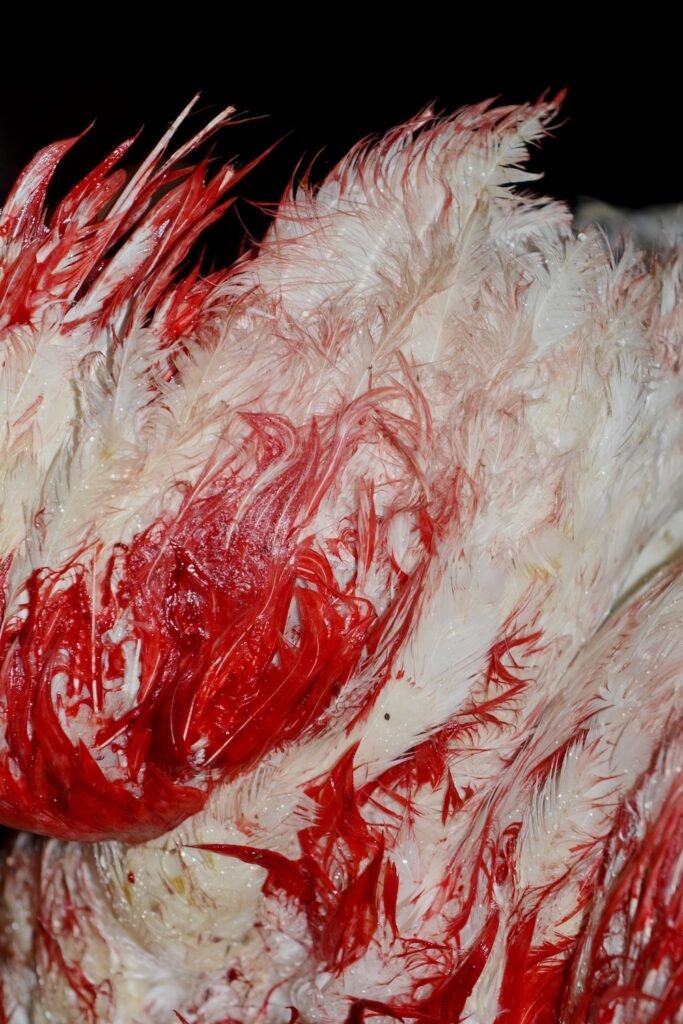
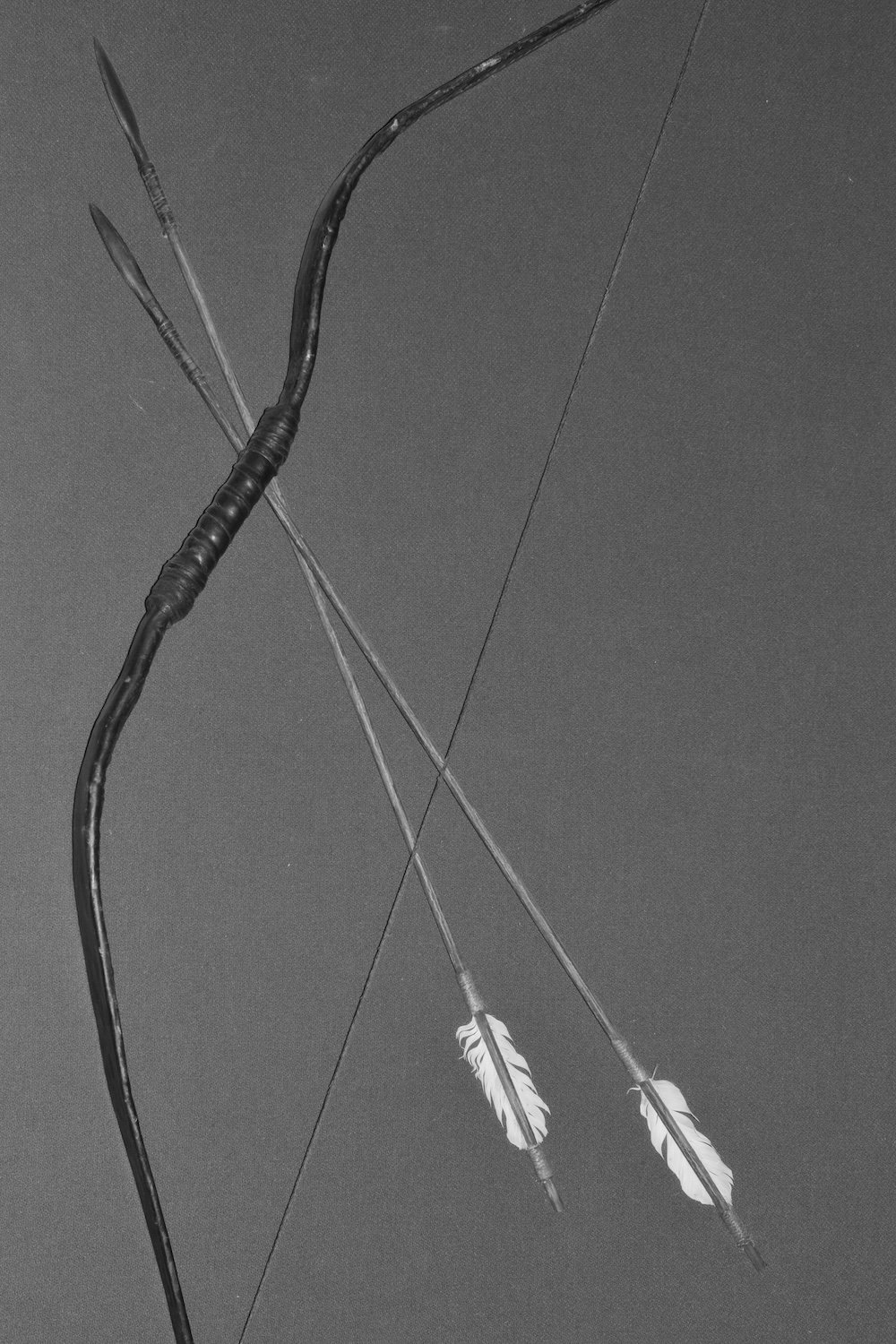
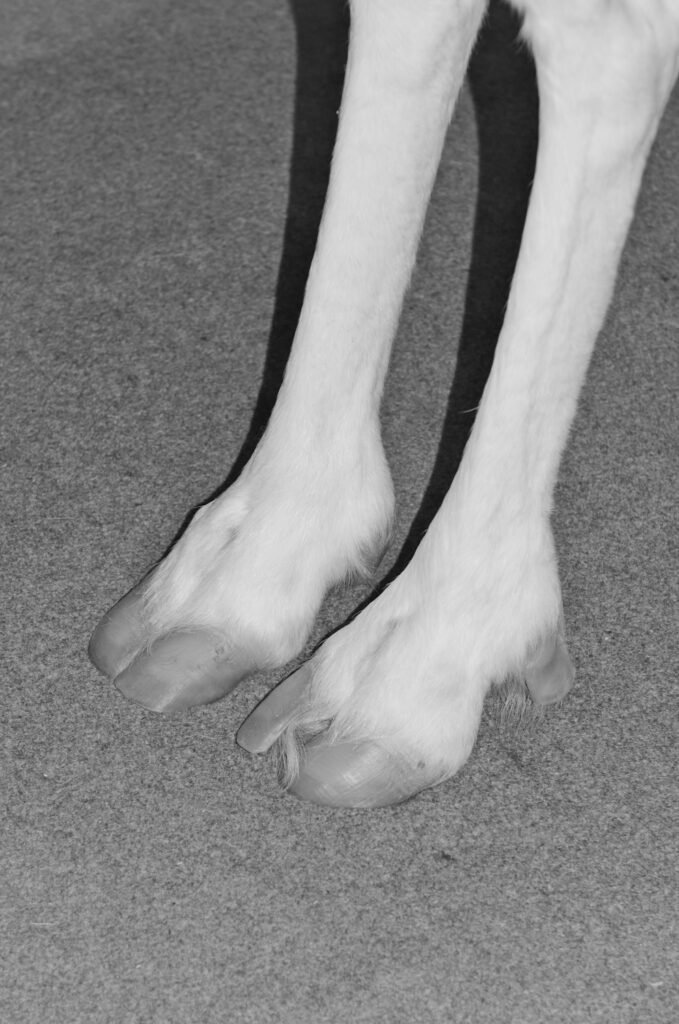
Together with captivity comes the idea of hunting, which appeals to the dialectic of predator and victim (slave and master). In each victim there is a hidden desire to become food in the teeth of the predator, as it is natural for the predator’s will to power. Unwittingly feeling like a trophy in the hands of the state (since the case against us was deemed a political case), I pictured myself and other political prisoners as helpless birds hanging on a game-bag. Just like a duck’s paw is tied in a bundle, my legs were trapped in an ankle monitor during house arrest. As I strolled through the prison yard the size of a small kitchen, I thought of huge elephants in a zoo, locked in a tiny space, rocking back and forth.
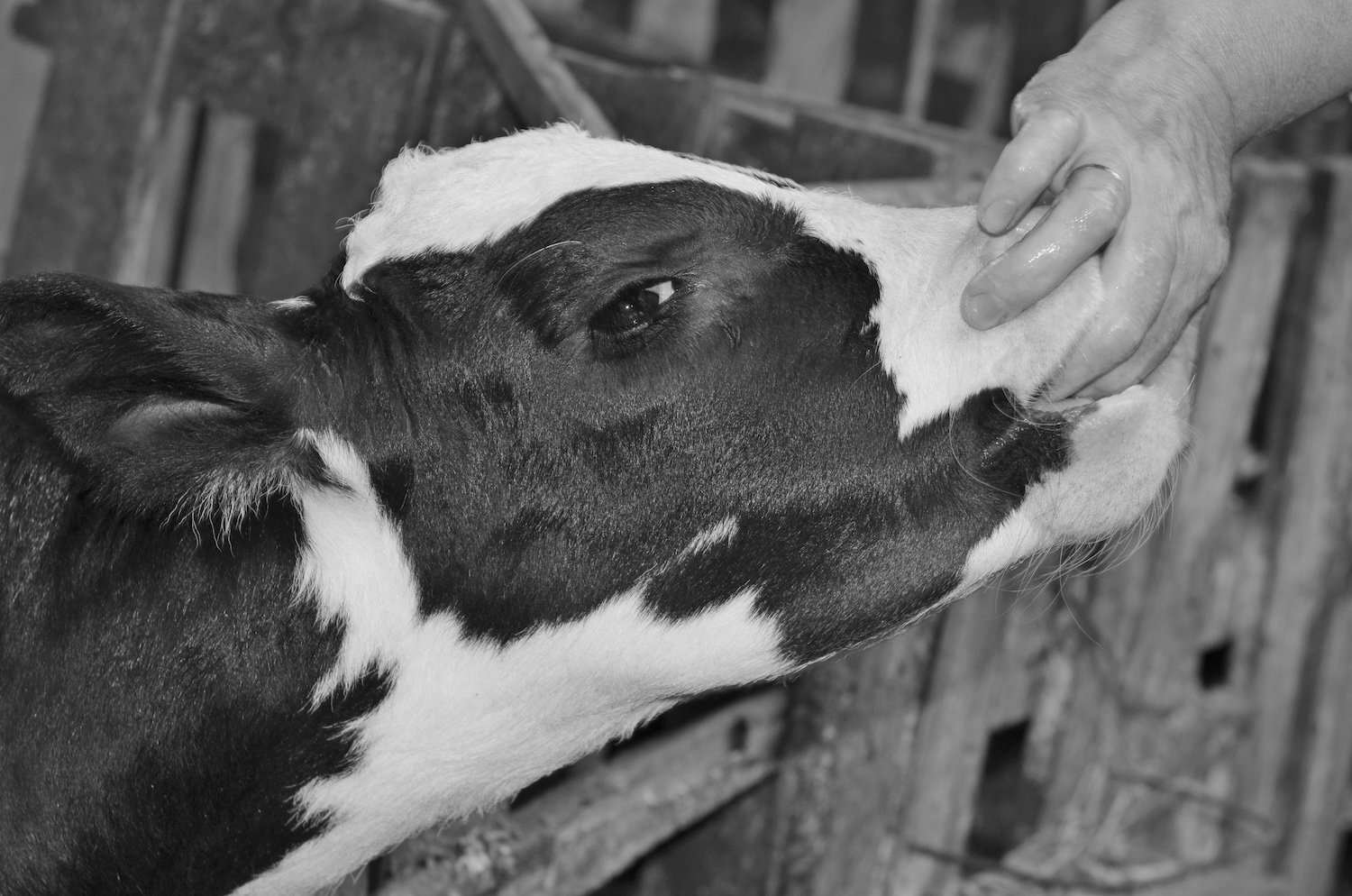
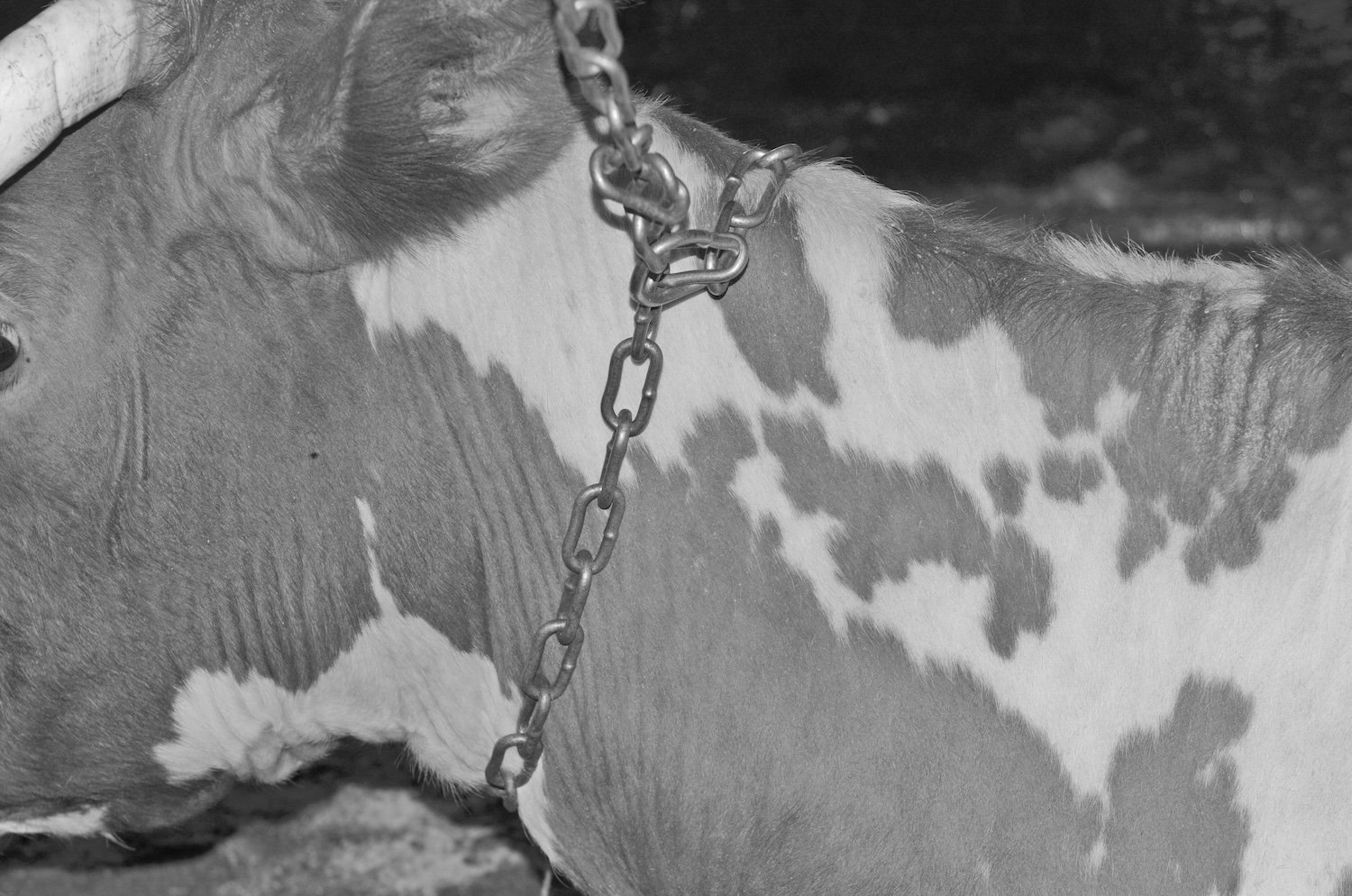
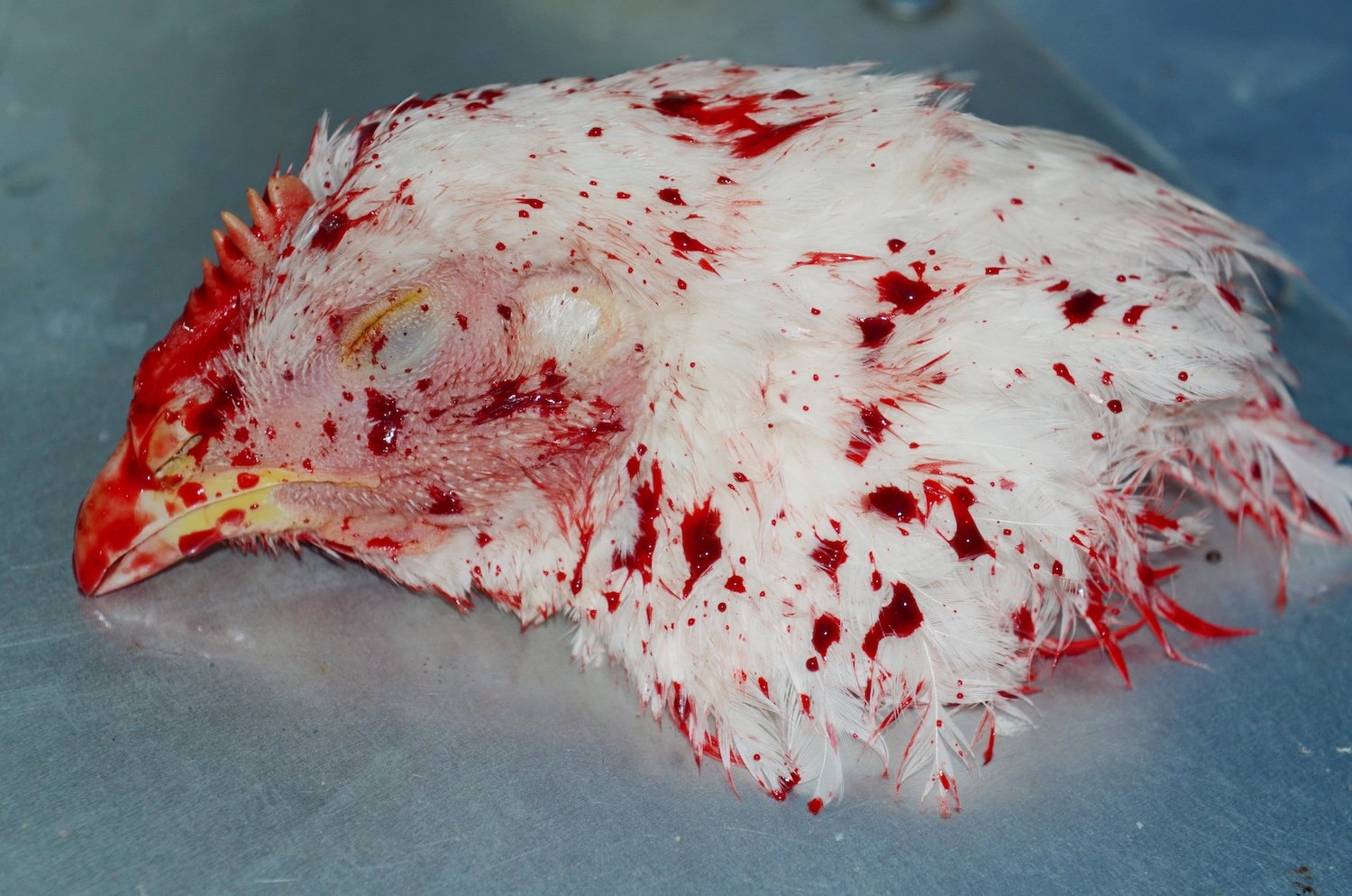
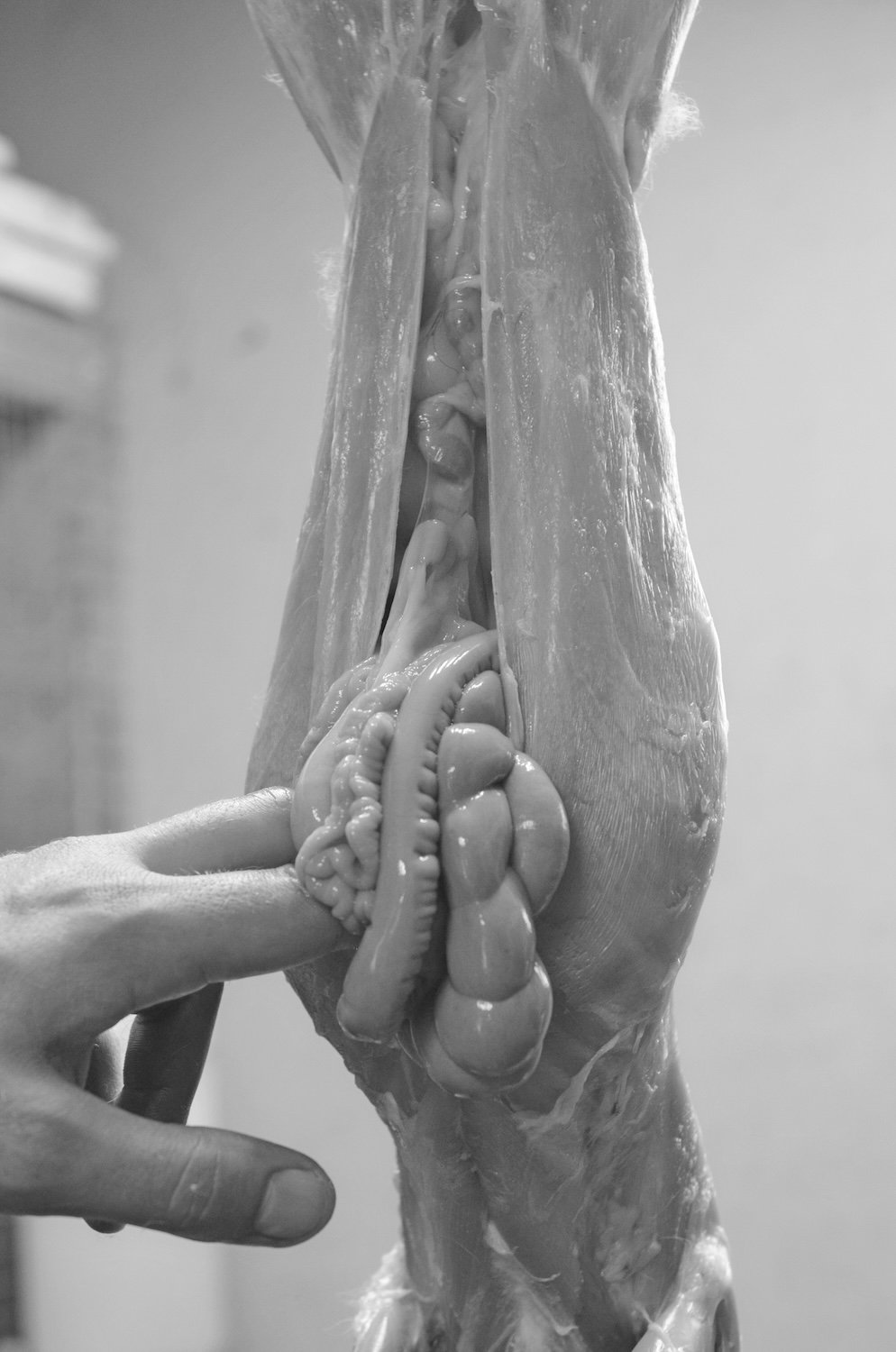
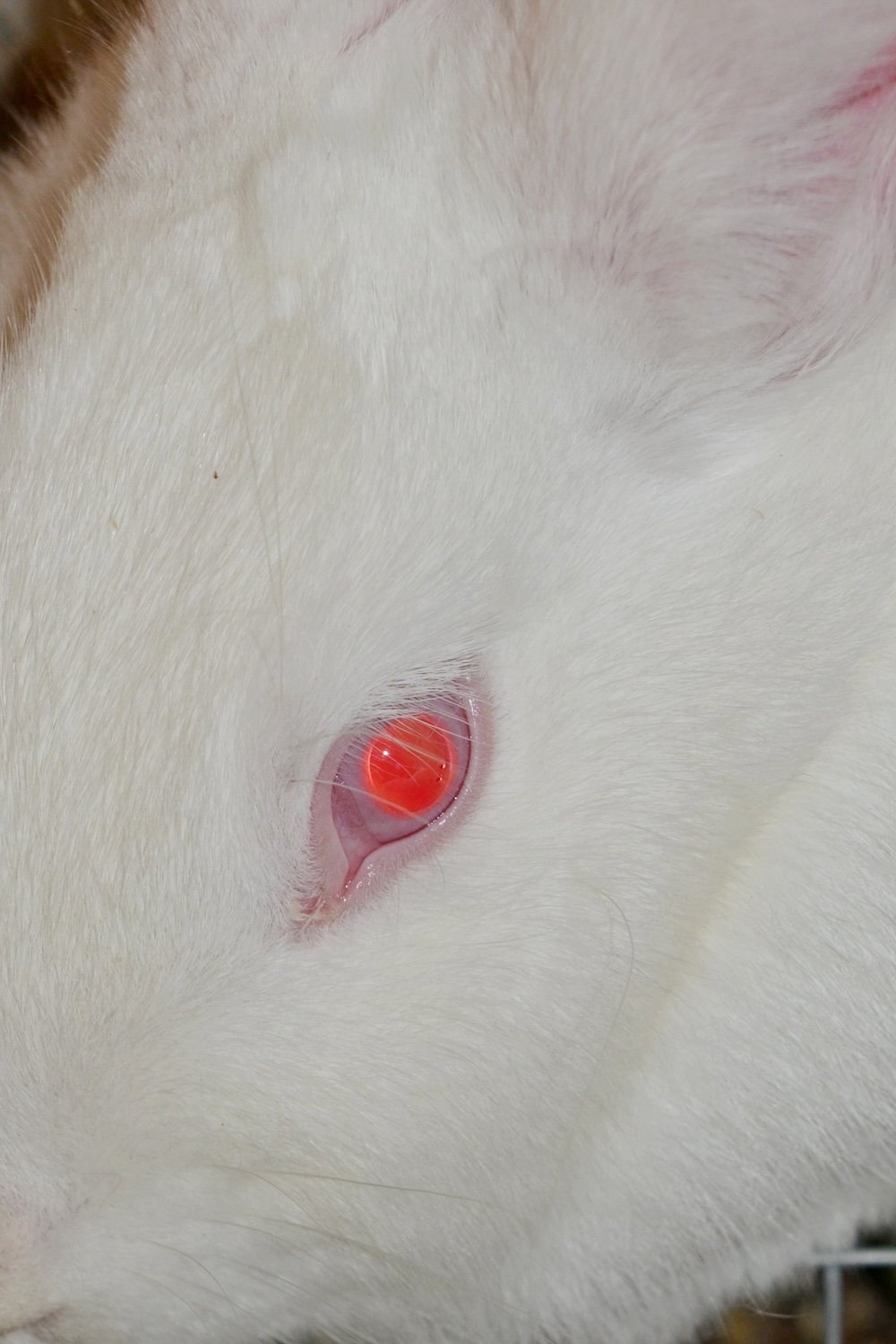
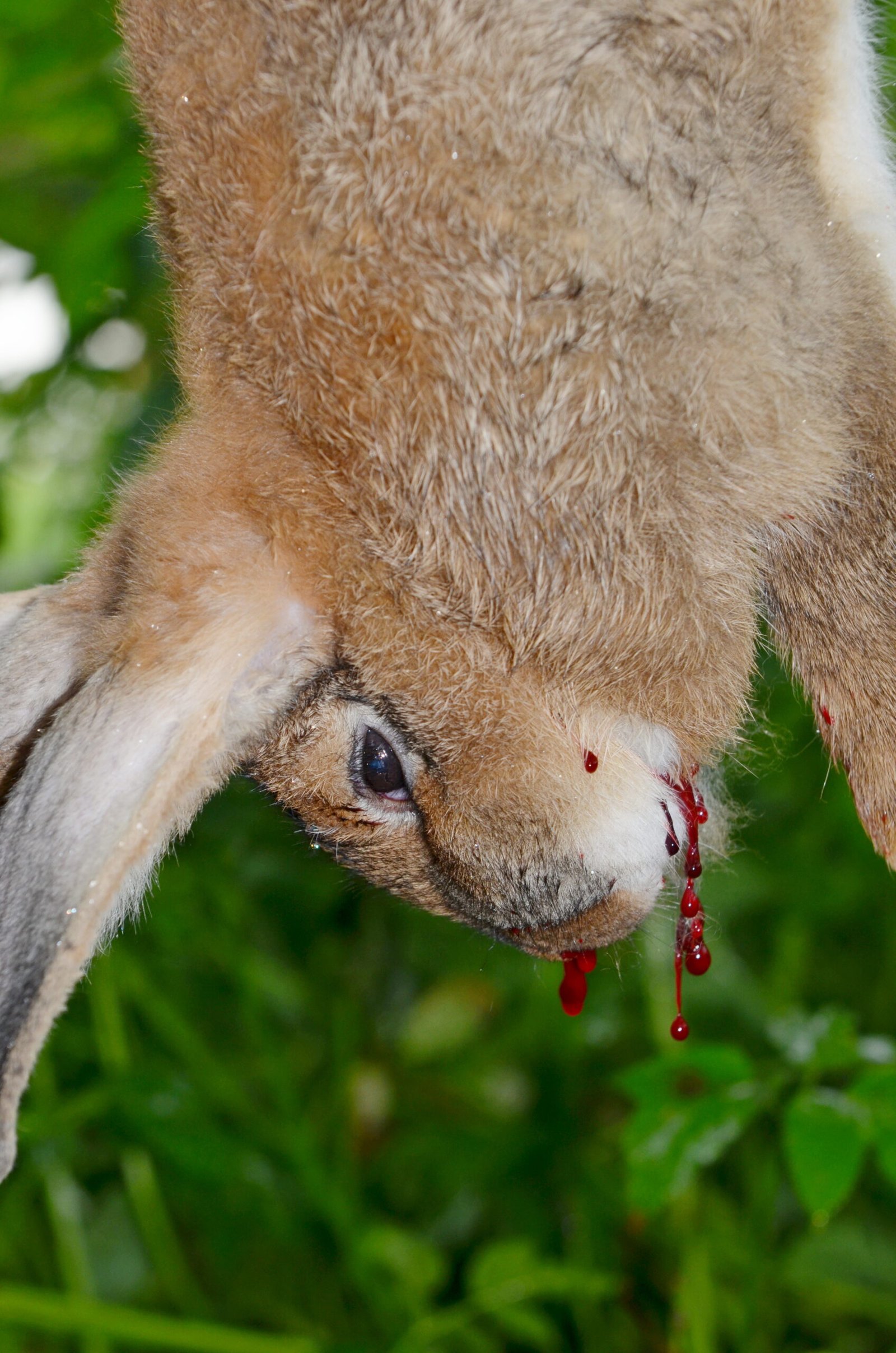
I began to explore legitimate forms of violence, finding in it the expression of what has happened to me. I do not want to turn away from it, and I wouldn’t want others to look away from it as something uncomfortable. I realized that I might need to demonstrate something uncomfortable and unpleasant. I began to visit agricultural farms where animals often live in enclosures, like prison cells, where people extract maximum resources from them. From the milking apparatus to the rabbit slaughter – I saw it as metaphors of the violence committed against me. The justification in both cases is law or necessity. Exploitation becomes a necessity, it is explained as something that must happen.
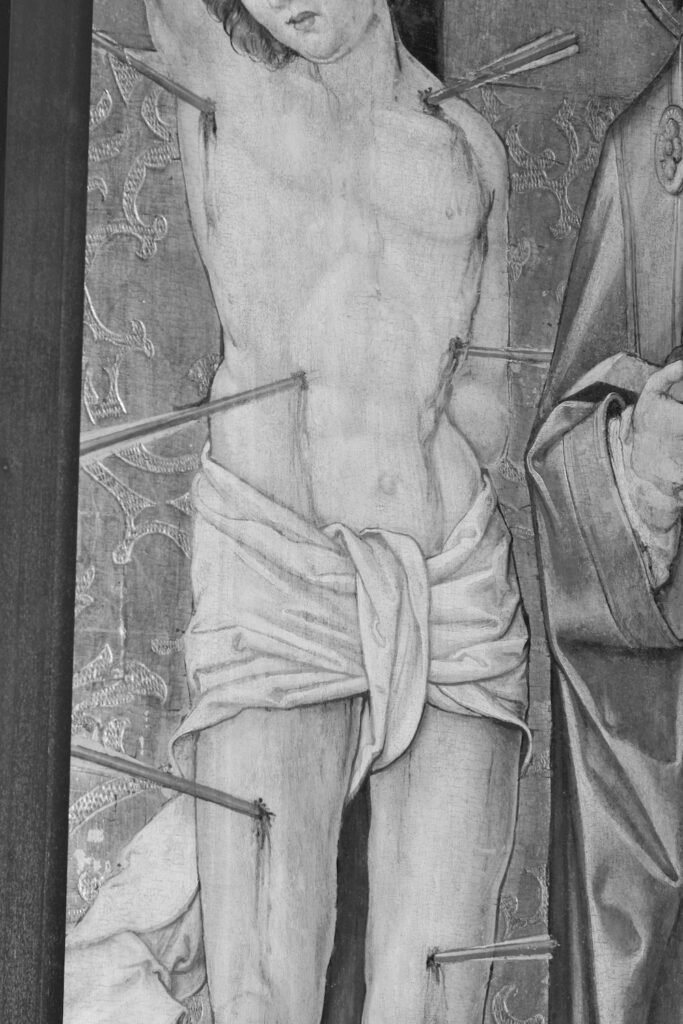
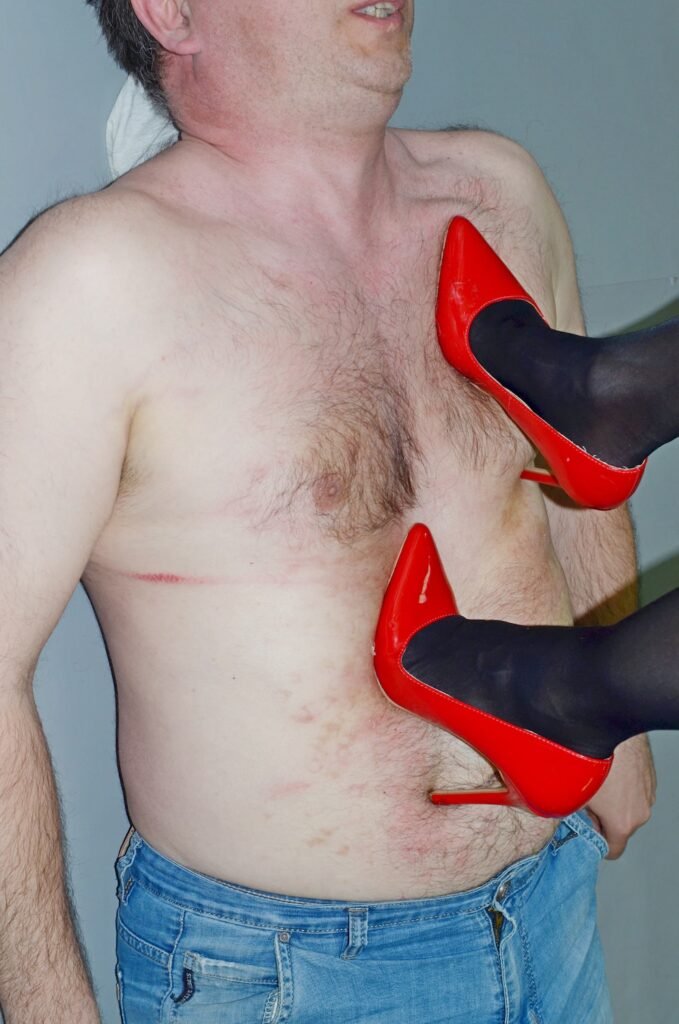
Interest in legitimate, «desirable» forms of violence led me to explore sexual practices, including the desire to be an animal and behave like an animal, as well as being a victim, an object of furniture at will. This is practiced as a game, but often slave-master relationships are tied to the financial relationship of debt, where rules are dictated from below: the slave, having a financial advantage, pays the mistress to dominate him the way he wants. The slave and master’s dialectics in BDSM is perfectly respected: a slave pays to become a master. Their roles are reversed, but outside of this game, entering the realm of nature and political sphere, is it possible for the doe to eat the predator trapped by it, tearing its flesh into fibers?