Phenomenology of Encounter, Ethics of Duration, Archive of the Invisible
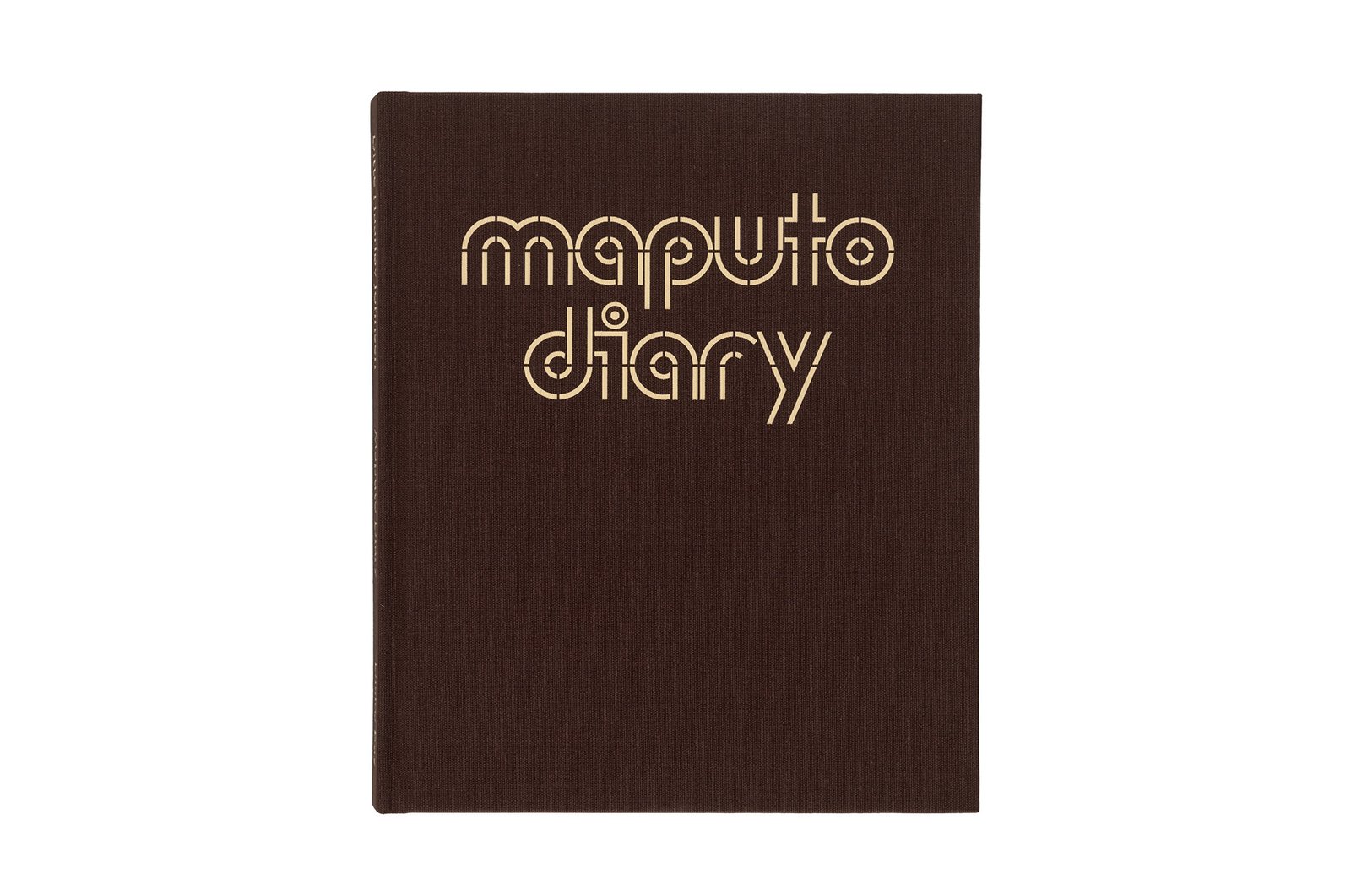
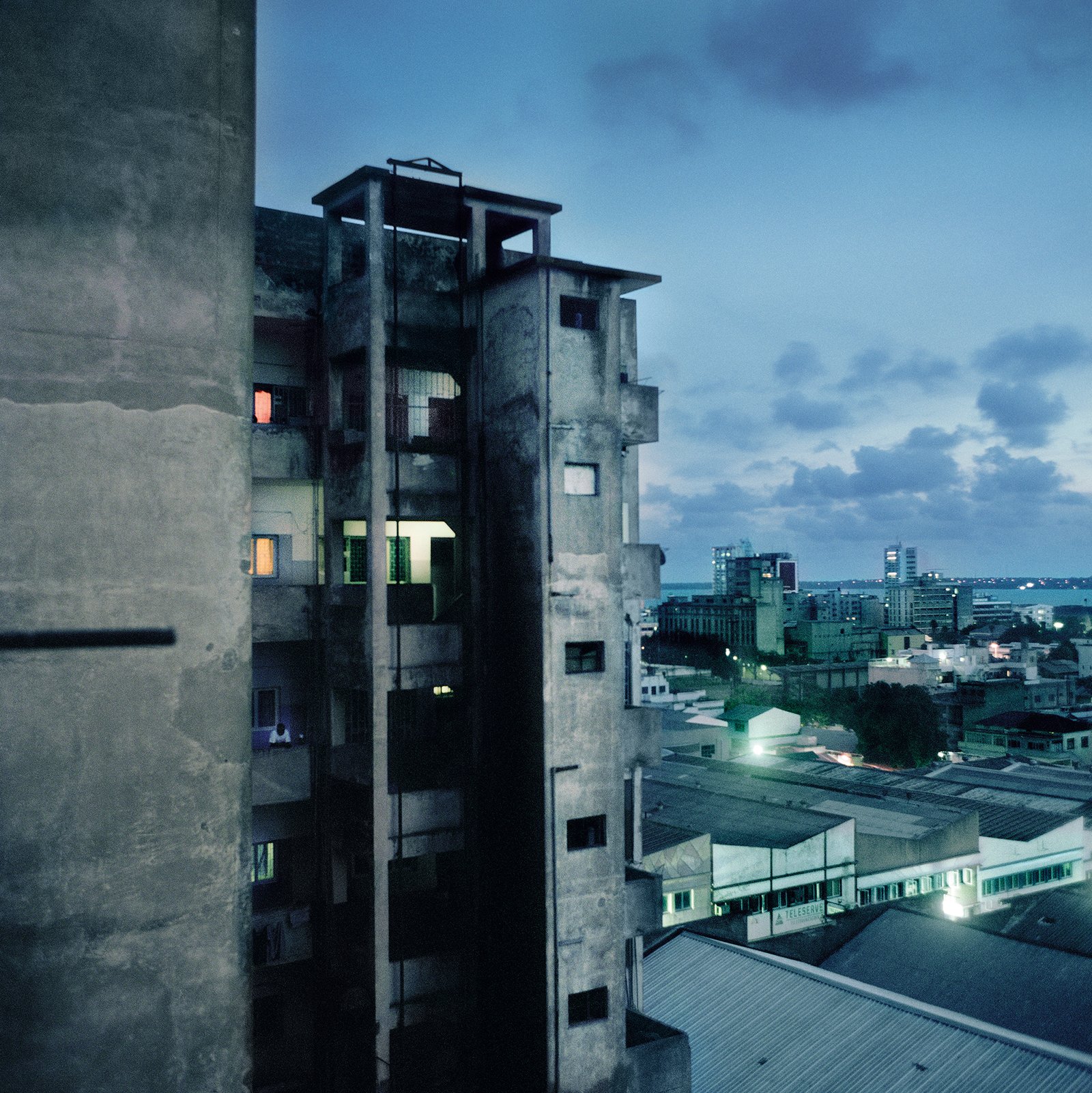
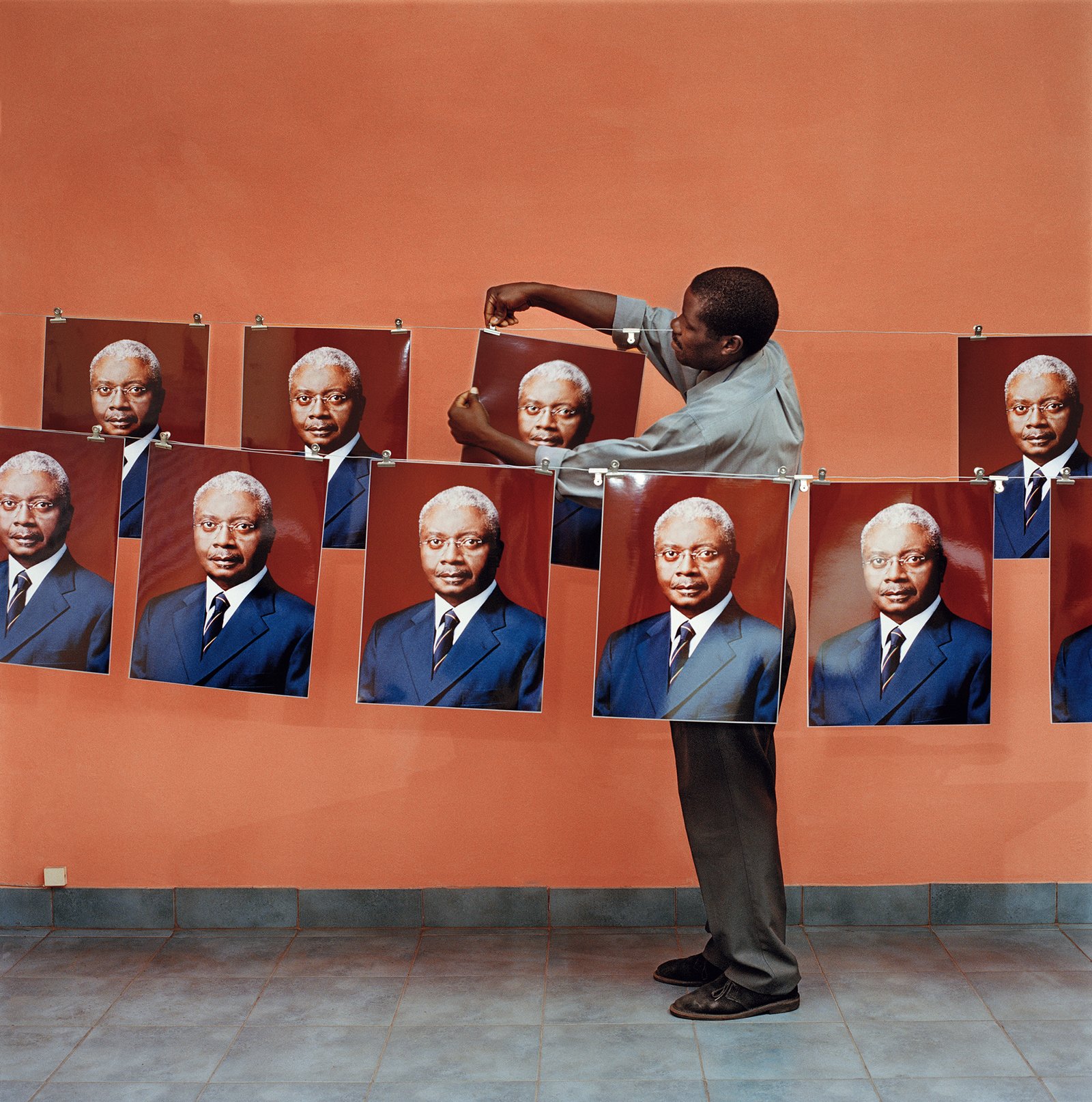
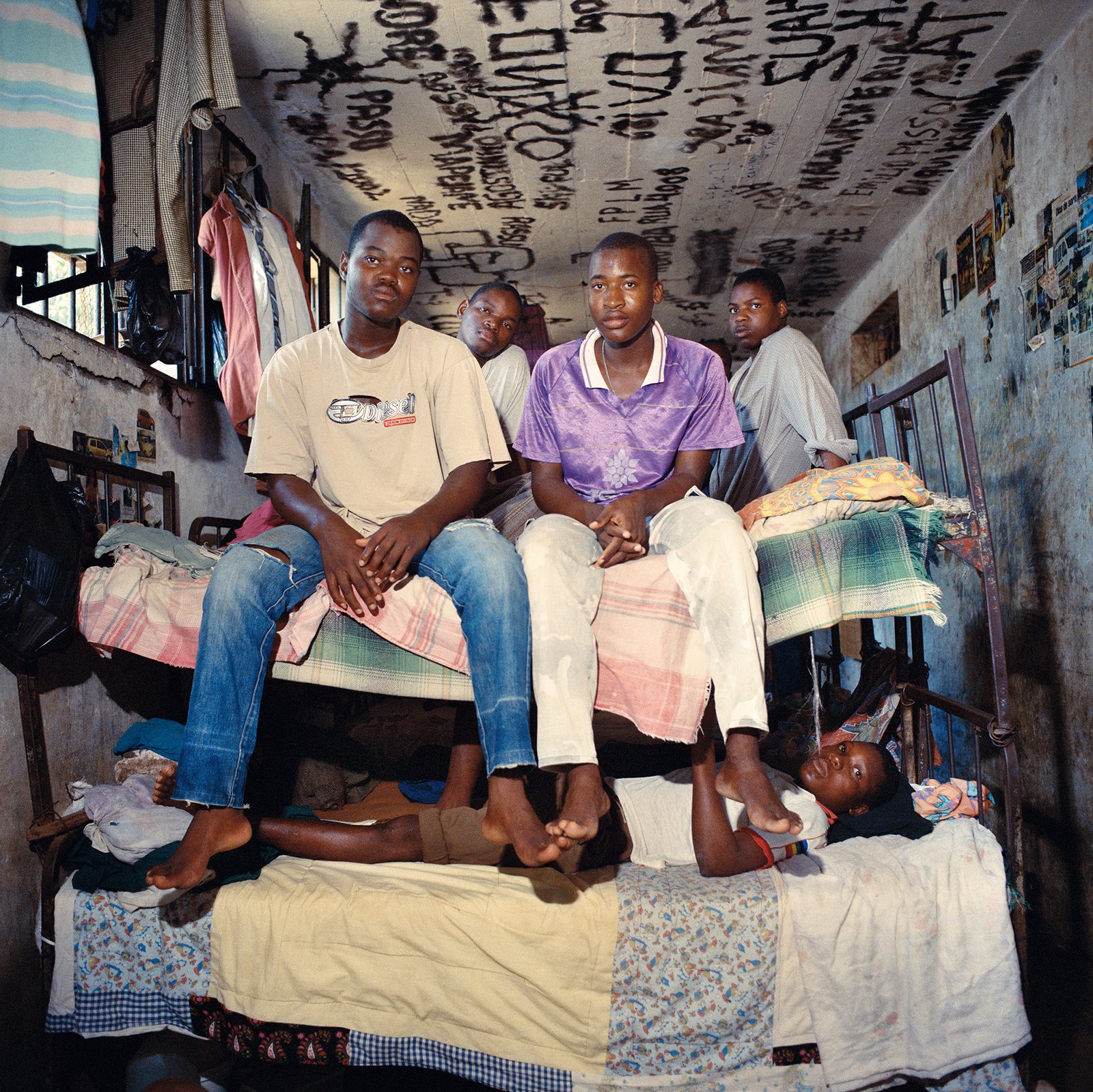
Maputo Diary resists classification as a conventional photobook or as a documentary project in any straightforward sense. It operates instead as a complex testimonial assemblage, a discursive and affective field in which photographic practice, diaristic inscription, and ethical-political reflection converge without resolving into a unified narrative. Developed over more than twenty-five years of intermittent return and sustained relational engagement with the city of Maputo and its inhabitants, the work deliberately occupies a liminal position: between document and memory, archive and autobiography, observation and implication.
Johnsen’s practice explicitly departs from the regime of immediacy and urgency that underpins much contemporary documentary photography. Maputo Diary is grounded in duration as both method and epistemological commitment. Meaning does not emerge through the revelation of decisive moments, but through temporal accretion, repetition, and return. The work does not seek to clarify or to explain; it insists on remaining with the unresolved, foregrounding persistence over disclosure and relation over eventfulness. Time is not a neutral container but an active agent in the production of sense.
The diaristic form, in this context, should be understood not as an expressive or confessional strategy, but as a critical apparatus. It enables a mode of inscription that acknowledges fragmentation, discontinuity, and incompleteness as constitutive of lived experience. Images and texts do not cohere into a linear narrative or a causal sequence; rather, they articulate a layered temporality composed of pauses, reiterations, and temporal disjunctions. The temporality at stake in Maputo Diary is not that of historical chronology, but that of relational endurance.
Within this framework, the project aligns with a practice of critical auto-ethnography. Johnsen does not adopt an external vantage point from which to observe her subjects; she situates herself within the same field of relations she renders visible. Her subjectivity is neither effaced nor foregrounded as expressive authority, but treated as a condition of encounter and a site of ethical accountability. Knowledge here is not produced through distance, but through implication.
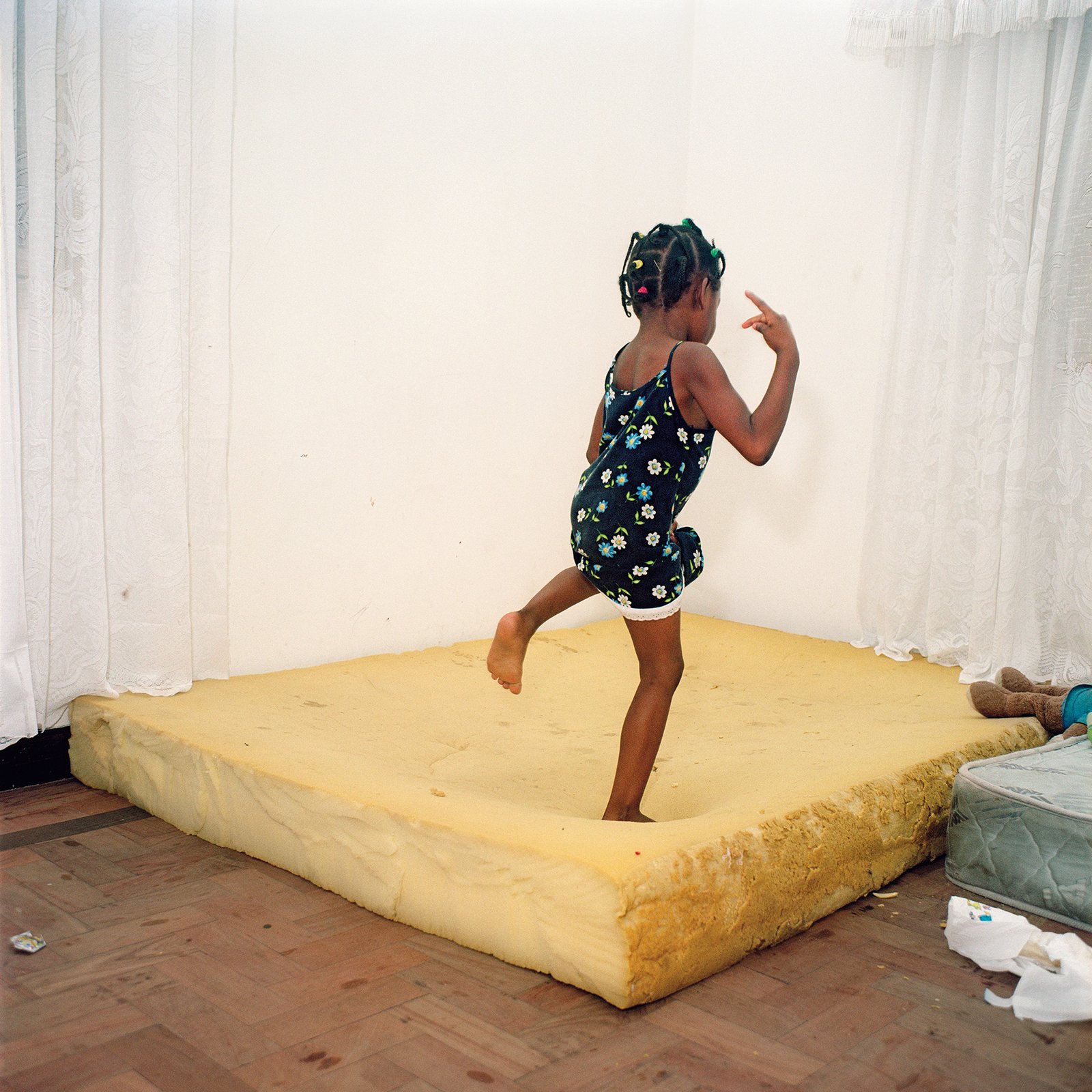
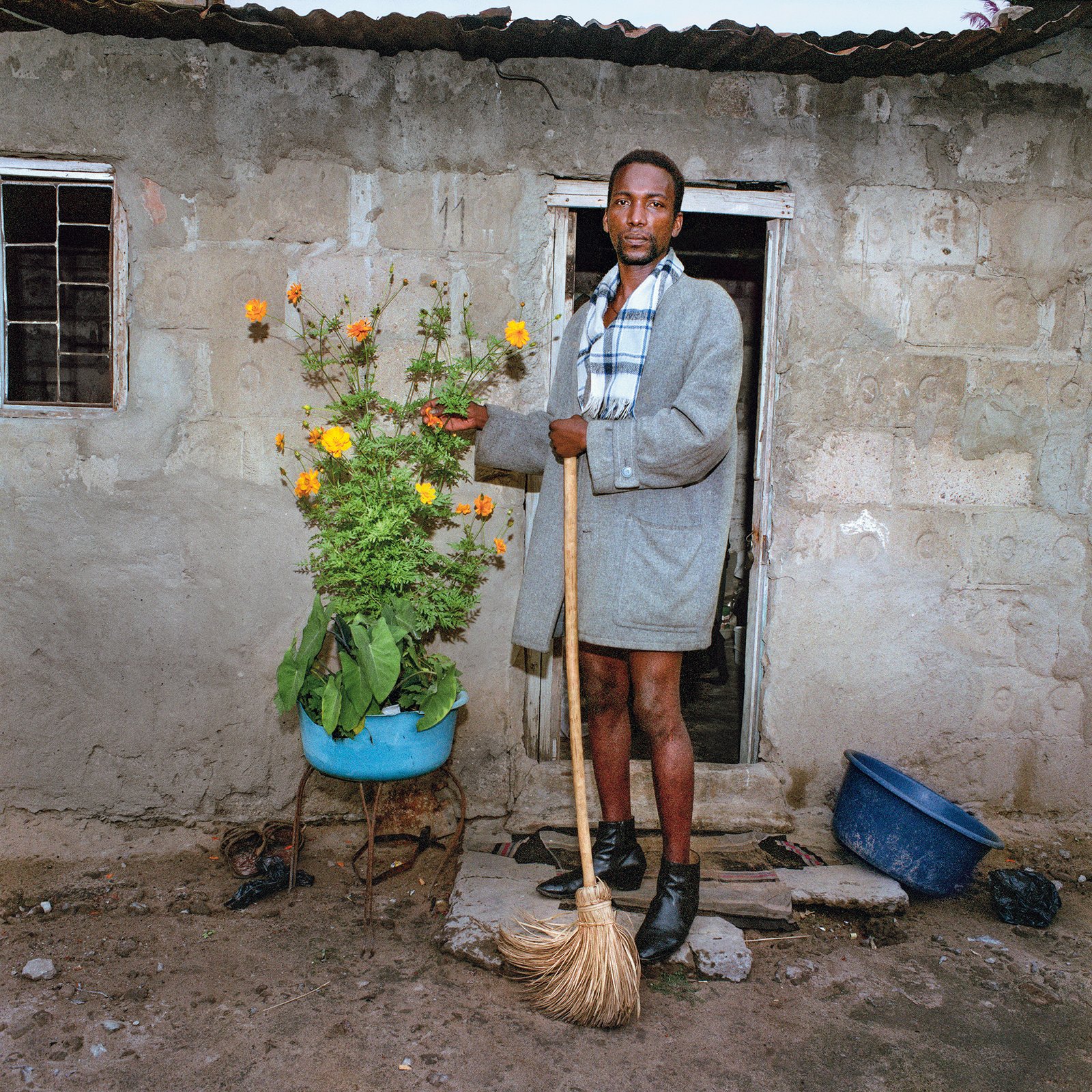
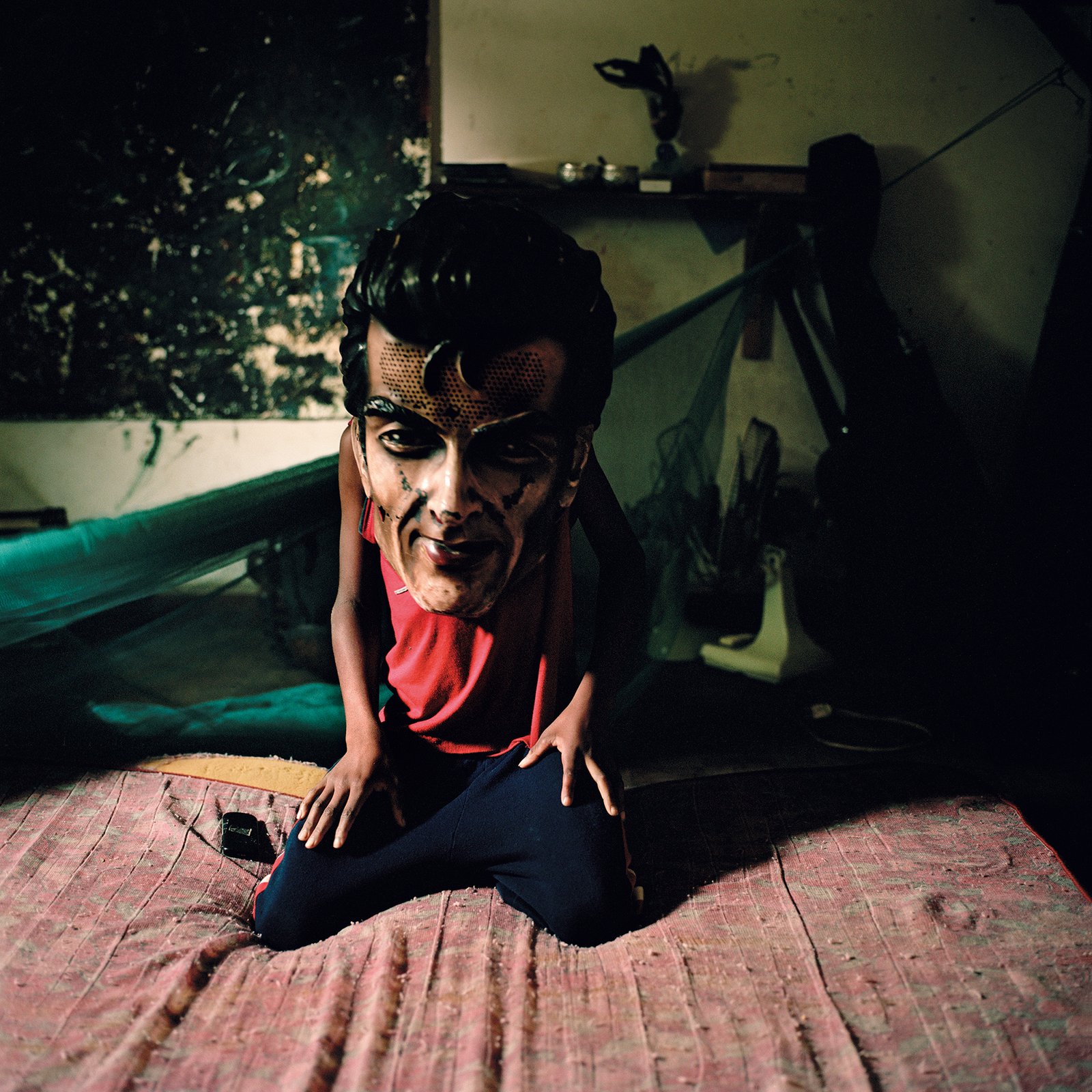
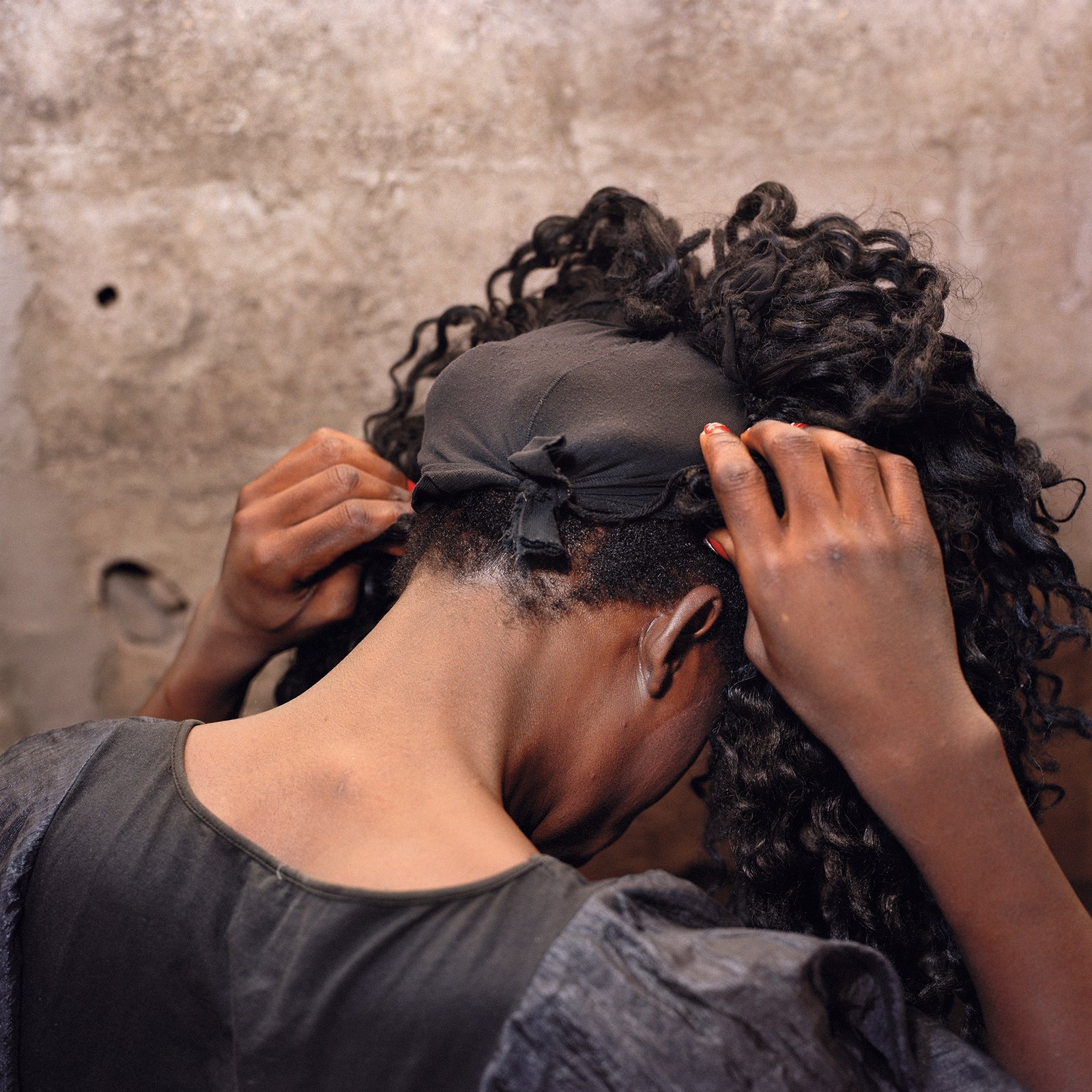
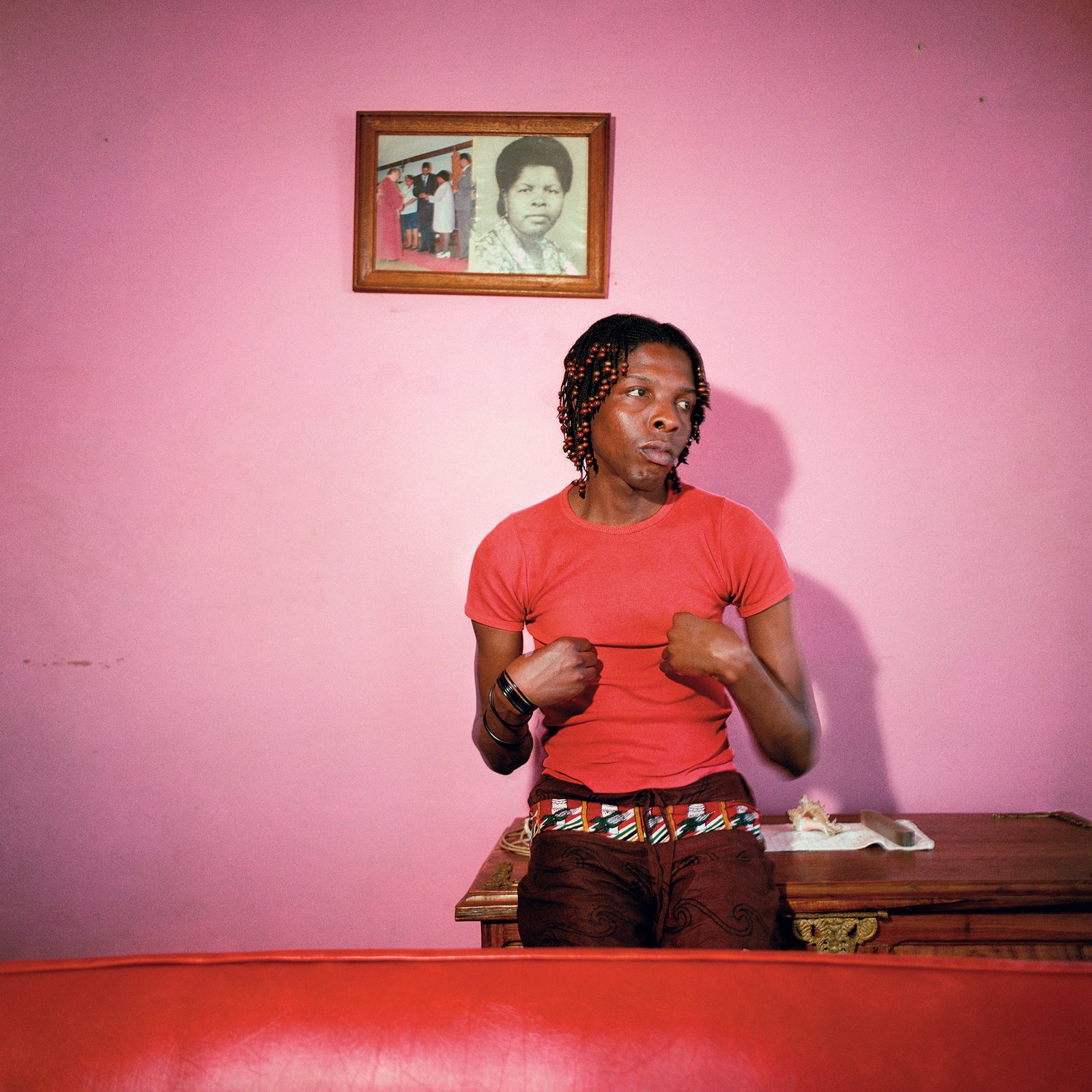
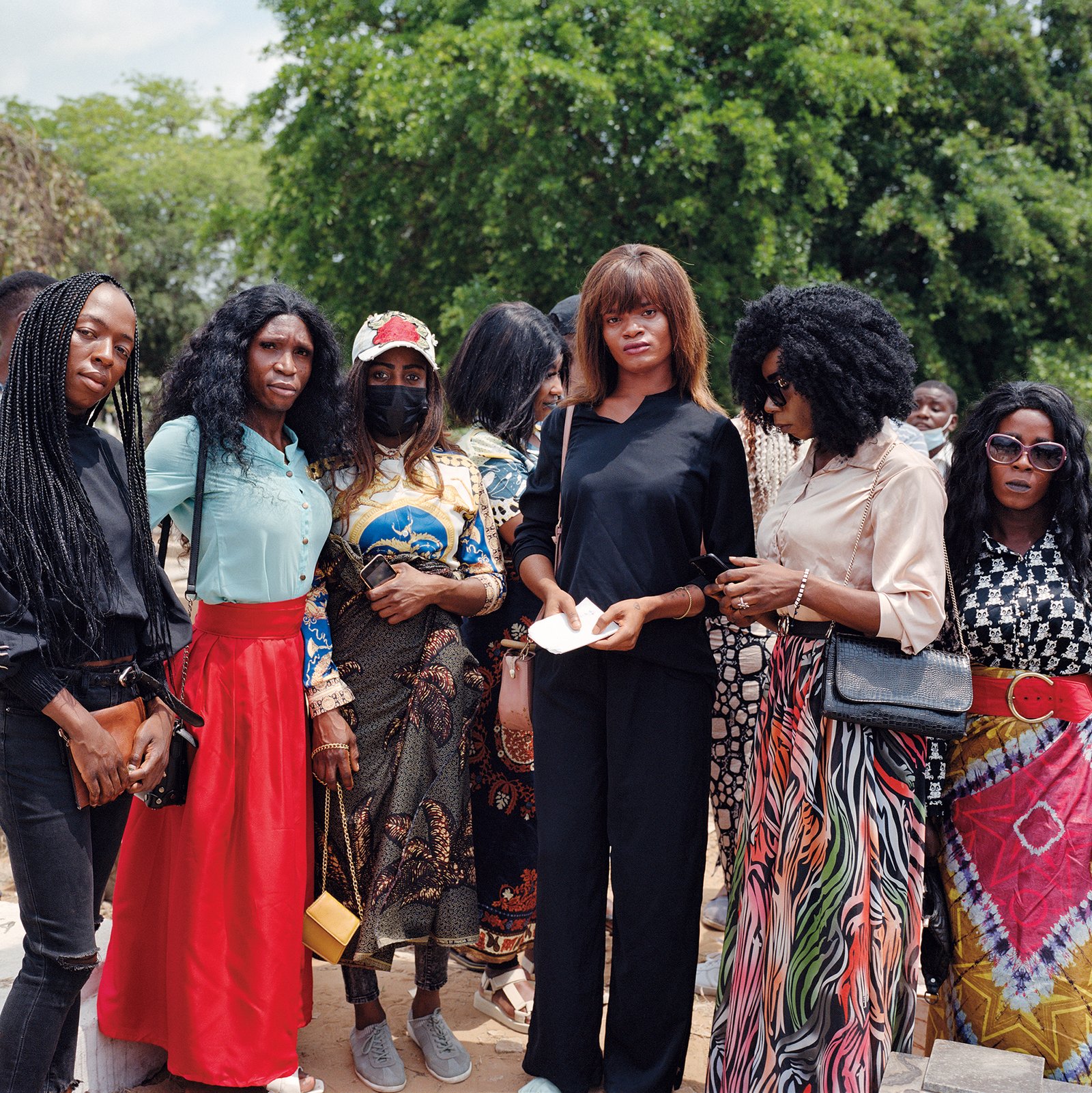
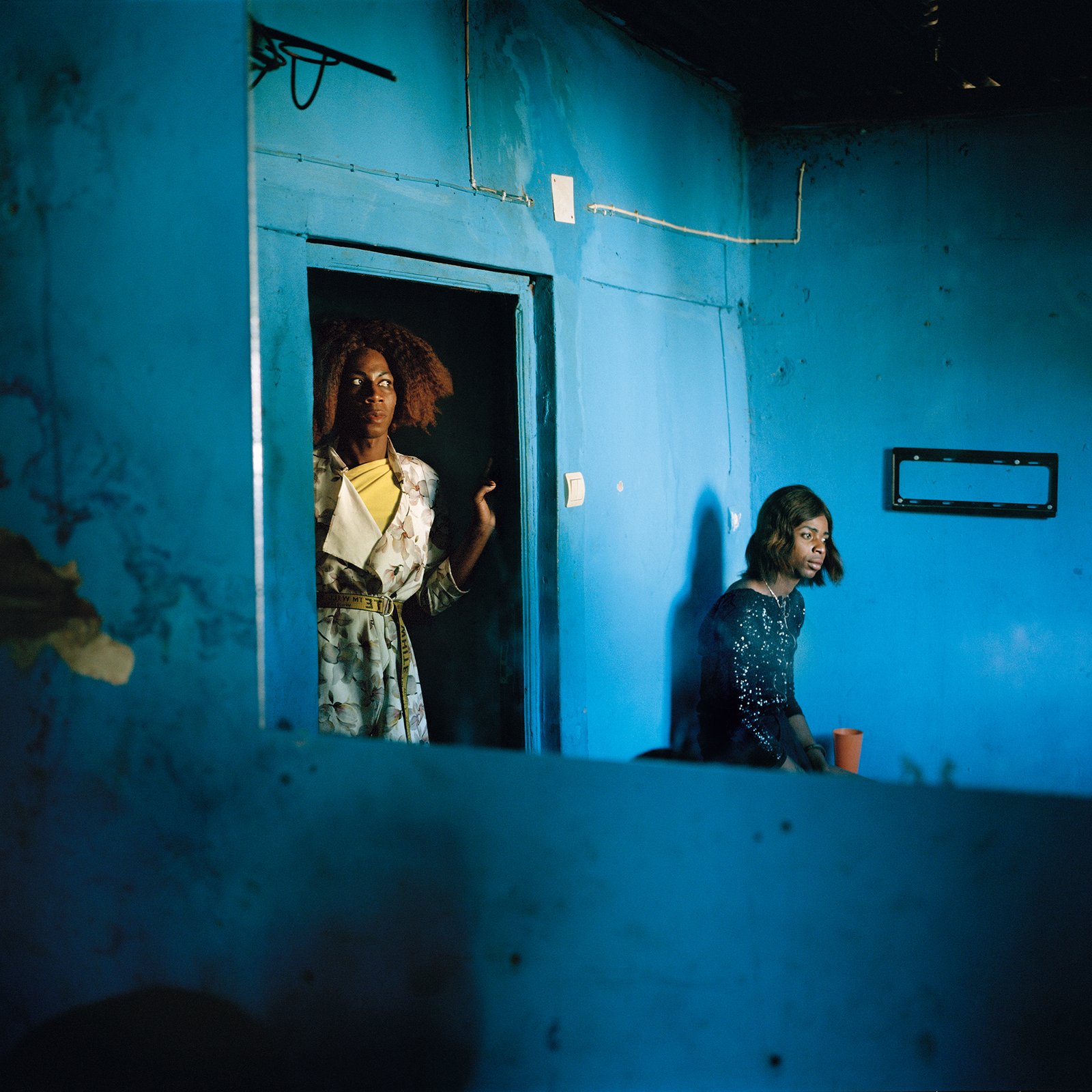
Central to the work is the long-term relationship with the Manas, a transgender community in Maputo with whom Johnsen has shared everyday life, intimacy, vulnerability, and loss. The representation of these lives is structured by a sustained tension between proximity and reflexivity. The artist does not circumvent questions of positionality—of race, privilege, and historical asymmetry—nor does she attempt to resolve them through gestures of transparency or claims to representational innocence. Privilege is neither disavowed nor redeemed; it remains an unresolved condition that structures the encounter itself.
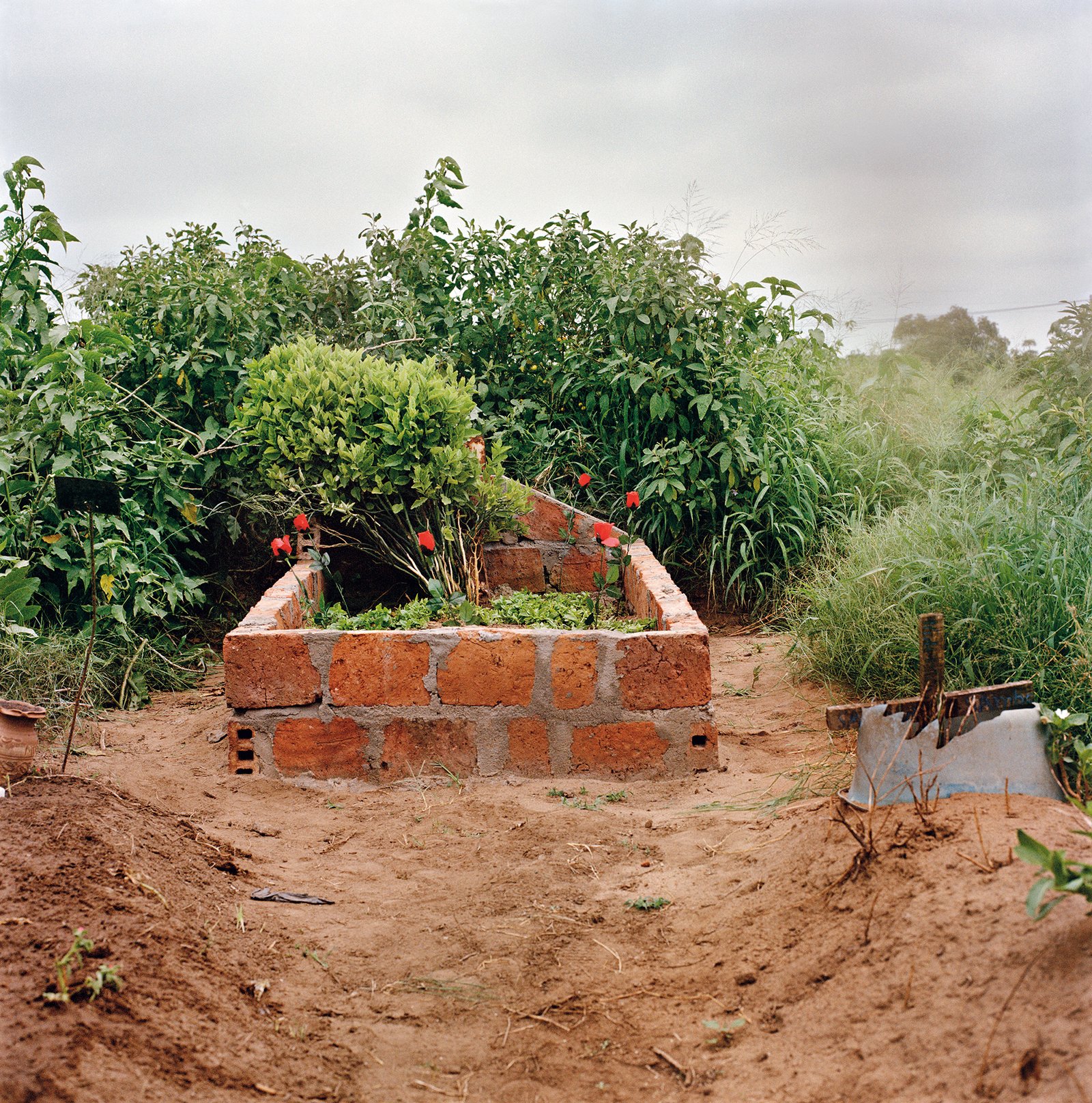
The intimacy that emerges from the images does not function as an index of access or authenticity. Rather, it signals a reciprocal exposure, a shared vulnerability that resists appropriation. The recurrent presence of death—material, irrevocable, and often premature—introduces an elegiac register that avoids both spectacle and consolation. Photography functions here as an act of counter-memory: not as recovery or preservation, but as the inscription of persistence against erasure.
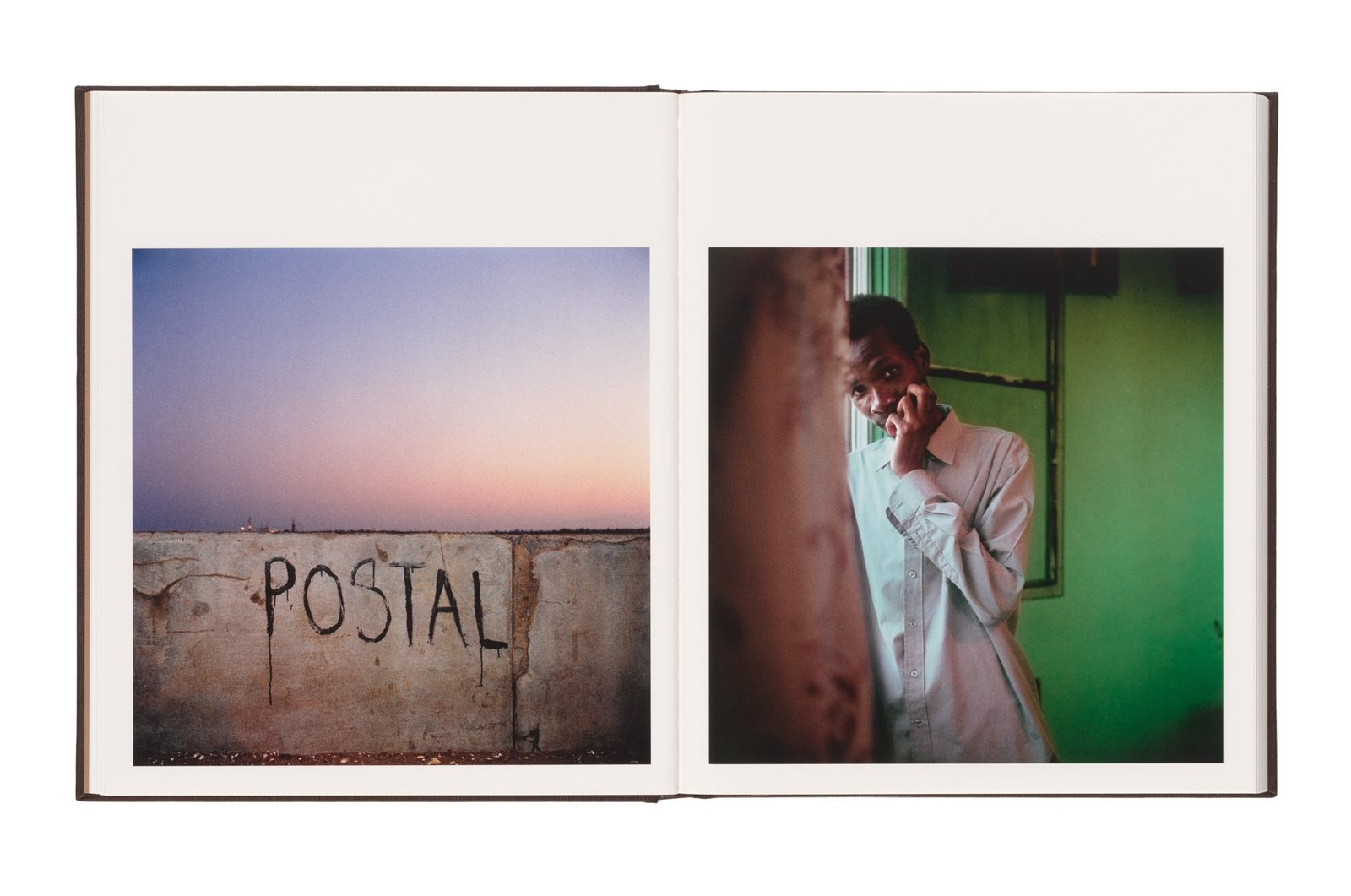
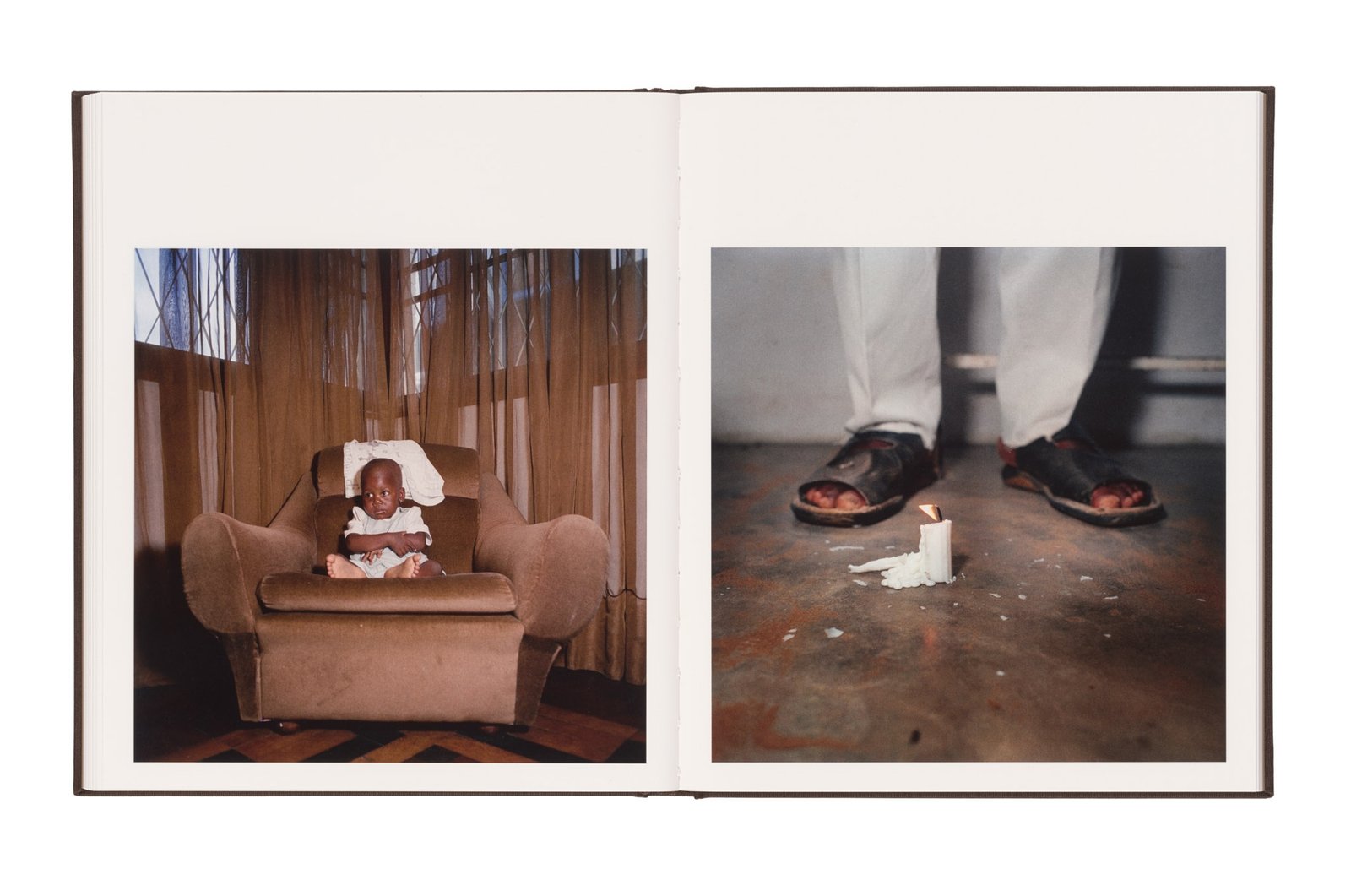
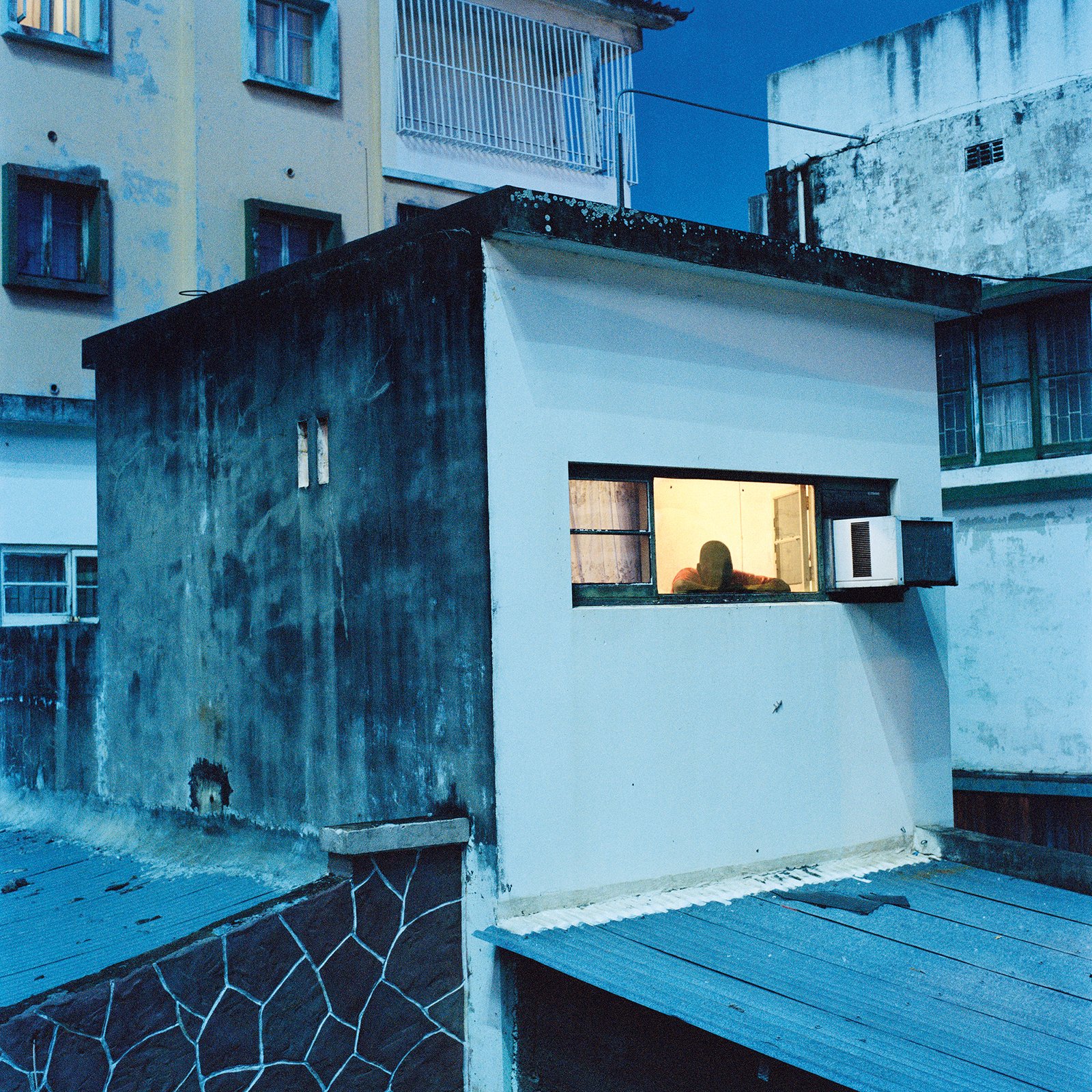
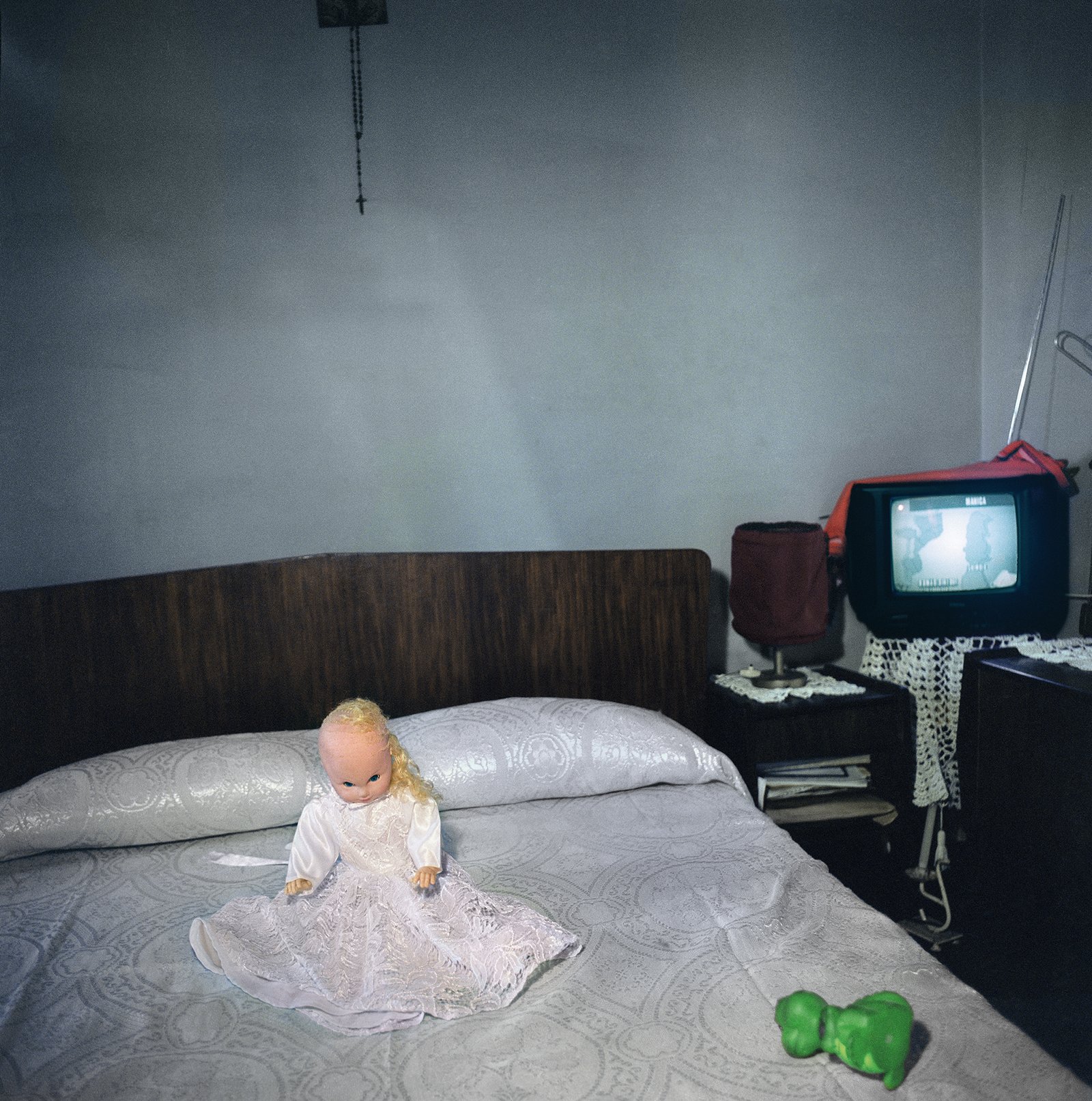
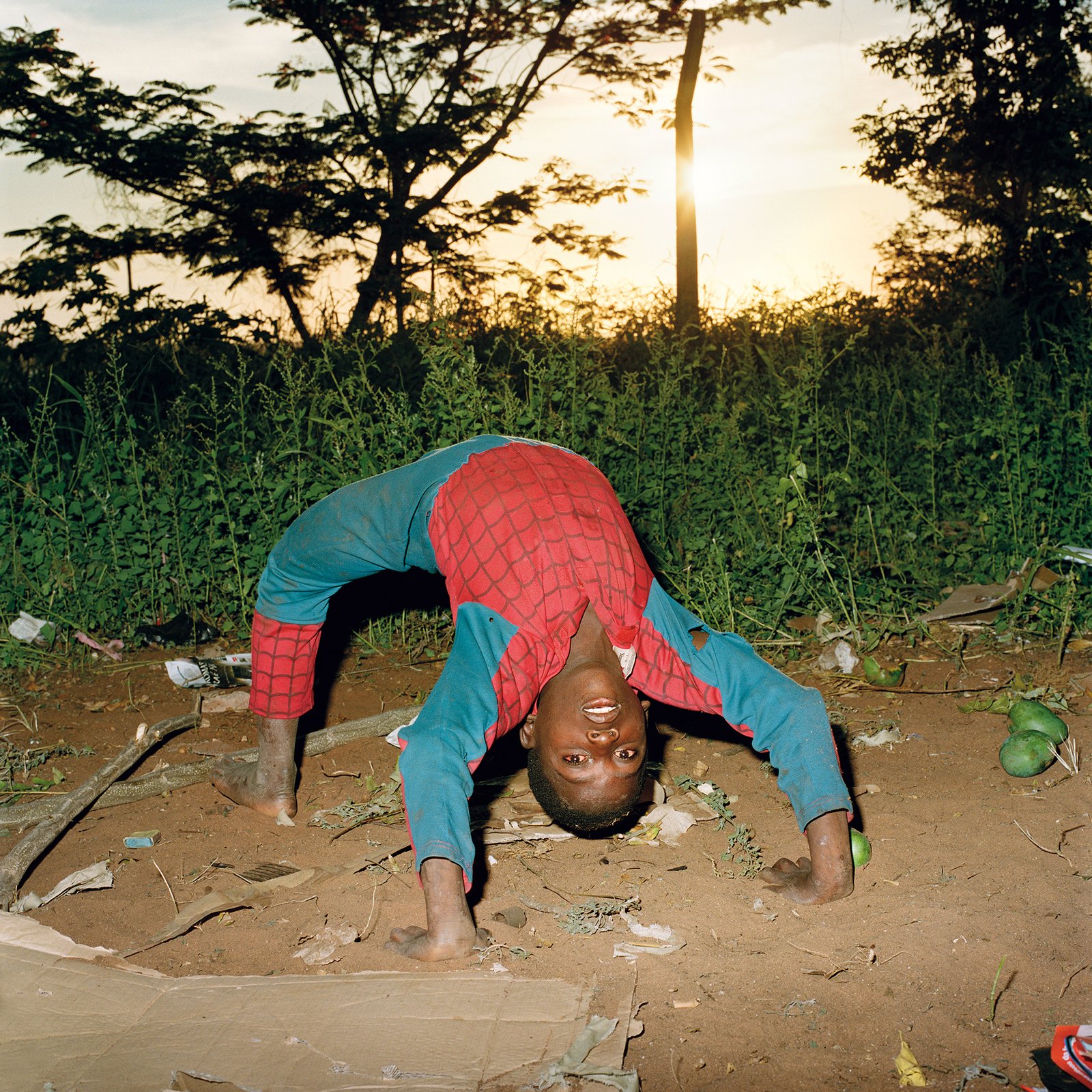
Formally, Maputo Diary constructs a visual syntax oriented toward slowness, attenuation, and suspension. The sequencing resists hierarchization and narrative climax, favoring instead a dispersed constellation of images whose meaning emerges cumulatively. The viewer is not guided toward interpretation, but required to remain with uncertainty, to inhabit the temporal and affective intervals between images.
The book’s material and editorial decisions are integral to this experience. The use of white space, pacing, and the calibrated alternation between text and image establish a rhythm that interrupts consumption and invites durational attention. Photography is not mobilized as evidence or testimony in a juridical sense, but as a sensitive surface—a site of resonance between visibility and opacity, presence and absence.
One of the work’s most significant contributions lies in its archival dimension. Yet Maputo Diary does not aspire to the logic of institutional archiving or classificatory order. It proposes instead an affective and relational archive, constituted through attachments, losses, and temporal overlap. This archive is partial by necessity, grounded not in completeness but in insistence. In a socio-political context in which many of the lives depicted remain excluded from dominant regimes of visibility and remembrance, the work operates as a counter-archive that interrogates the conditions under which lives become legible and grievable.
Ultimately, Maputo Diary demands a form of engagement that is both temporal and ethical. It refuses closure, synthesis, or resolution, sustaining its internal tensions as a mode of critical fidelity to the complexity of lived relations. Vulnerability is not framed as a deficit, but as an epistemic condition—one that renders visible the limits of representation without relinquishing responsibility.
In an image economy increasingly defined by acceleration and saturation, Johnsen’s work asserts a radically different proposition. Maputo Diary is not an object to be consumed or decoded, but a space to be inhabited—a practice of memory that does not stabilize meaning, but continually reopens it.