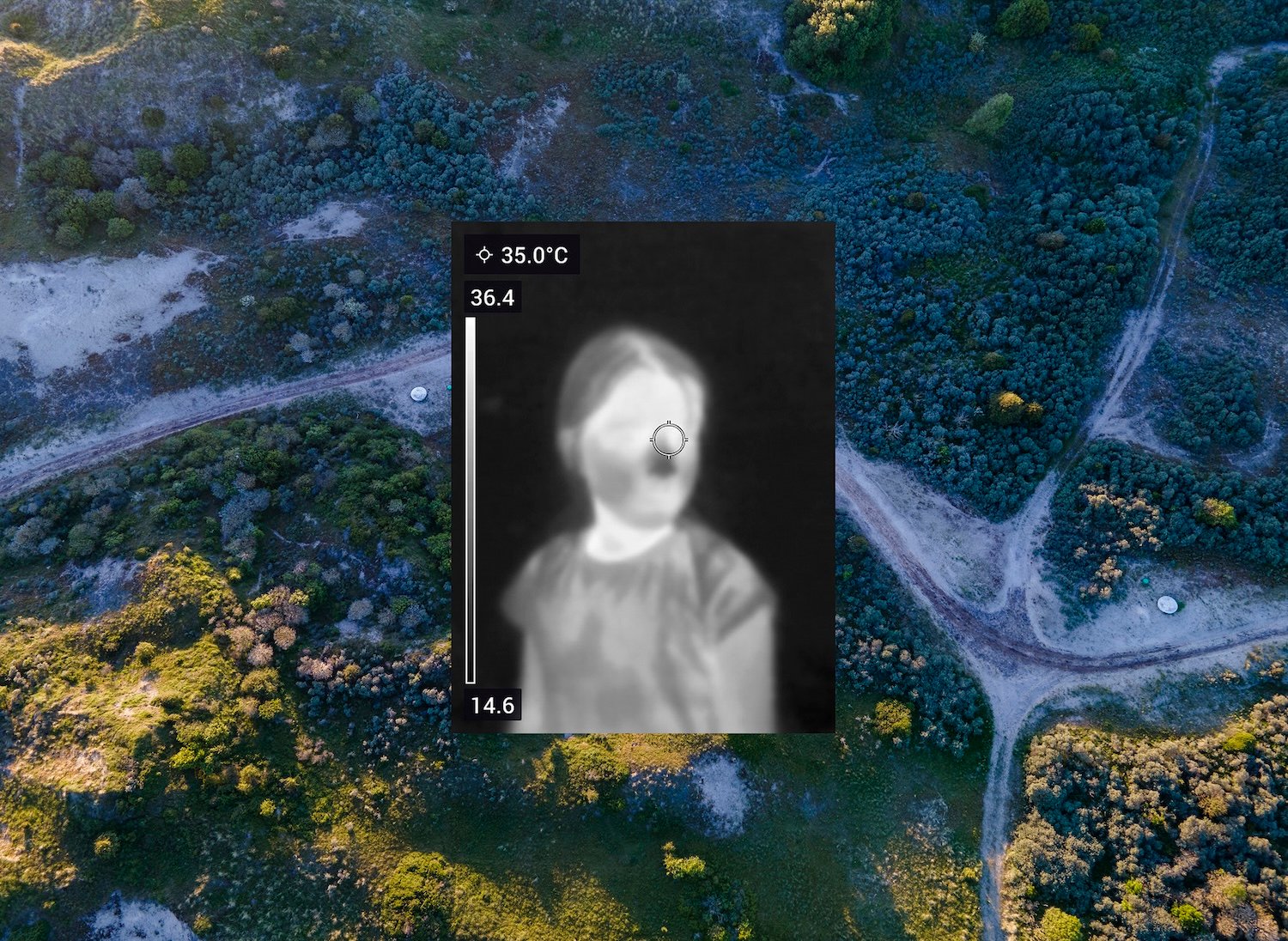
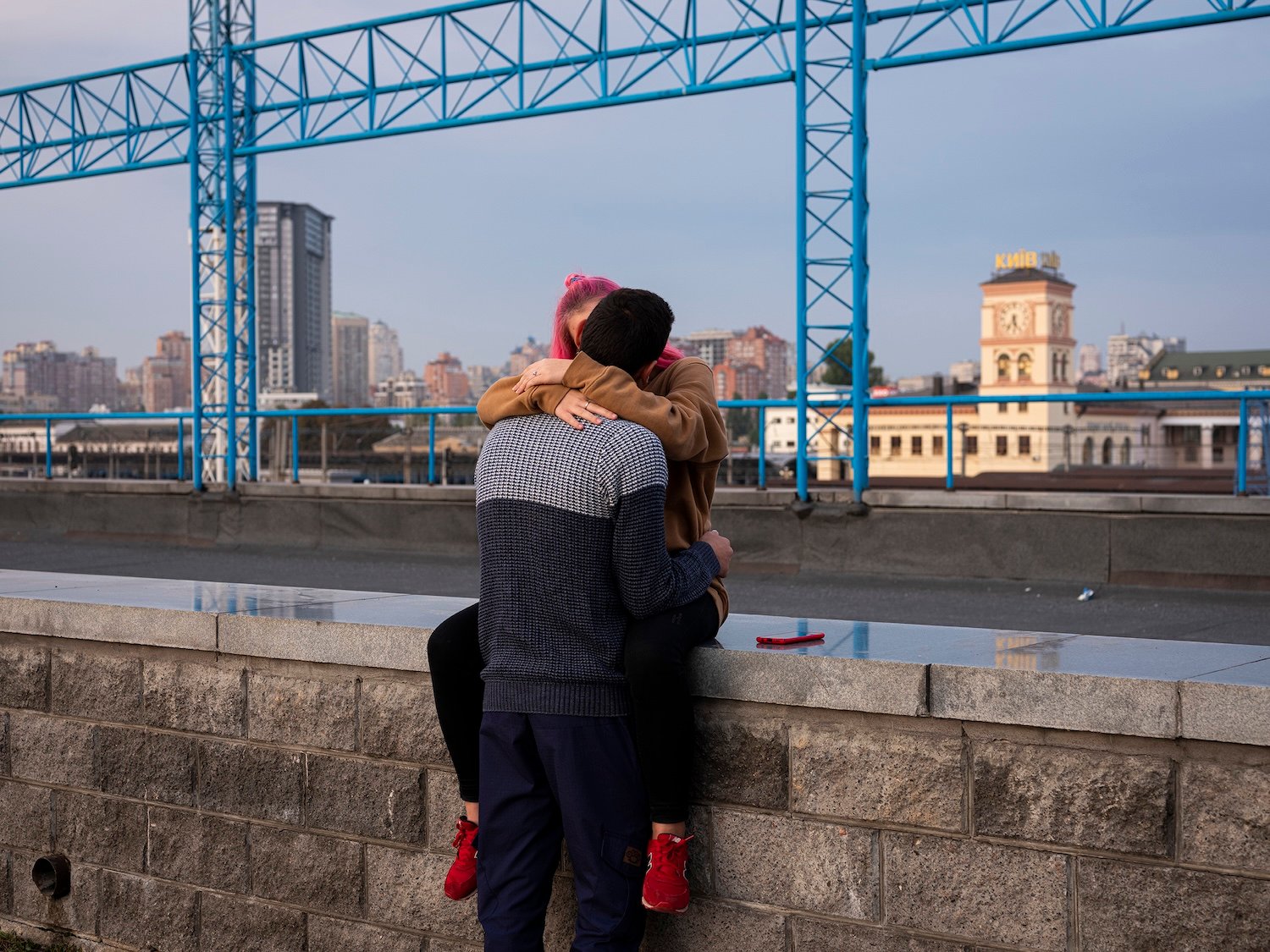
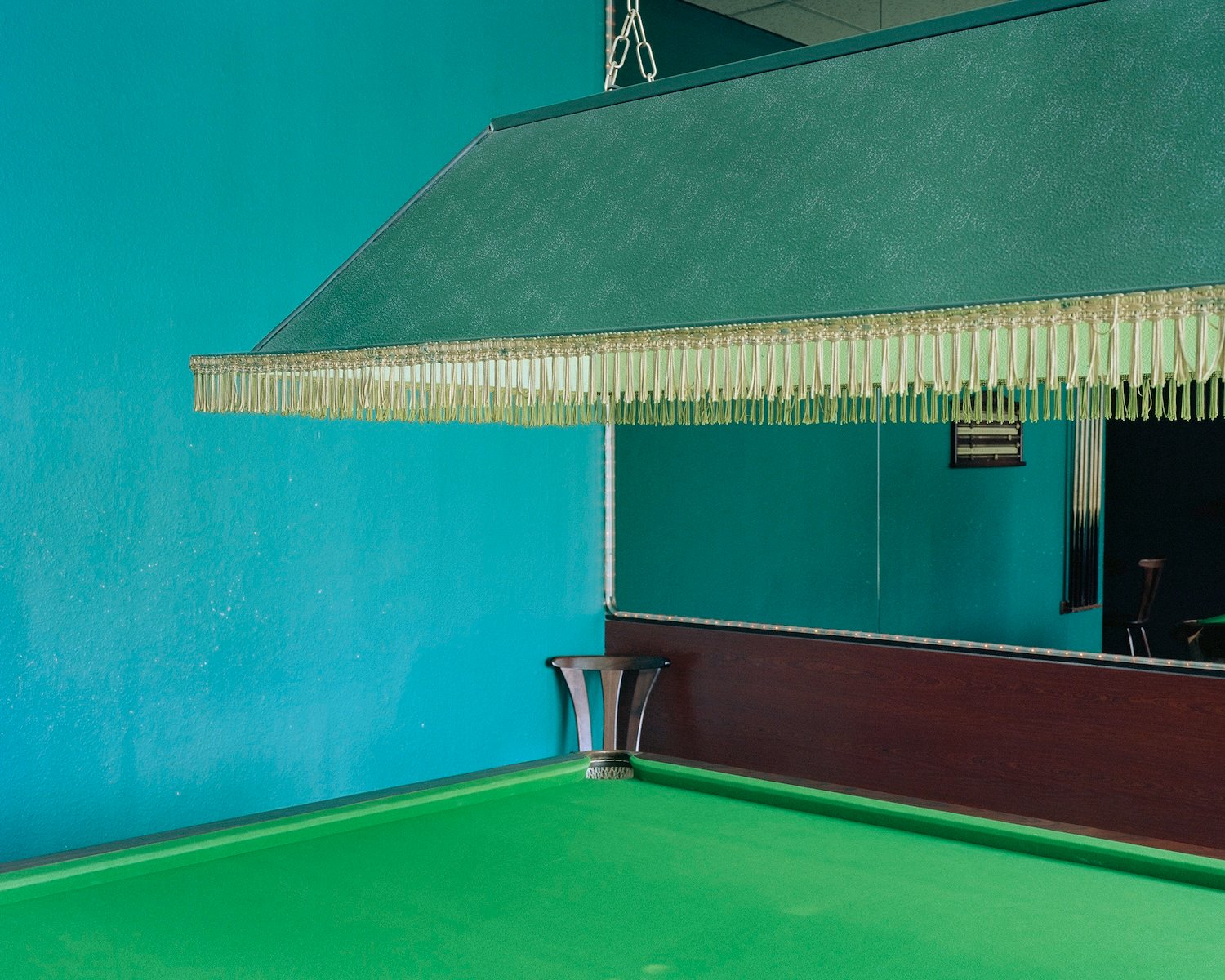
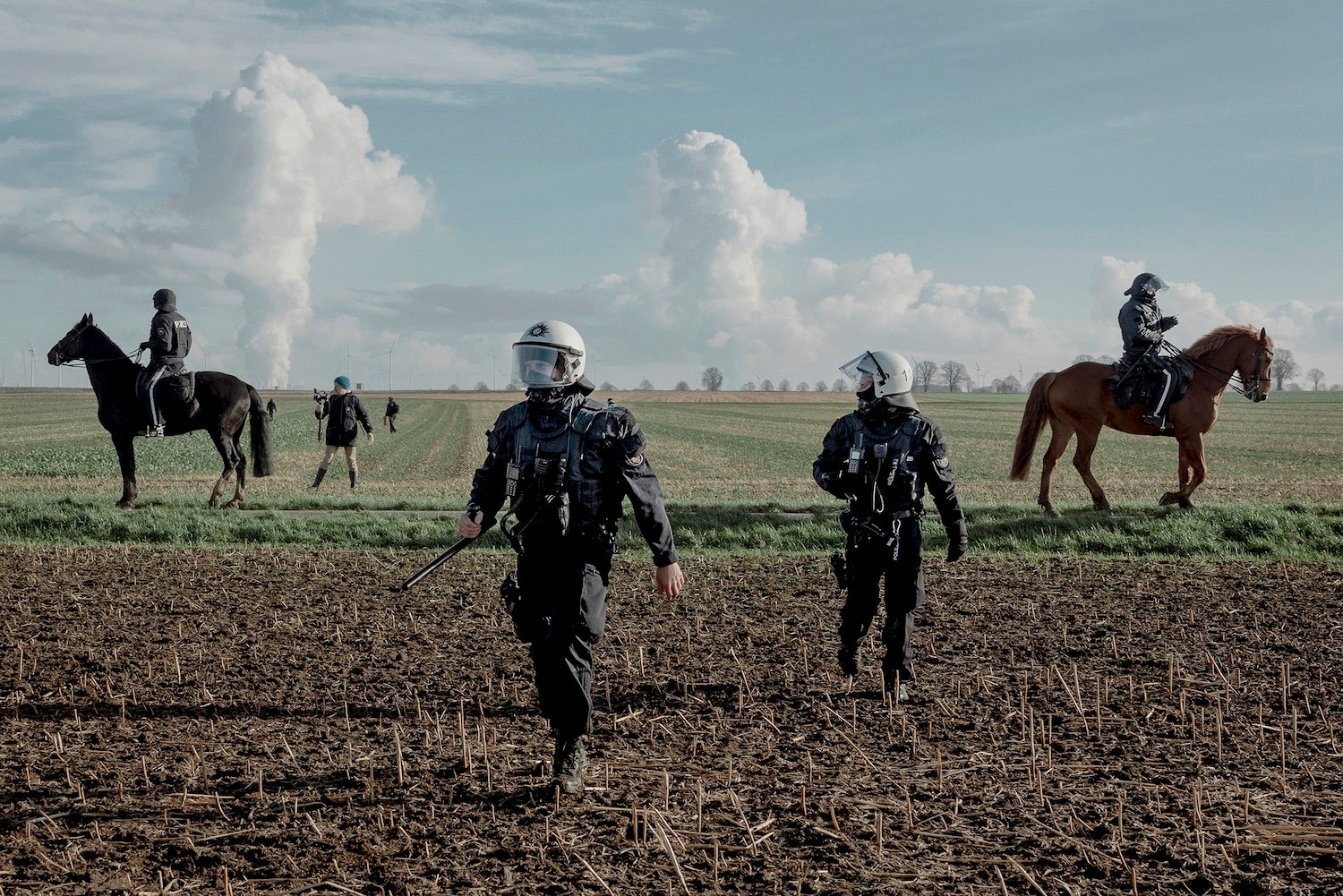
There exists, in the international imagination, a somewhat domesticated and stereotypical image of Denmark: orderly, functional, balanced. This representation, often grounded in narratives of social efficiency and urban harmony, tends to simplify the complexity of the country’s cultural dynamics. New Danish Photography #02, the second edition of the biennial series published by Disko Bay in collaboration with Spine Studio and Dansk Dokumentarisme, intervenes precisely in this zone of simplification. Through twelve photographic series by both established and emerging authors, the volume constructs an aesthetic and documentary laboratory in which the social, environmental, and cultural fabric of Denmark is examined with rigor and sensitivity.
The book’s architecture—twelve projects, each allotted twenty pages—establishes a narrative progression that balances immersion with critical distance. Its physical qualities—20 × 27 cm, 256 pages, 177 color plates—serve not only formal purposes but also function as an epistemological device that encourages slowness, suspension, and contemplation. In a visual landscape dominated by rapidly consumed digital imagery, the decision to foreground a solid, material book takes on an oppositional significance: the volume becomes an act of resistance against the algorithmic acceleration of contemporary vision, reasserting a qualitative temporality in viewing. Emil Ryge’s preface emphasizes this gesture of withdrawal from the incessant flow of images; the goal is not to produce instantly consumable content but to establish a contemplative space—an oasis of attention where readers may cultivate both distance and depth.
The ensemble of authors—Anders Birger, Michella Bredahl, Frederik Danielsen, Peter Funch, Jón Bjarni Hjartarson, Frida Lisa Carstensen Jersø, Louise Herrche Serup, Sarah Hartvigsen Juncker, Anne Lass, Lasse Bak Mejlvang, Mads Nissen, Oliver Thrane, and Christian Falck Wolff—creates a heterogeneous panorama of photographic practice inhabiting the threshold between art and documentary. The works do not seek belonging to a single genre; rather, they occupy an intermediate space in which photography operates simultaneously as testimony and interpretation. This oscillation constitutes one of the most compelling qualities of the volume: images are not presented as mere evidence of the real but as forms of thought, as autonomous narrative structures. The Denmark that emerges from these projects diverges markedly from the linear and harmonious nation often portrayed abroad. The series reveal subtle tensions, shifting identities, social vulnerabilities, marginal environments, and communities in transition, outlining a country undergoing profound transformations that become visible through the attentiveness of the photographers.
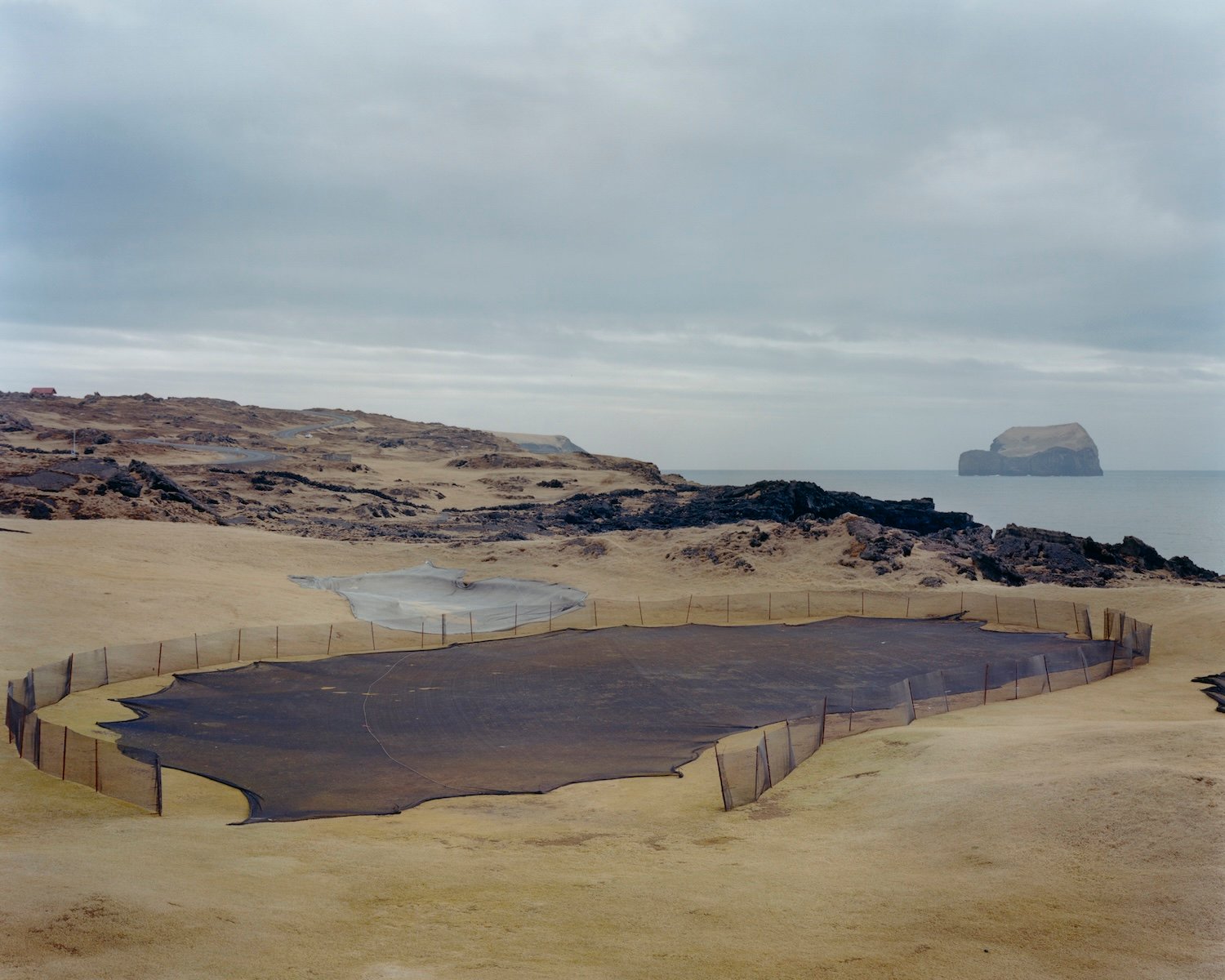
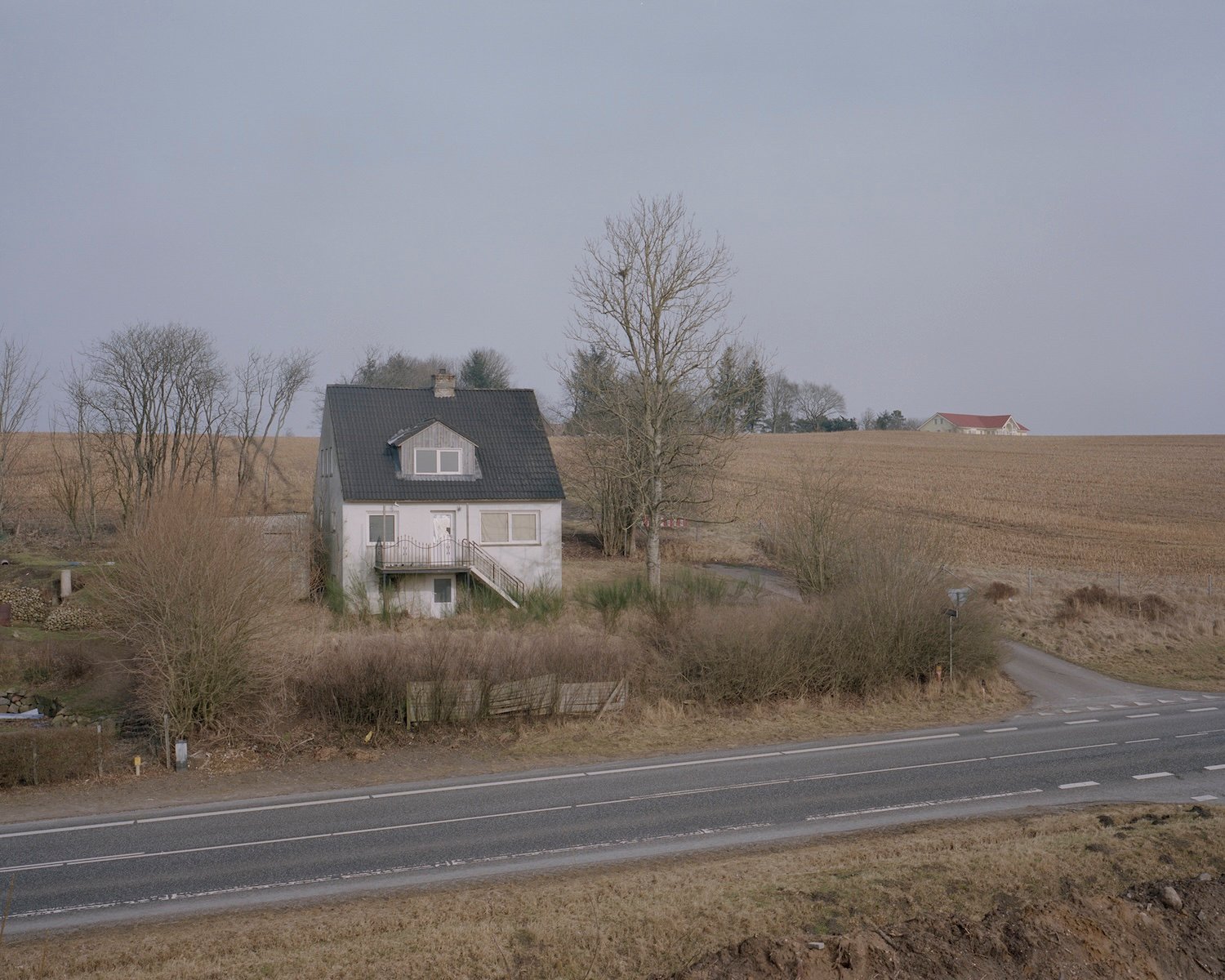
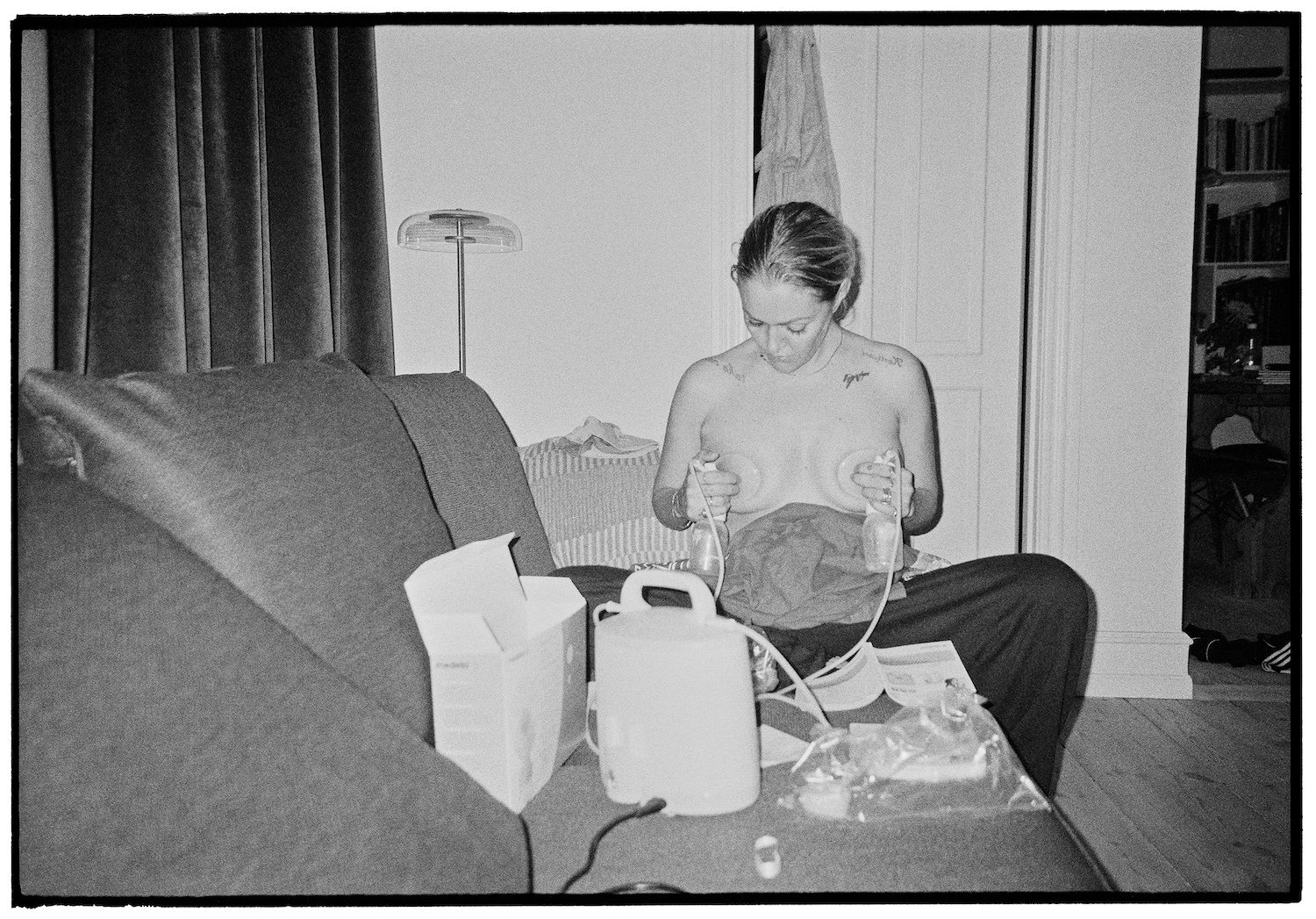
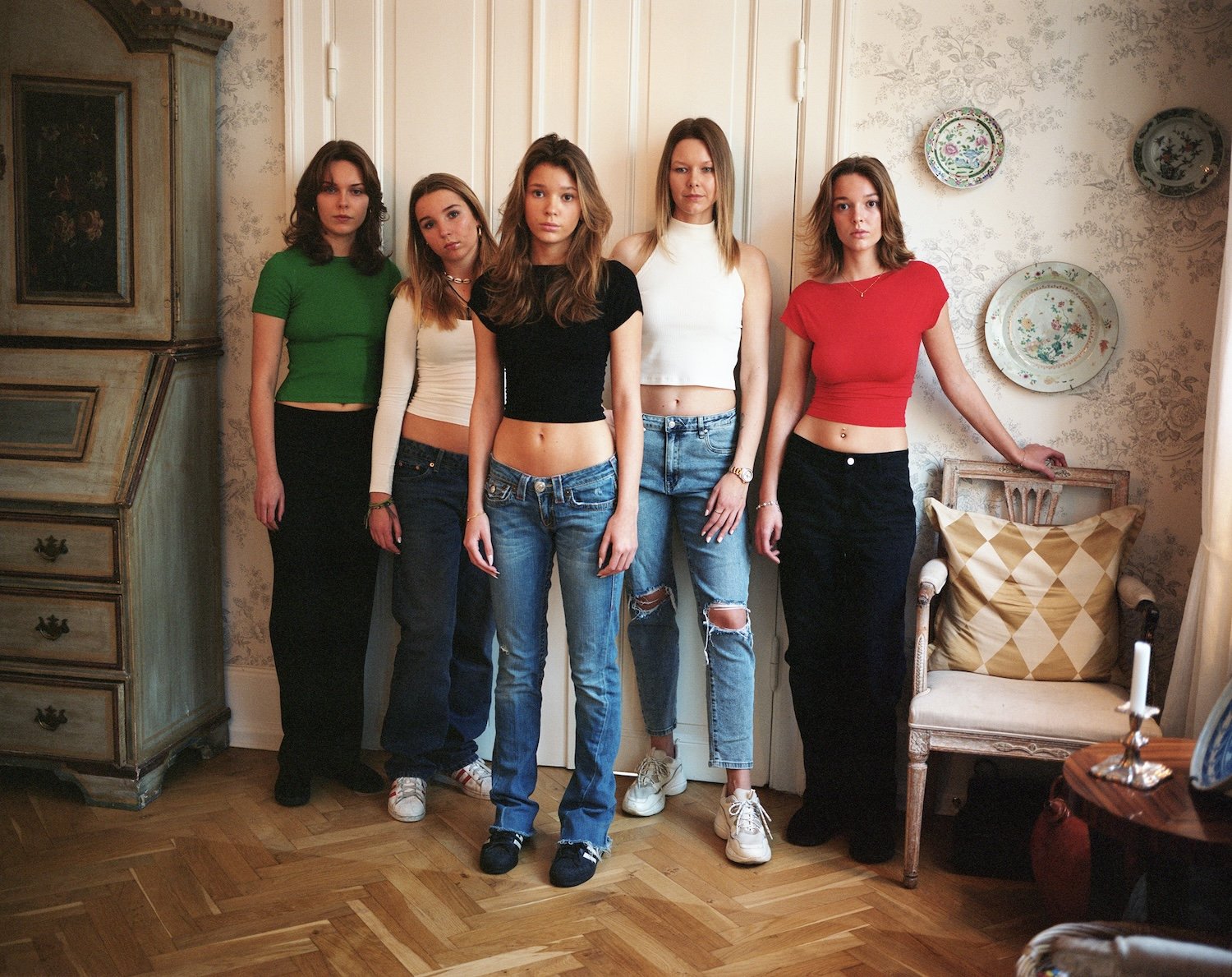
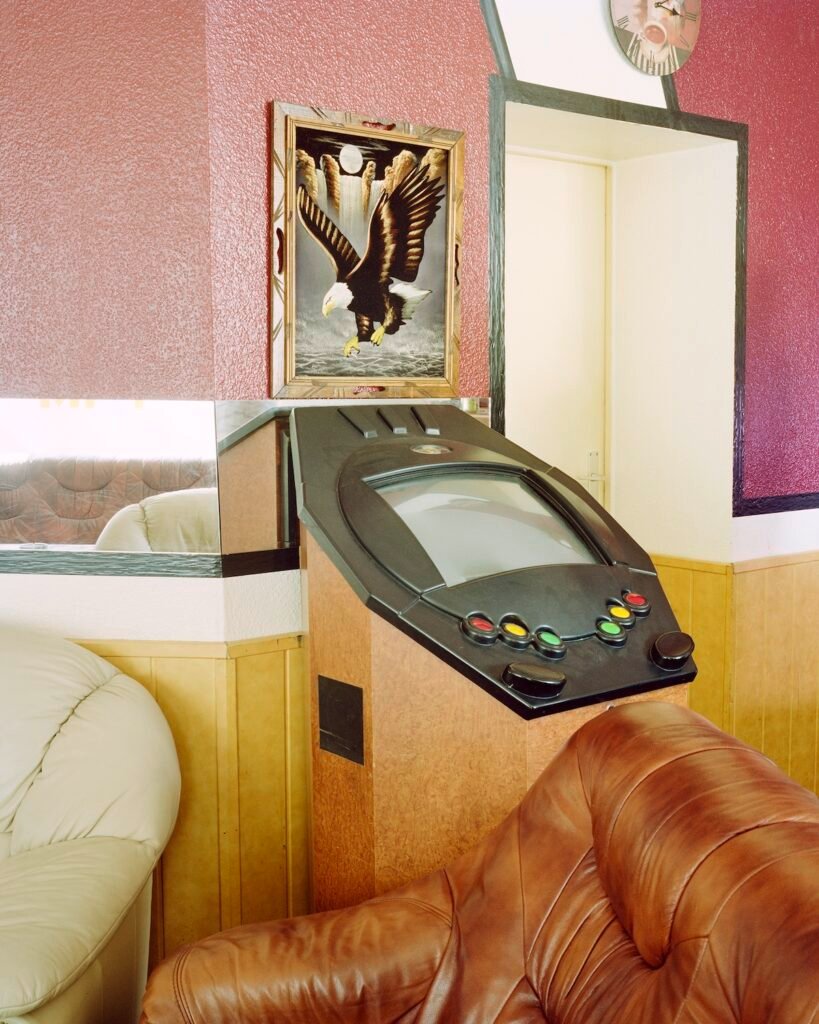
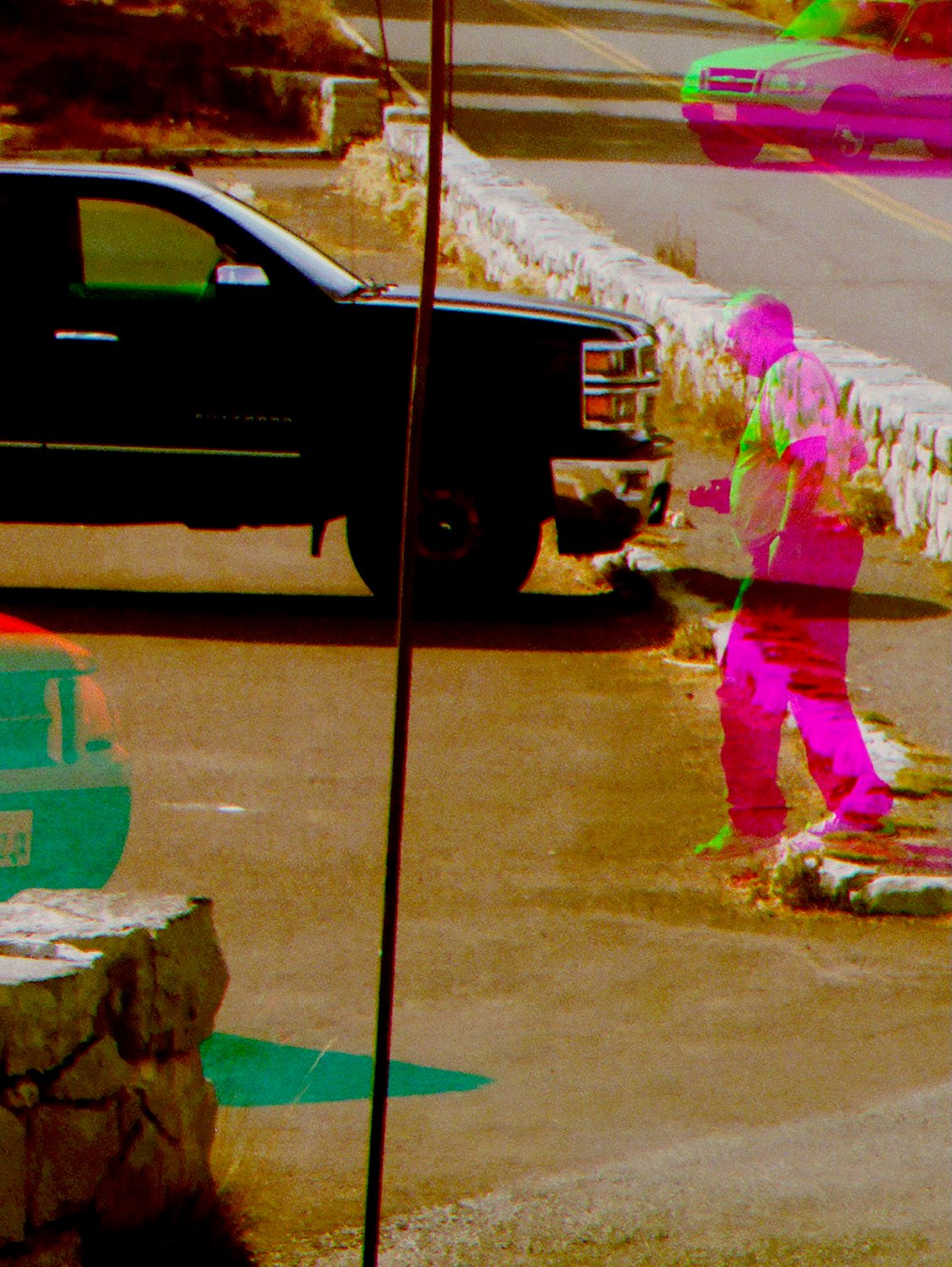
Everyday life appears throughout the projects not as a simple visual inventory but as a critical terrain. The images focus on micro-situations capable of illuminating broader phenomena: urban and rural landscapes, domestic interiors, liminal spaces, posed portraits and spontaneous encounters collectively form a mosaic of narratives that, despite their diversity, share a common intention—to interrogate what seems self-evident and reveal its social, political, and aesthetic density. An idealized Denmark does not emerge; instead, the book presents an ecosystem of plural realities marked by contradictions and possibilities.
The materiality of the volume plays a decisive role in shaping its critical value. Through its design, printing quality, sequencing, and visual rhythm, the book functions as a pedagogical tool: it educates the gaze toward complexity, resists superficial interpretation, and encourages slow, methodical observation. Each series requires time, attention, and dedication; the reader is guided through an experience that rejects instant consumption and fosters a sustained dialogue with the images. In this sense, the publication does more than document—it promotes a reeducation of looking, restoring to the act of seeing its analytical dimension.
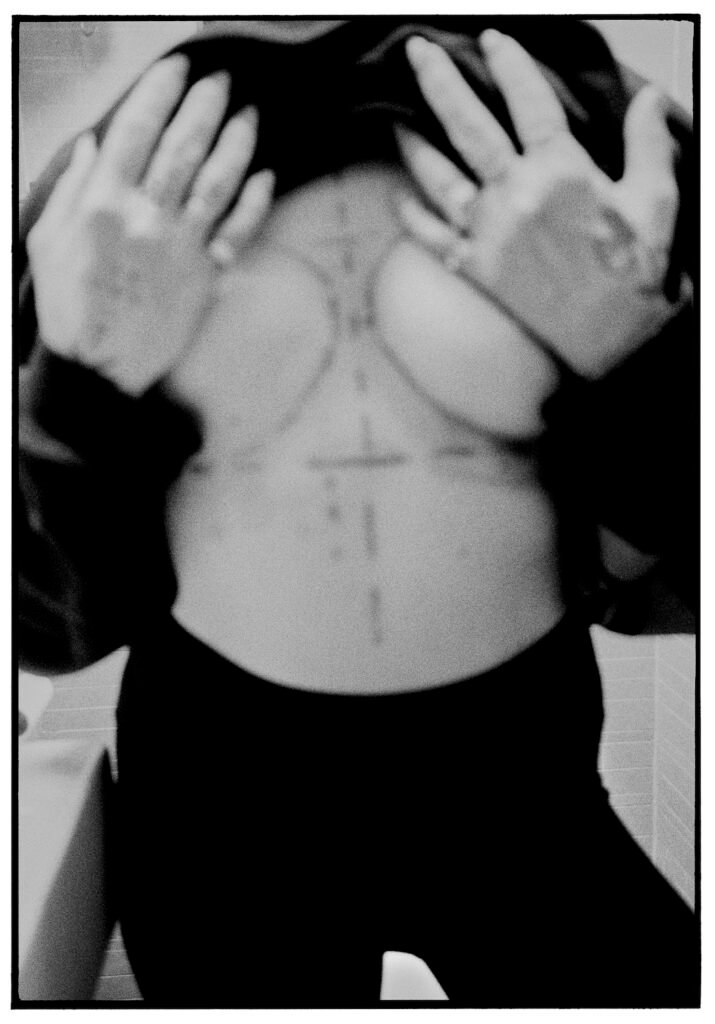
Taken as a whole, New Danish Photography #02 constructs a visual geography that challenges dominant representations of contemporary Denmark. Landscapes appear as sites in transformation, marked by tensions between the natural and the artificial, while portraits reveal complex subjectivities that testify to changing forms of identity and social relations. The plurality of perspectives does not lead to dispersion; instead, it generates a more nuanced and articulated representation of the country, one in which complexity displaces stereotype. The absence of a single thematic framework becomes a methodological strength, enabling a dynamic archive of narrative possibilities that reflect the nature of contemporary life.
Within the broader context of European photographic publishing, the volume stands out for its ability to merge curatorial rigor with interpretative openness. Its value is not only aesthetic but epistemological: the book functions as an inquiry into the role of images in representing reality and shaping collective memory. New Danish Photography #02 thus makes a significant contribution to understanding contemporary Danish photography and, more broadly, to debates surrounding the relationship between image, society, and identity. In a cultural moment characterized by the standardization of vision, the publication asserts the possibility of attentive, critical seeing—a form of visual engagement capable of holding the world without simplifying it.