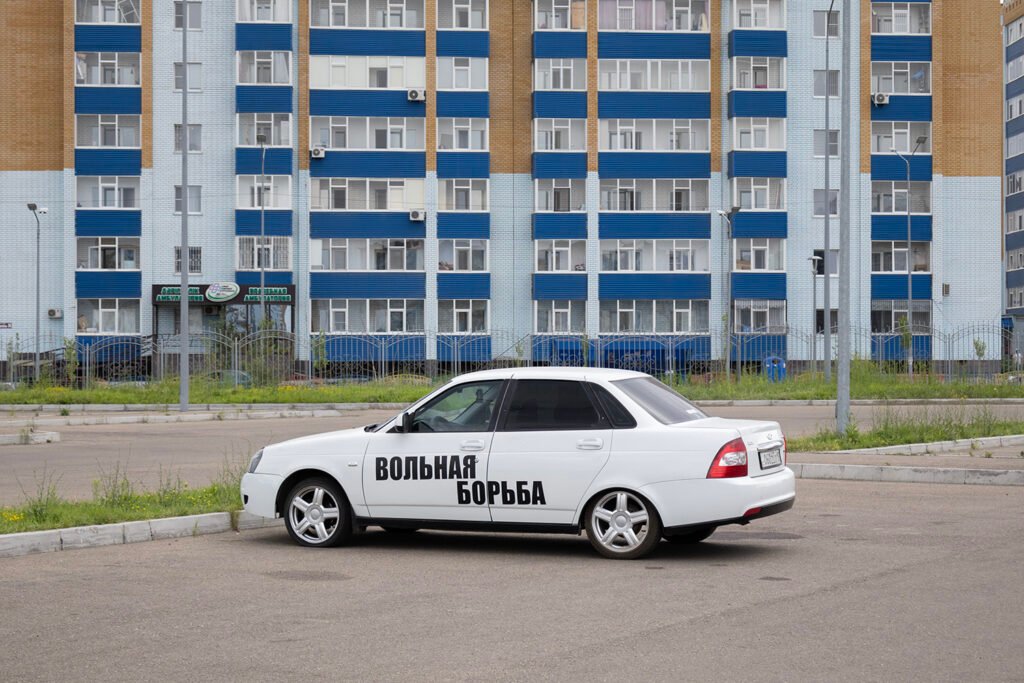
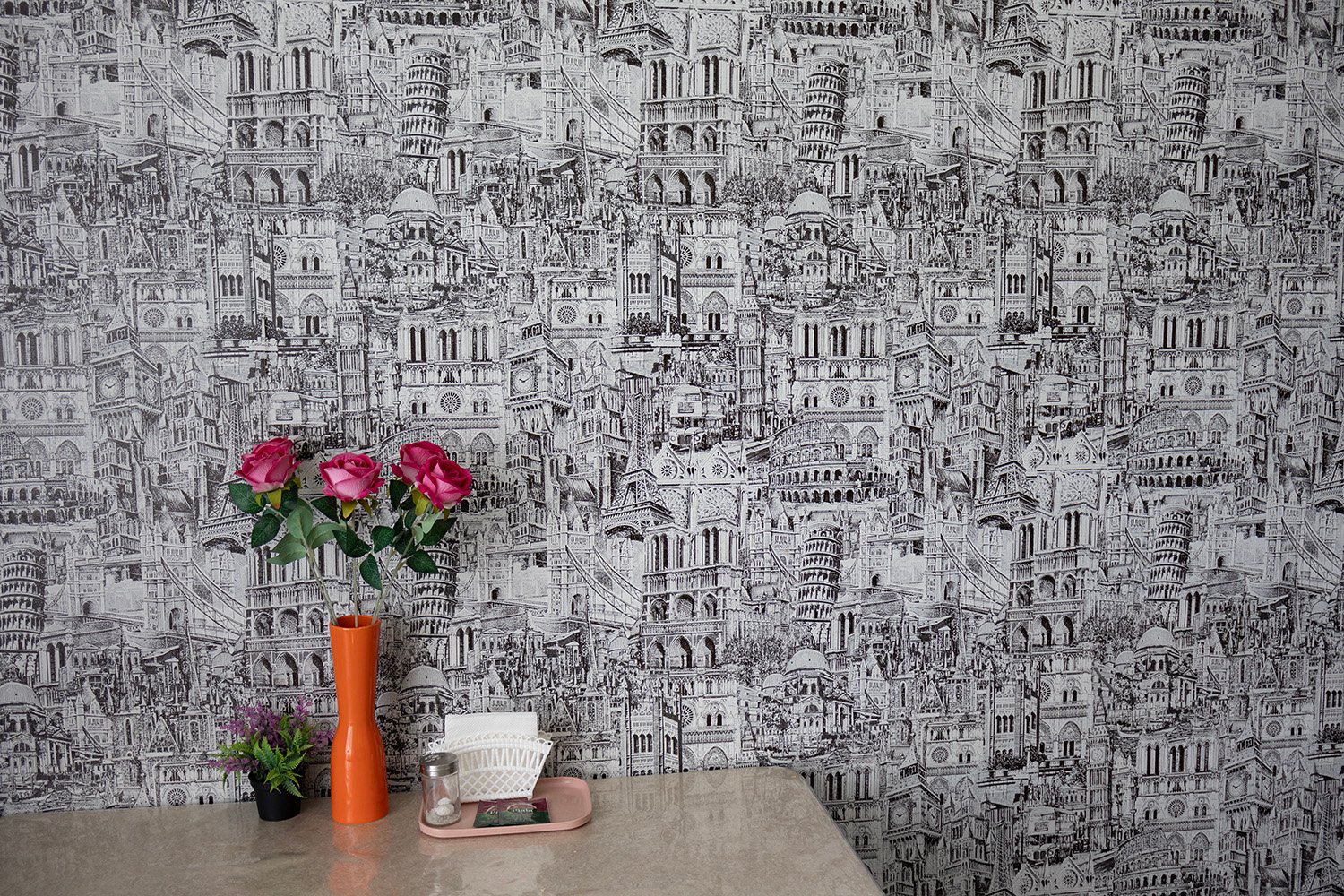
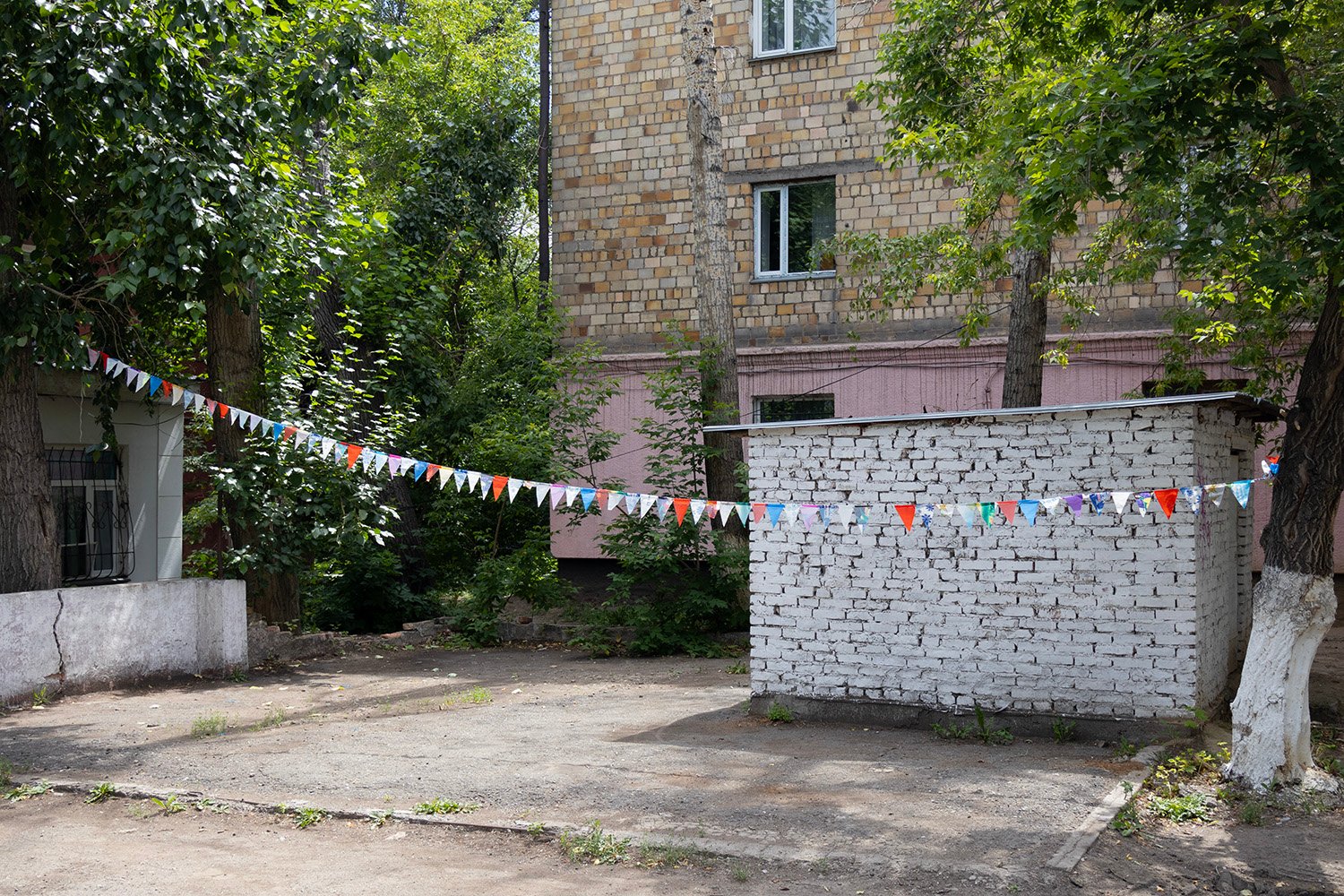
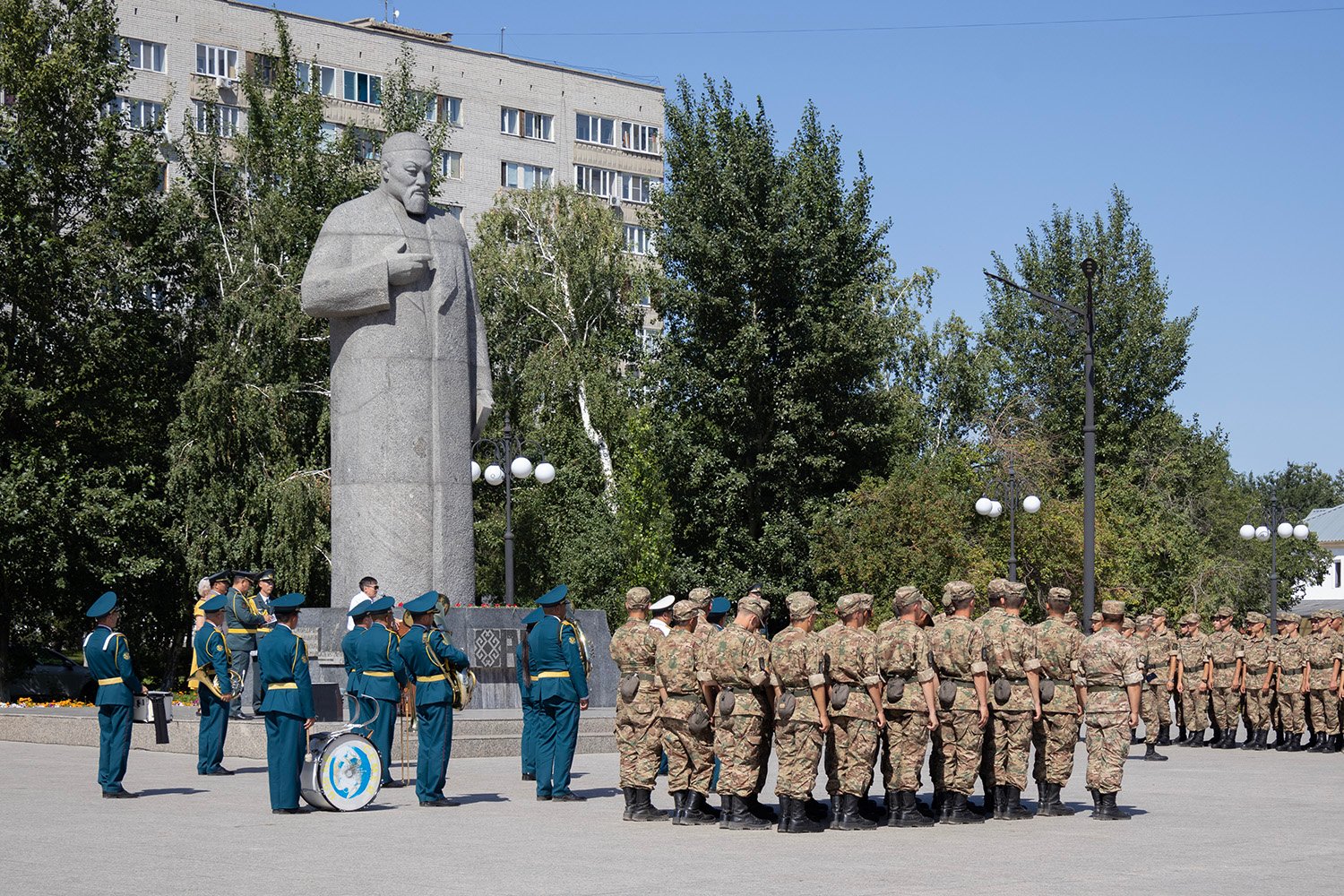
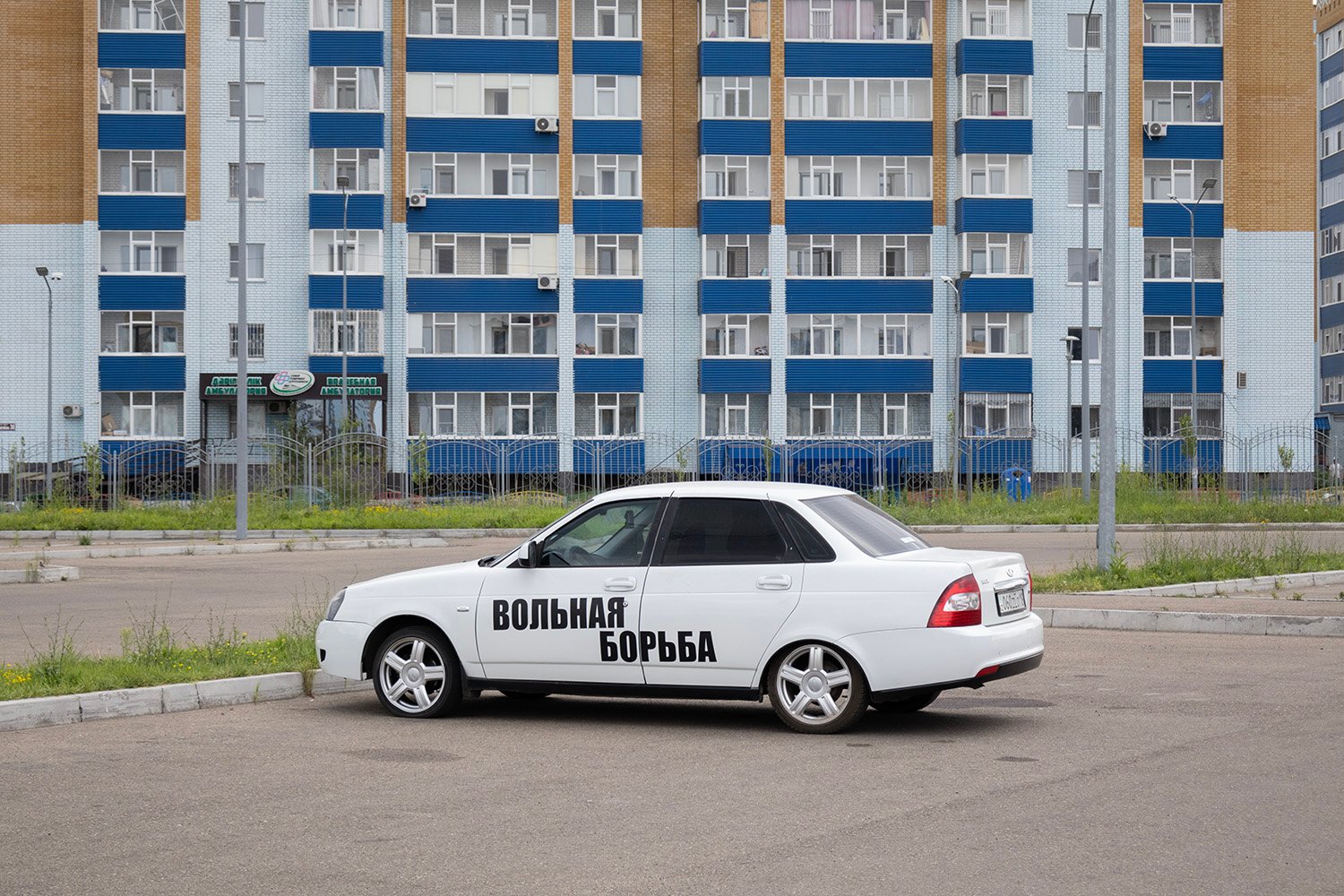
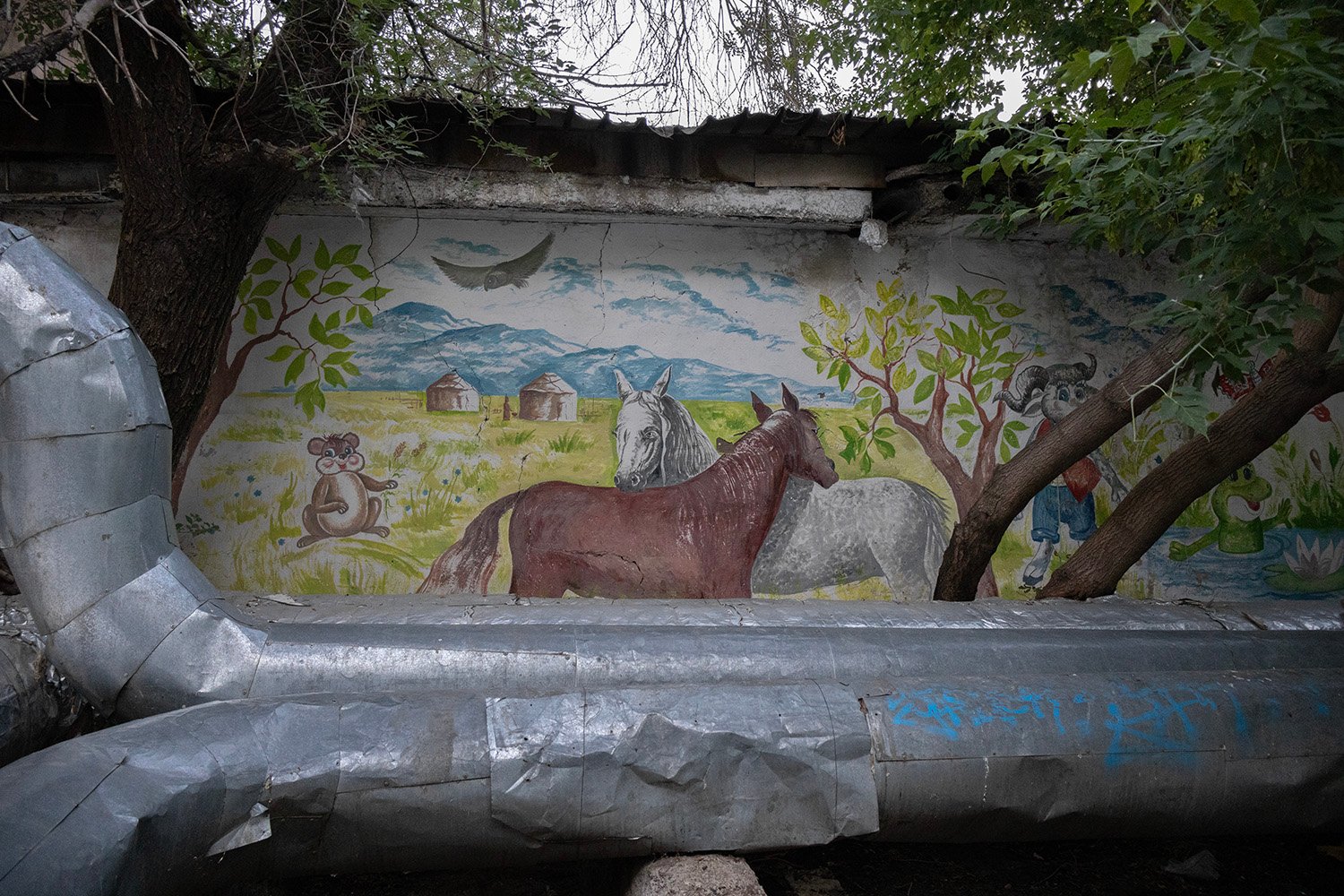
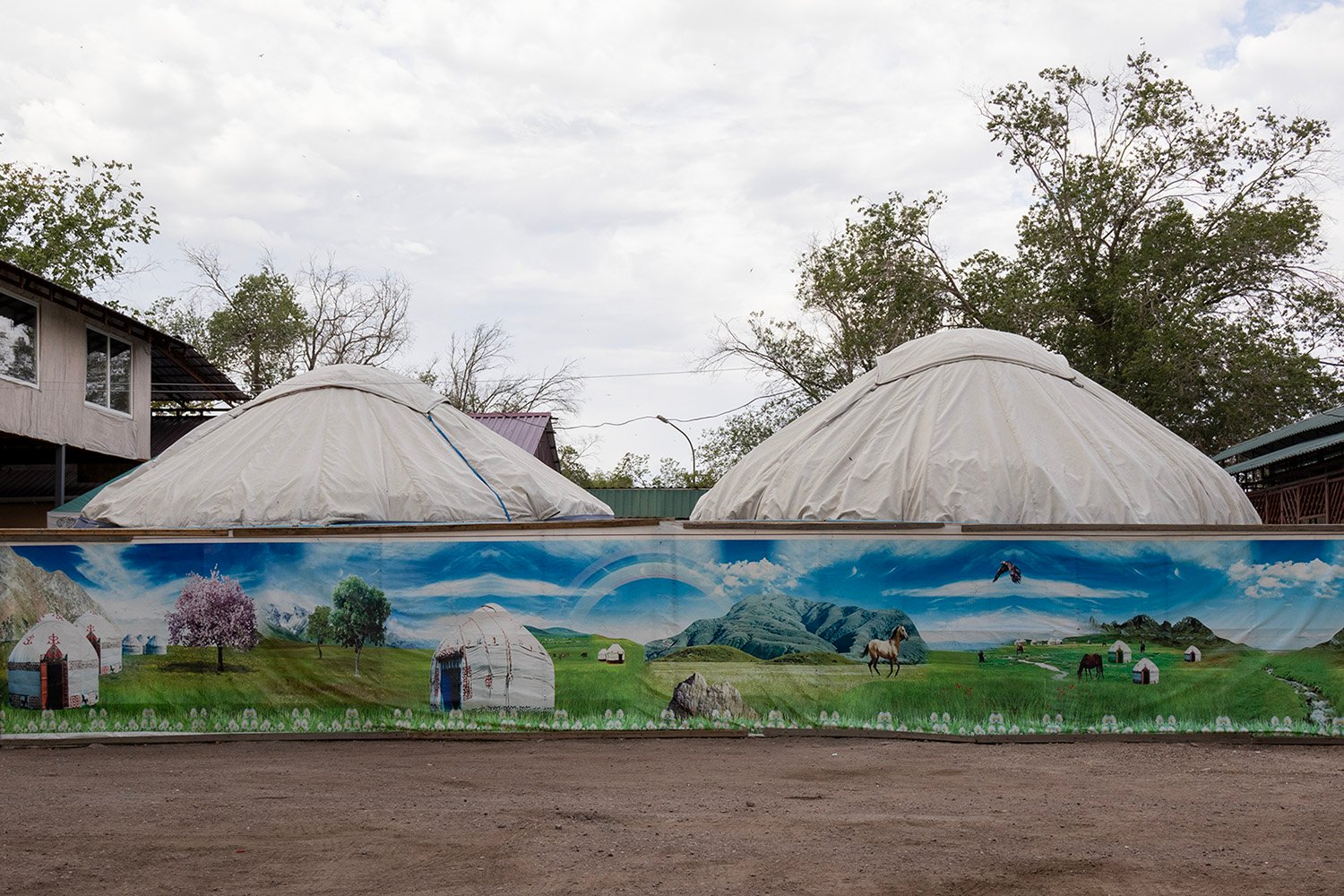
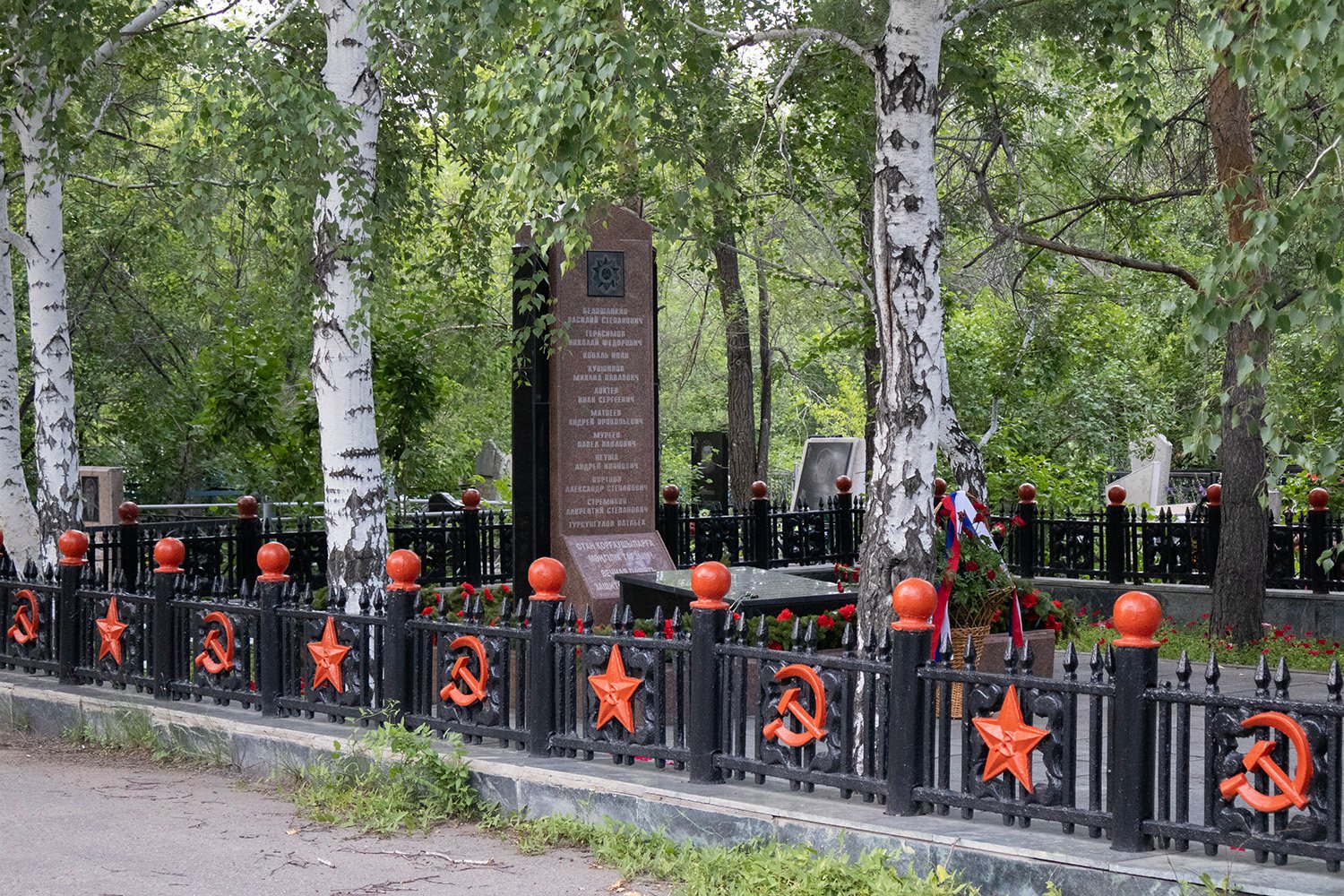
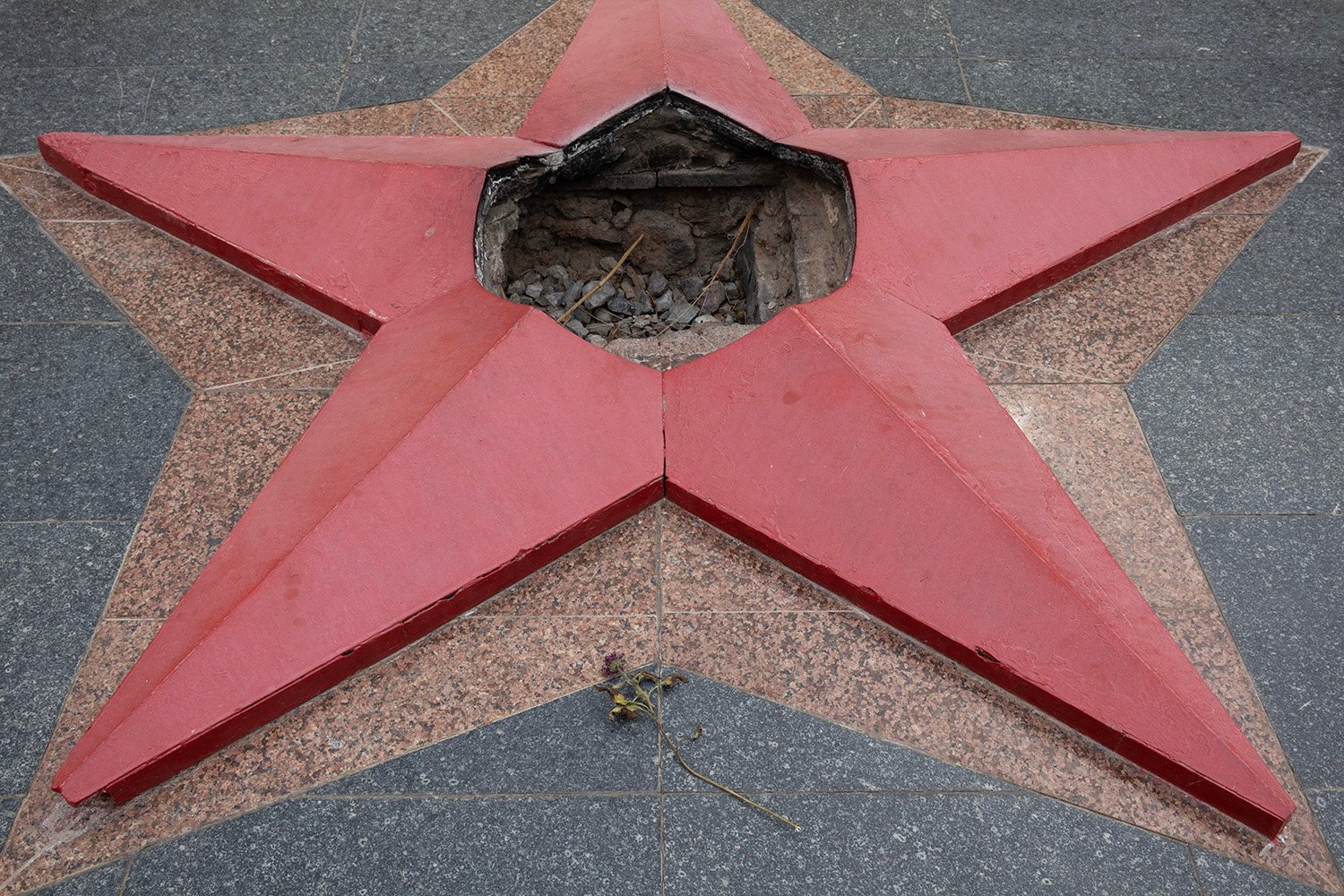
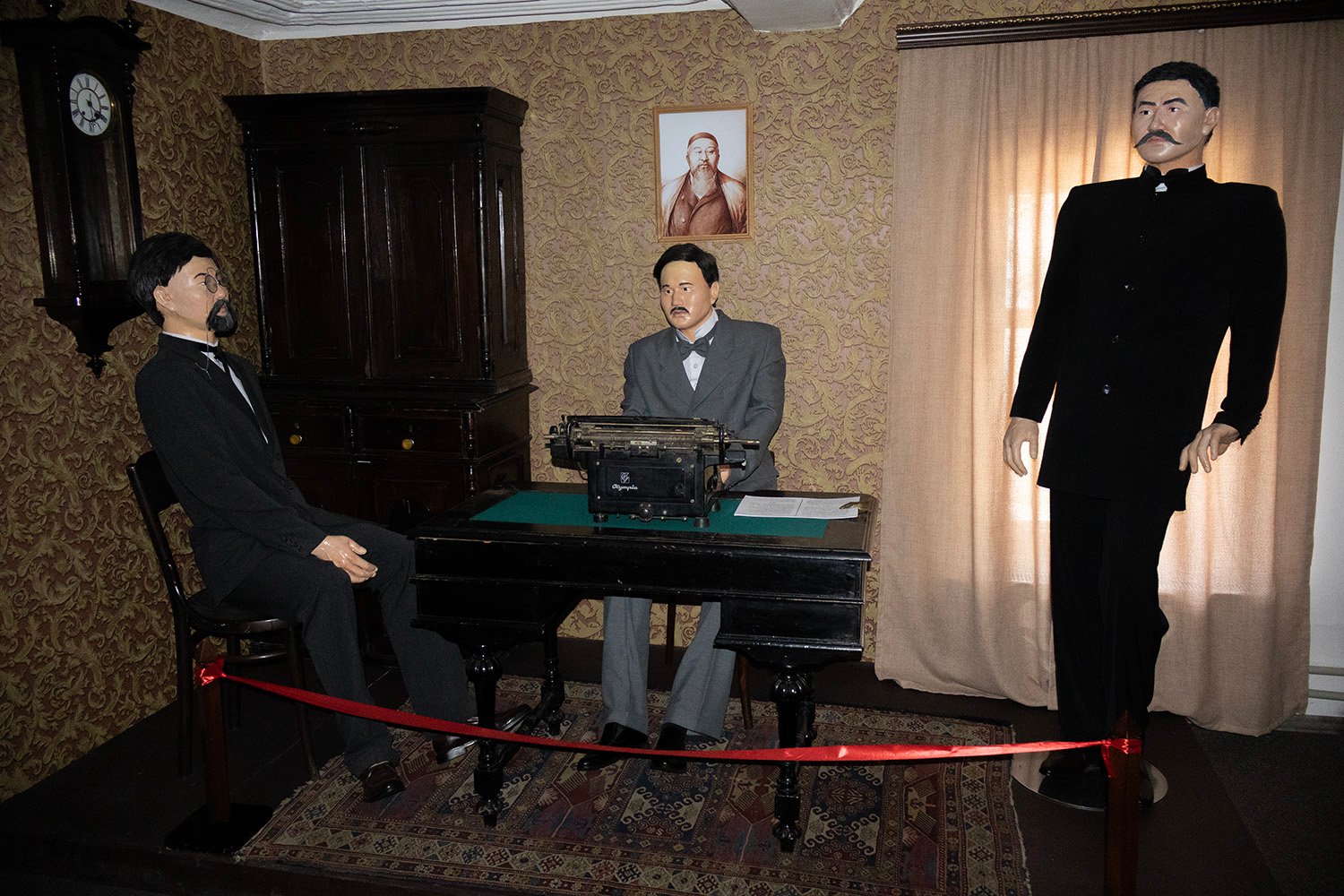
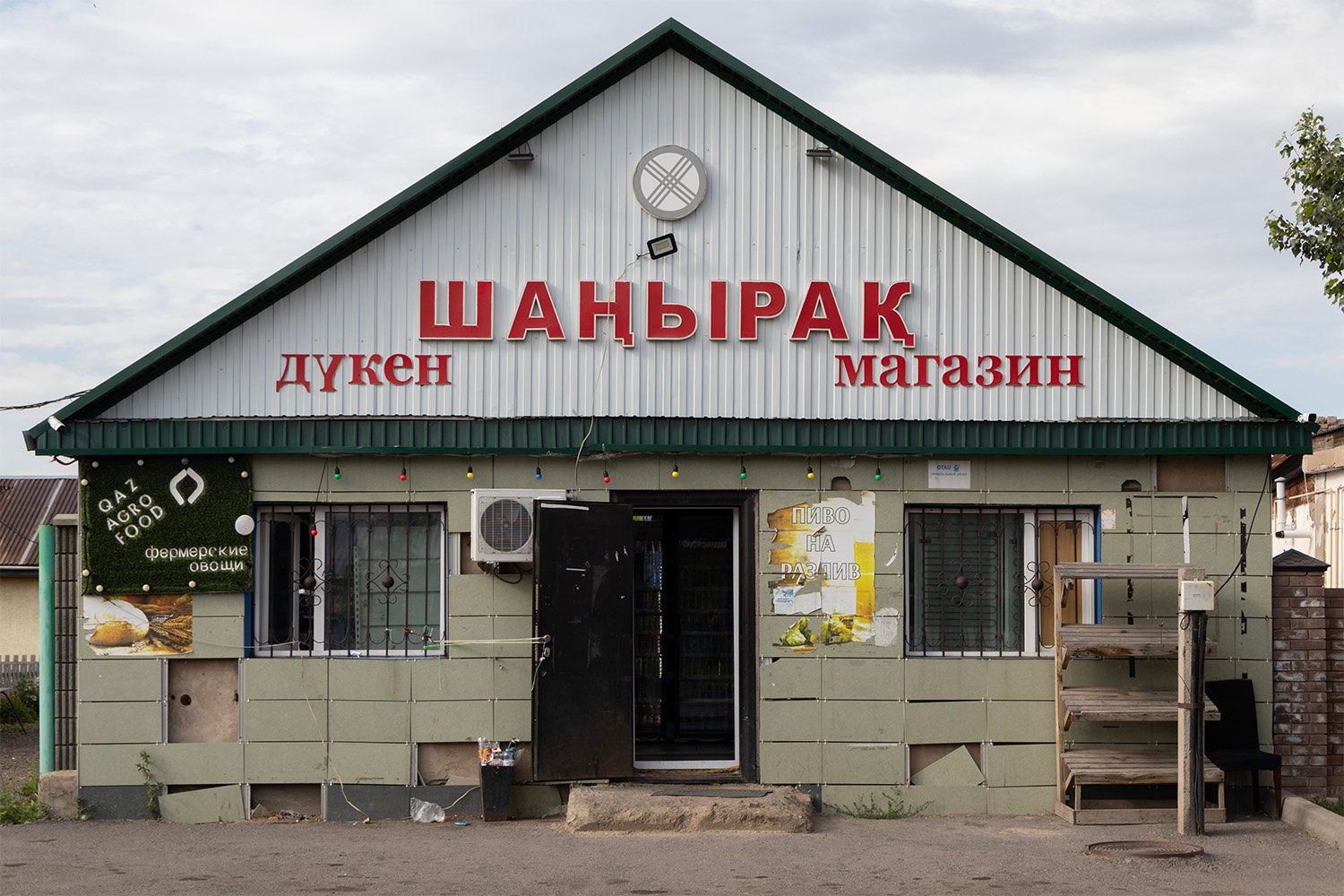
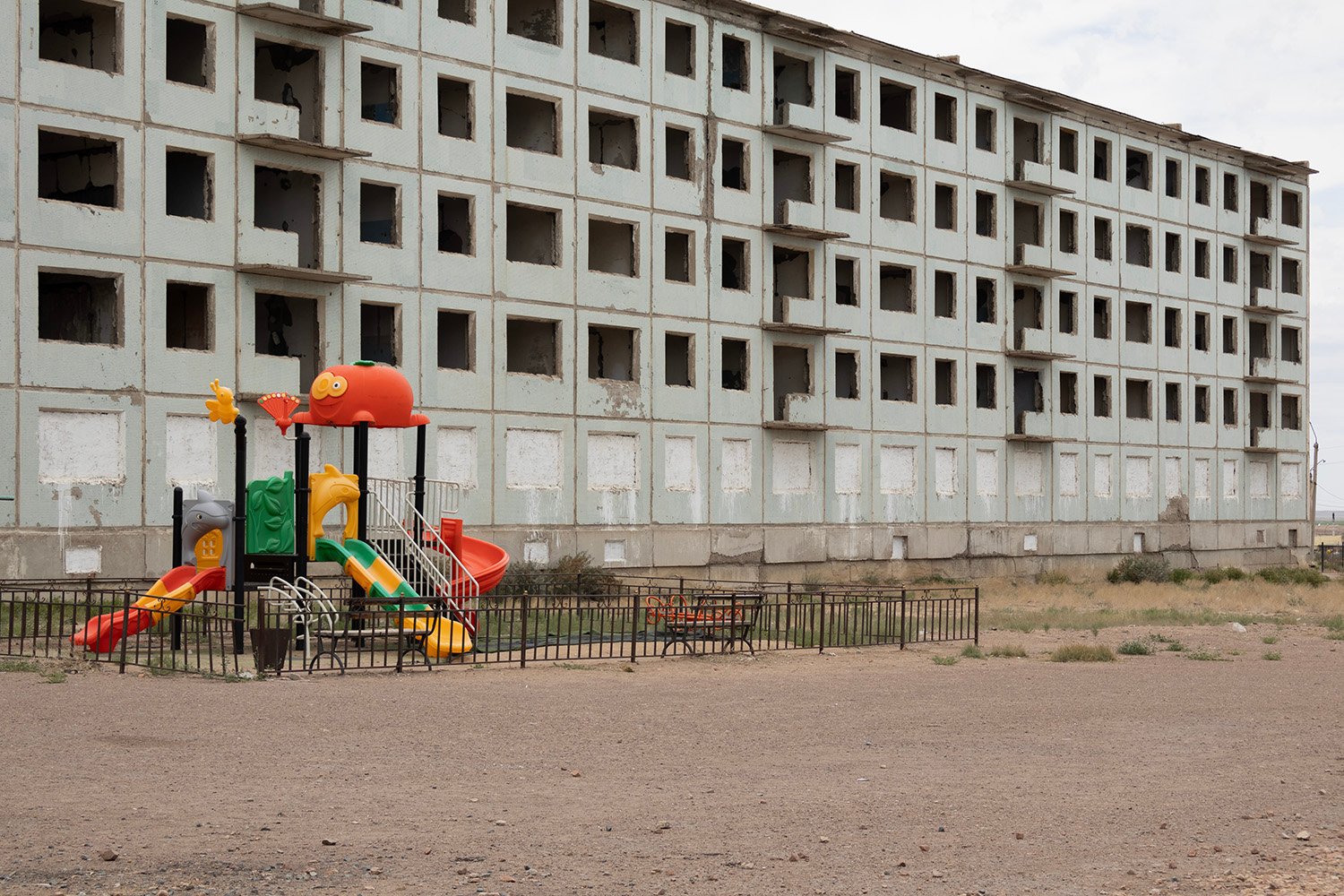
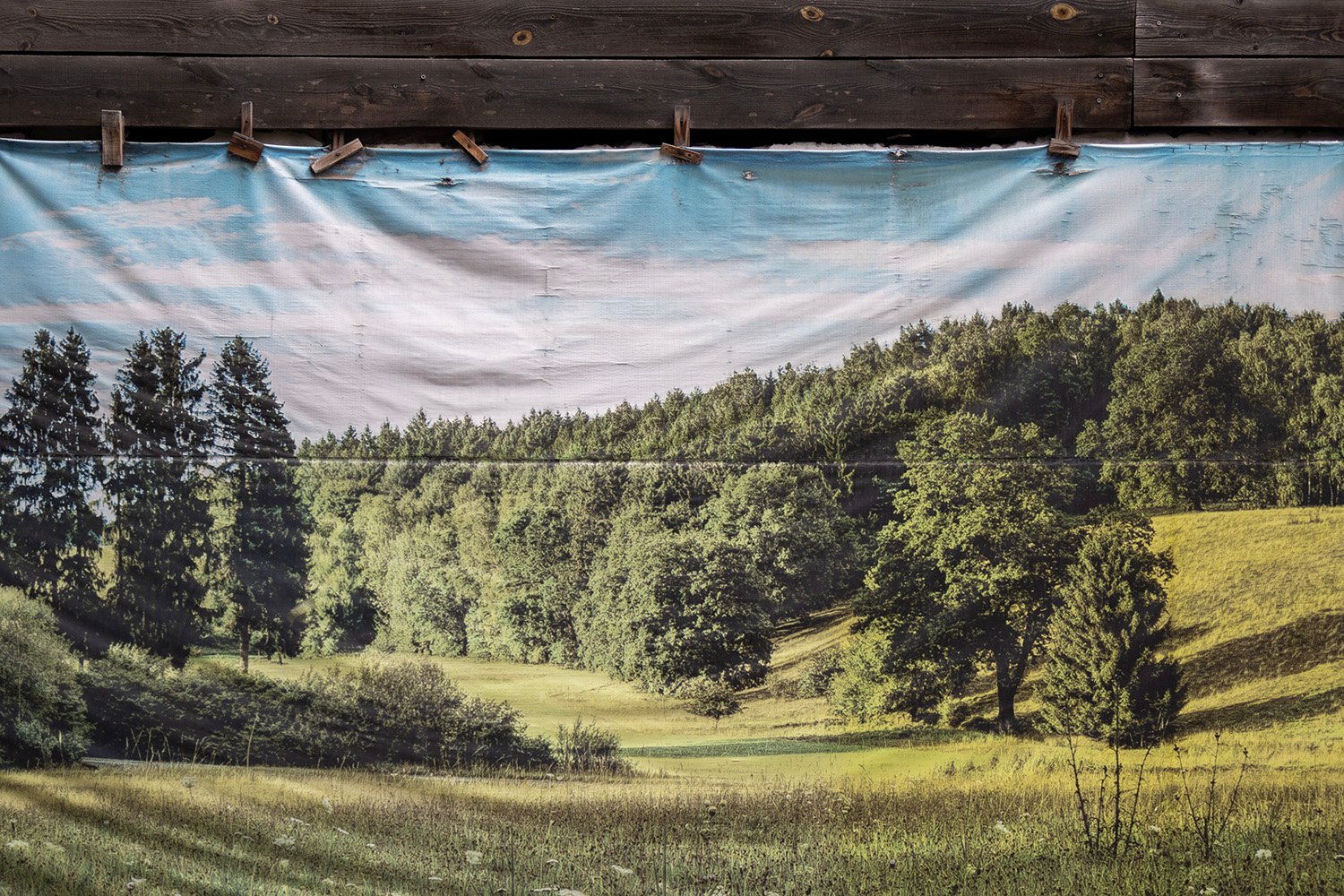
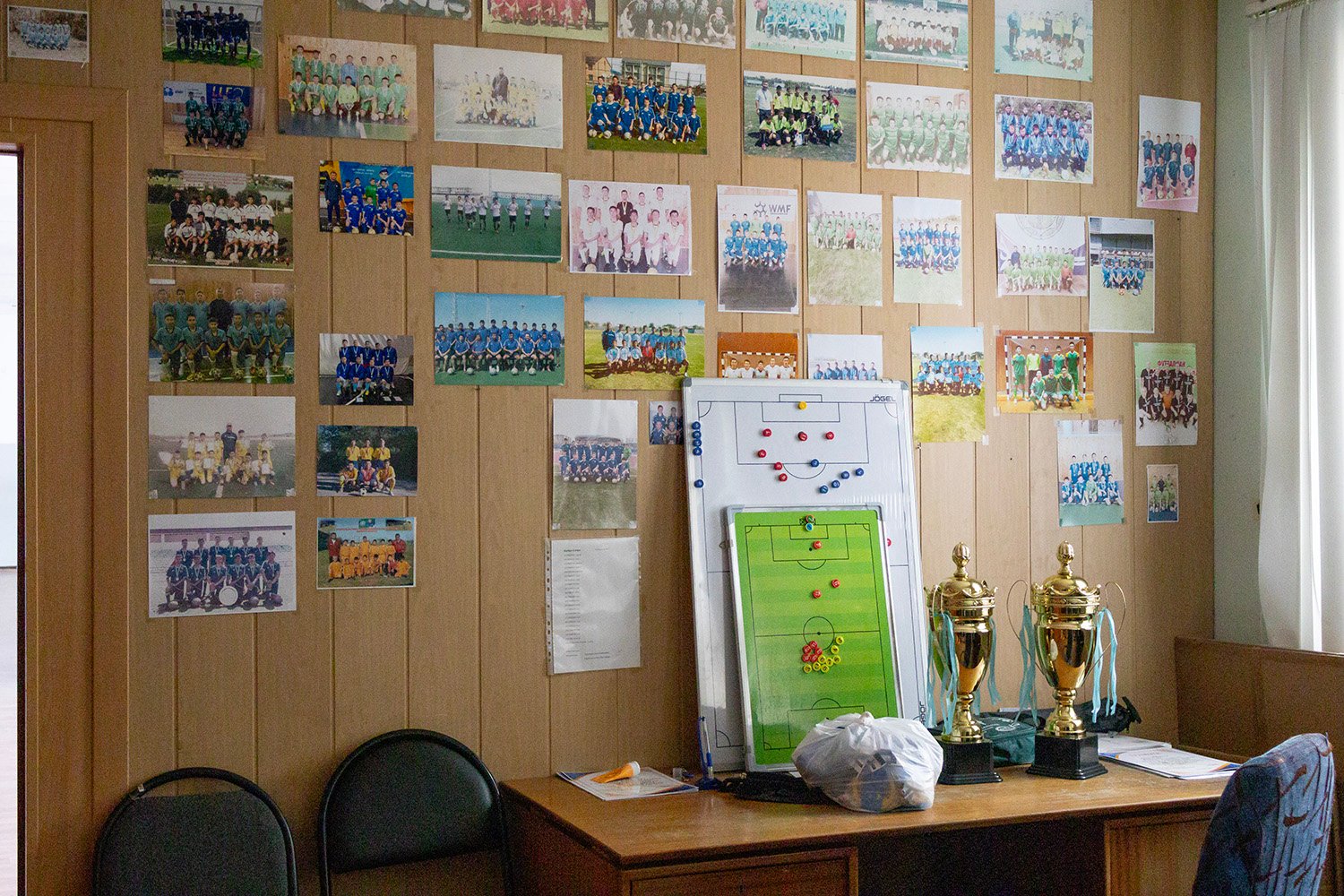
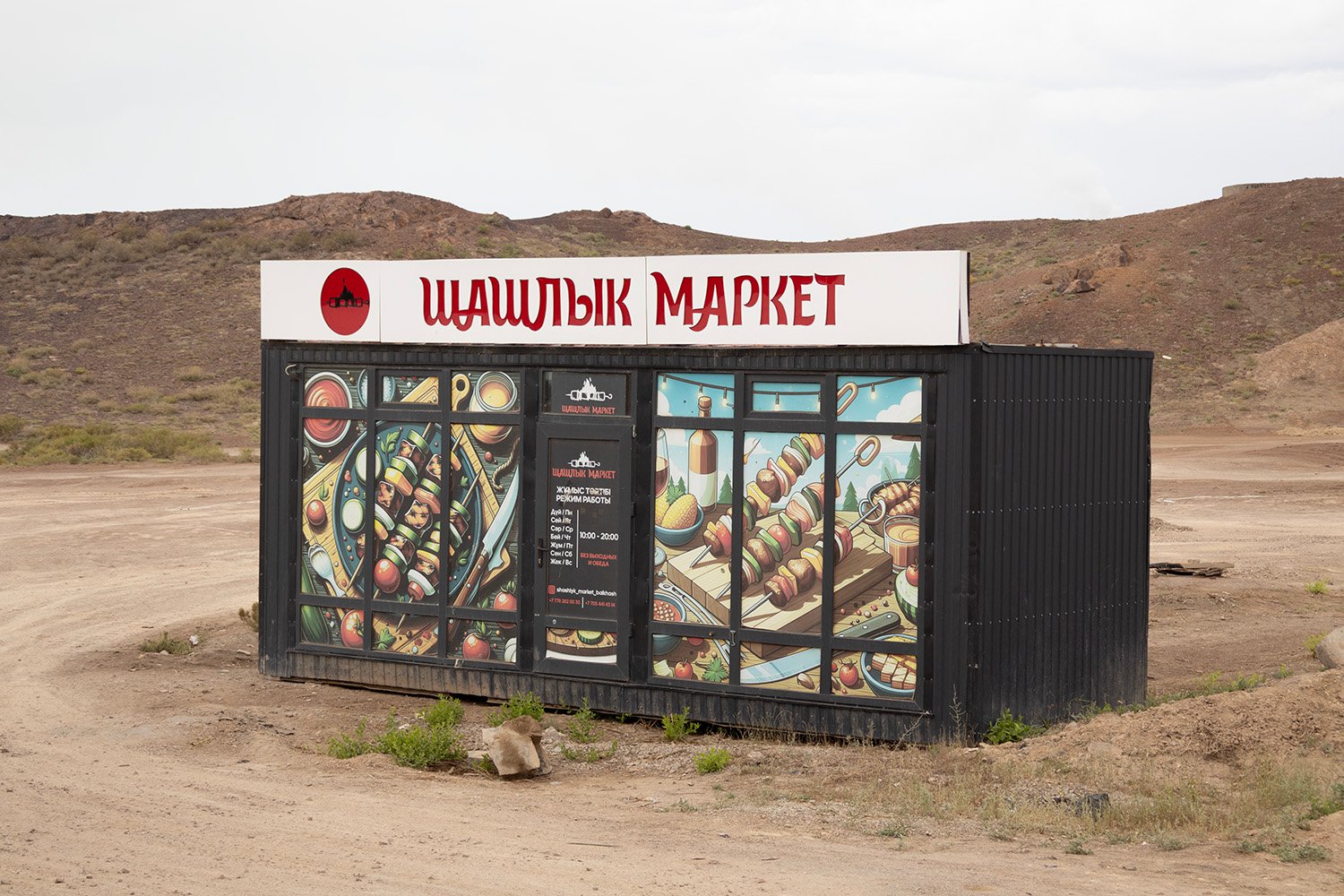
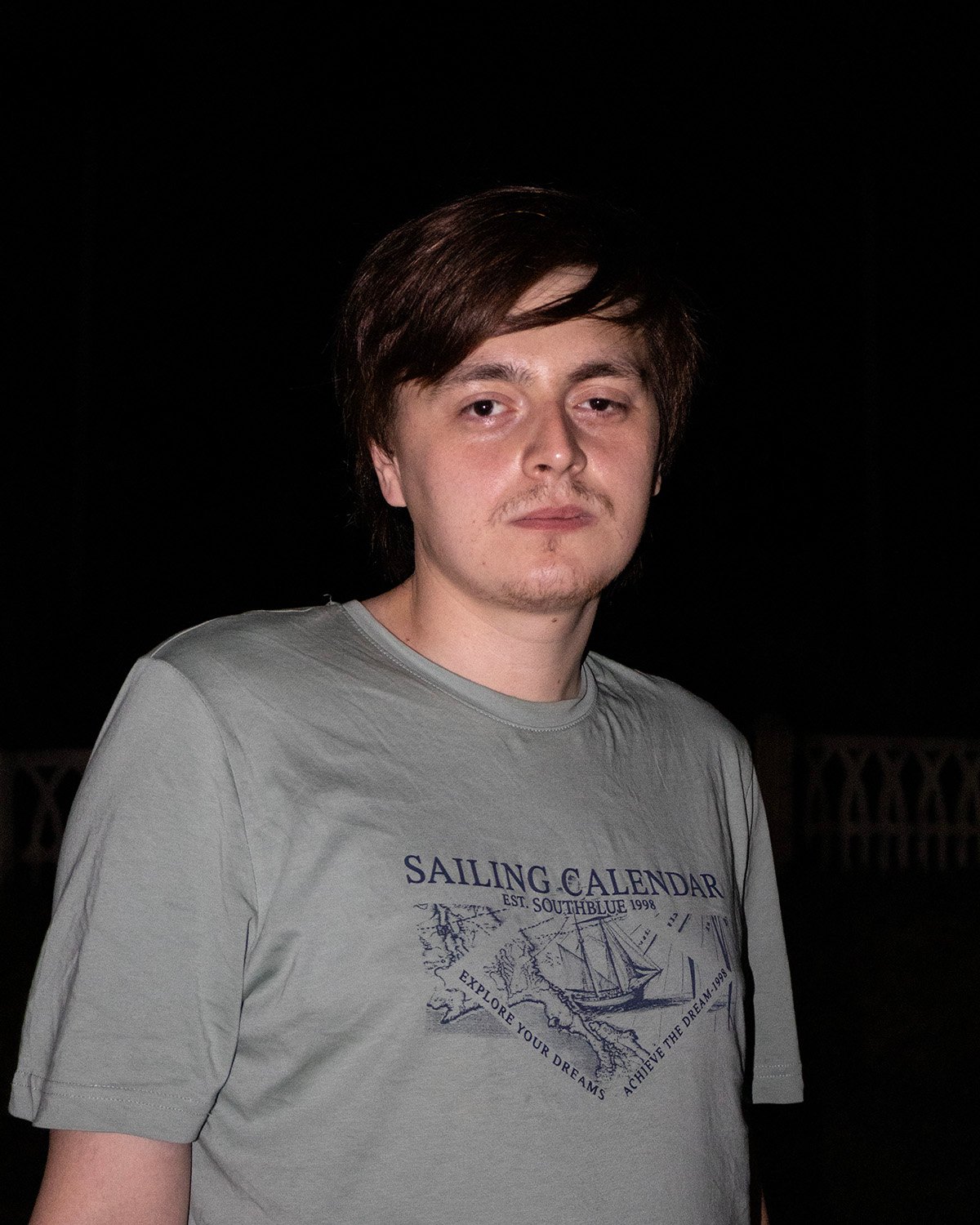
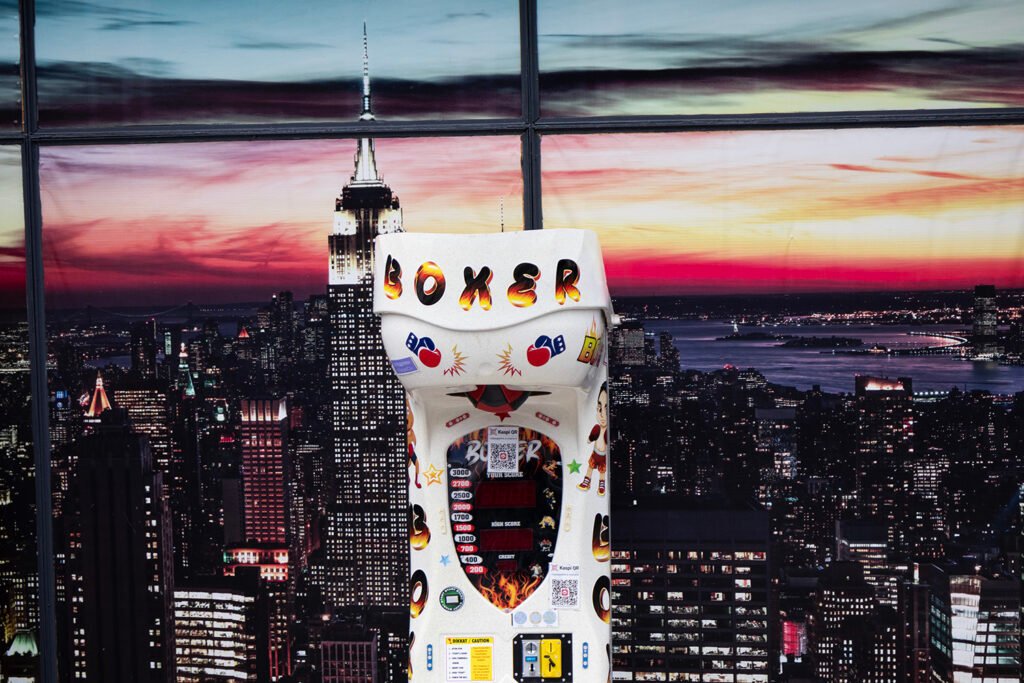
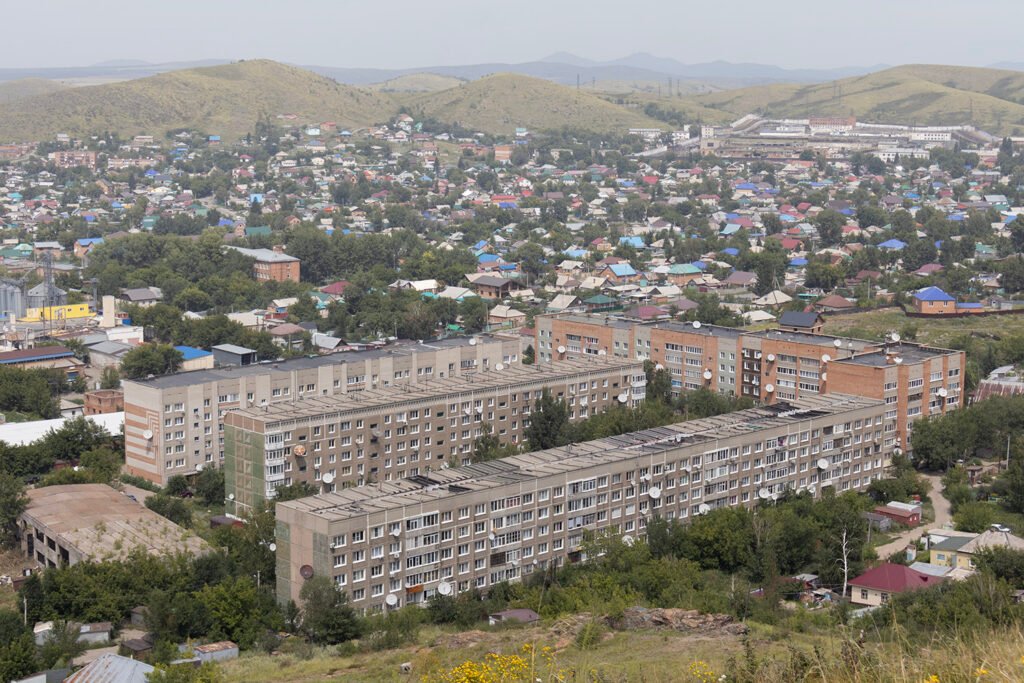
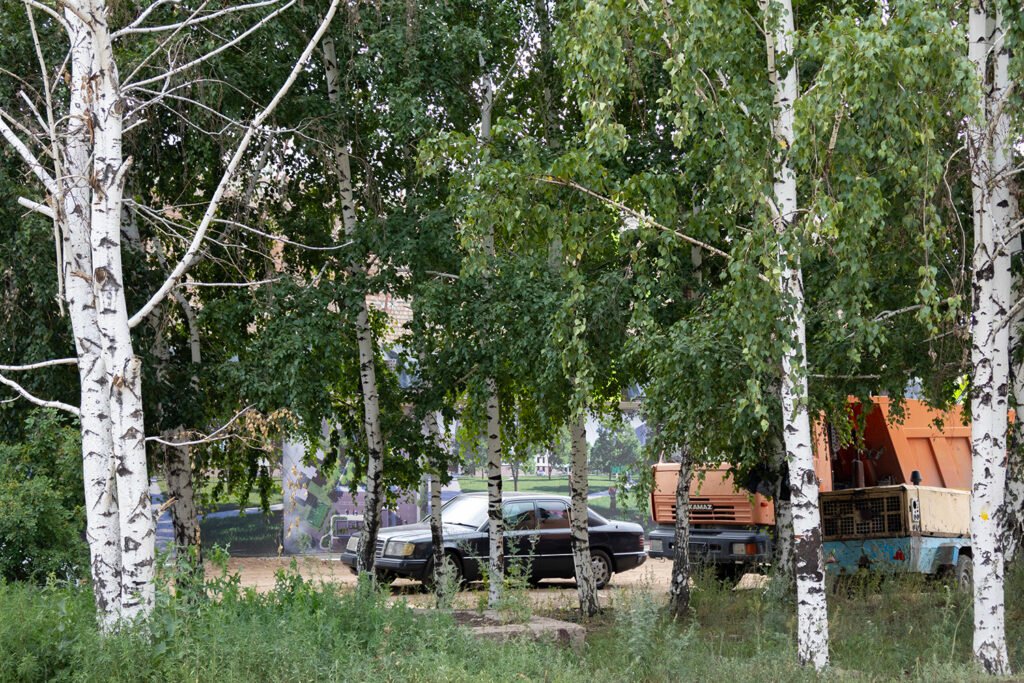
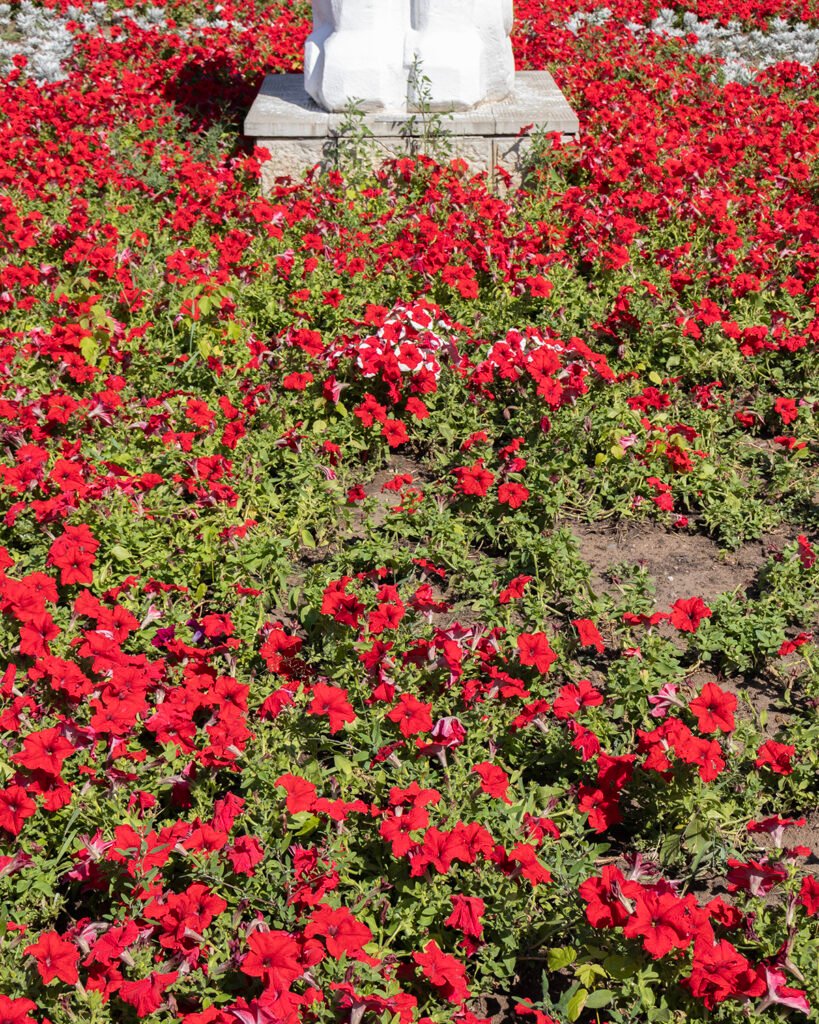
“Do they glue wallpaper with Baiterek and Khan-Shatyr in Paris and Rome?”—a rhetorical question I asked myself during my trip across Kazakhstan. A project born out of a simple desire to understand what the ninth-largest country in the world—the one where I was born and raised—is really like.
GeoGuessr comes to mind—a fun online game I like to get lost in from time to time. For those who don’t know how it works: in short, the game drops you into a random location in the world (captured for Google Earth), and within a limited amount of time you have to guess where you are. The more precisely you pinpoint your location, the more points you earn.
Pros of the game can identify countries, cities, and even specific streets by tiny details such as road signs, the shape of a fire hydrant, or even the color of the grass. I’m very bad at this game and can hardly guess anything.
Nevertheless, one time I was dropped into a strangely familiar place. I even laughed with an Italian friend: could this really be Kazakhstan? In front of me theres was a private house, and I thought that a house like that, with fences like those, could have been built only in Kazakhstan. Walking a bit further, I came across a food stand with an address and the city name written on it—Aktau. I have never been to Aktau, yet somehow, from what seemed like an ordinary house—one that could just as easily have been built somewhere in Brazil—I felt it from within: this was Kazakhstan.
At the time of writing this text, I have managed to visit only five cities in the central and eastern parts of the country: Karaganda, Balkhash, Öskemen, Semey, and Pavlodar. As I mentioned, I had no clear plan for this trip: “I’ll arrive in a city and then we’ll see,” I was telling myself again and agaim. In the first two cities, archival photographs of my parents—who had lived there for some time—were serving me as a guide. But as I continued on to other cities, any sense of direction disappeared, and all that was left was to go with the flow.
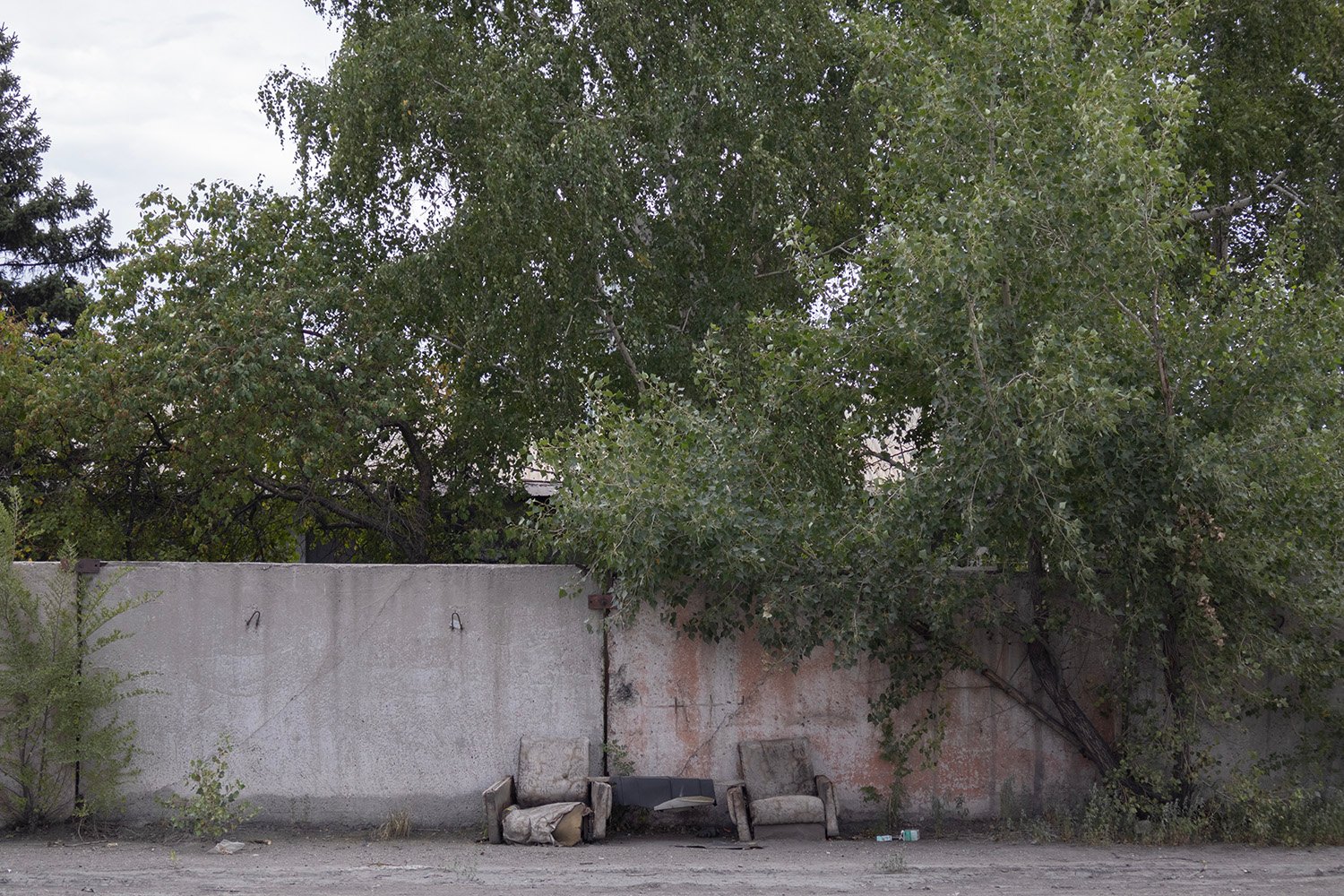
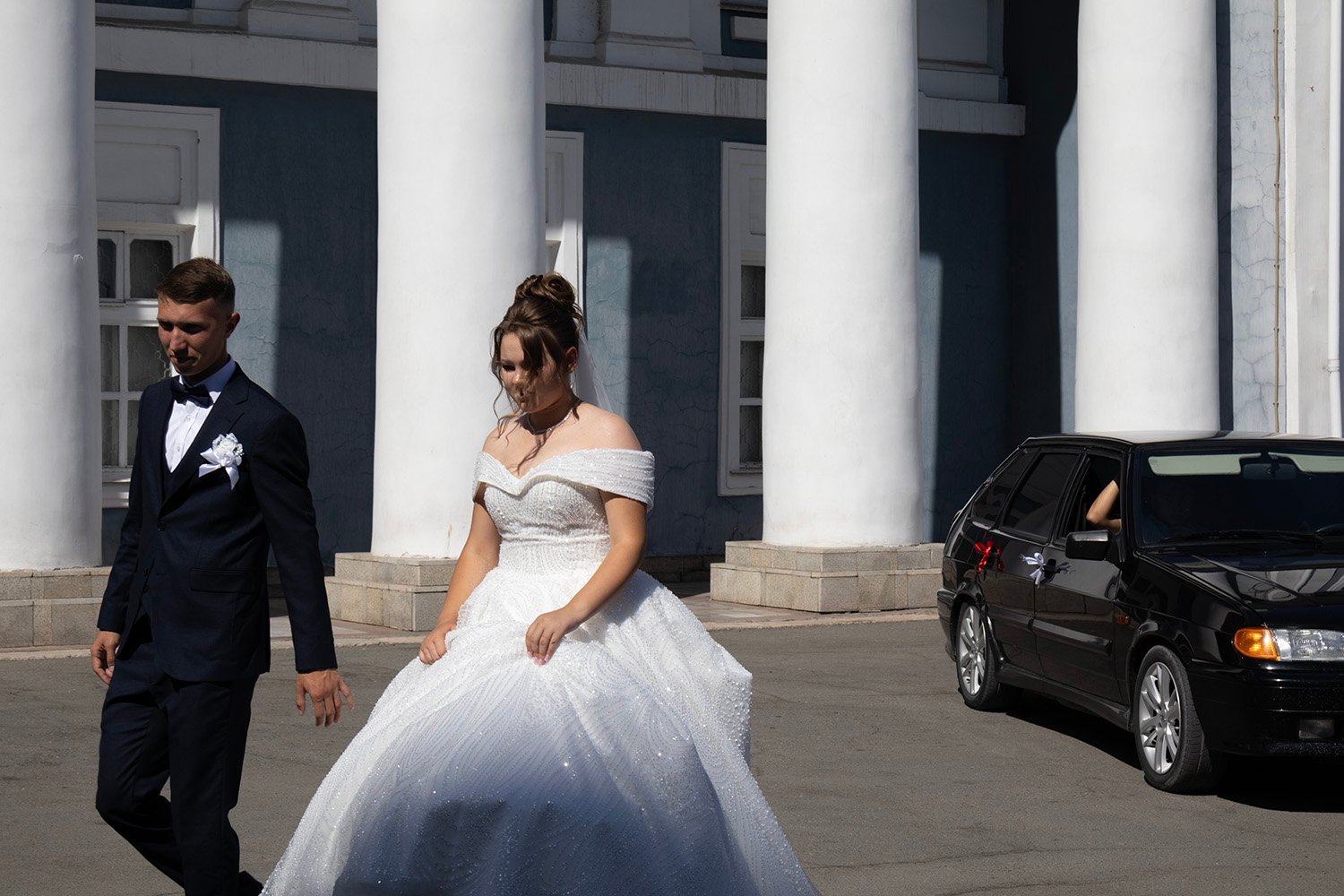
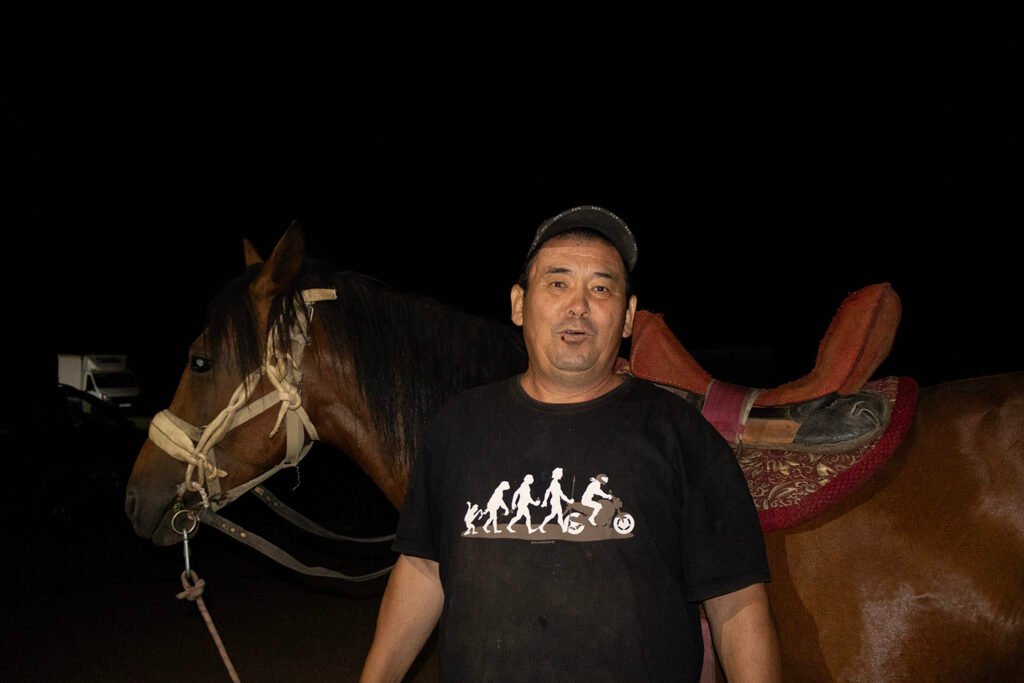
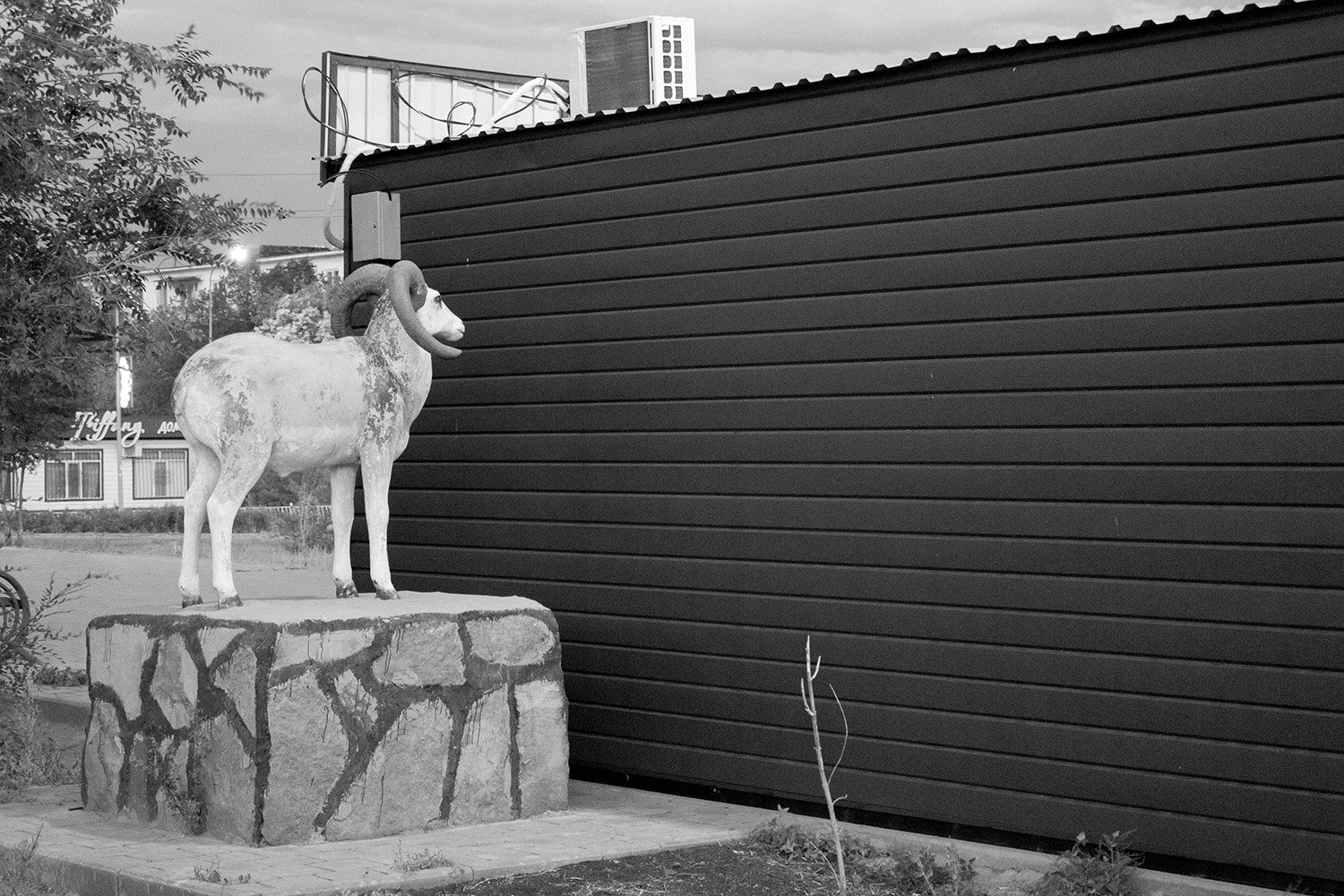
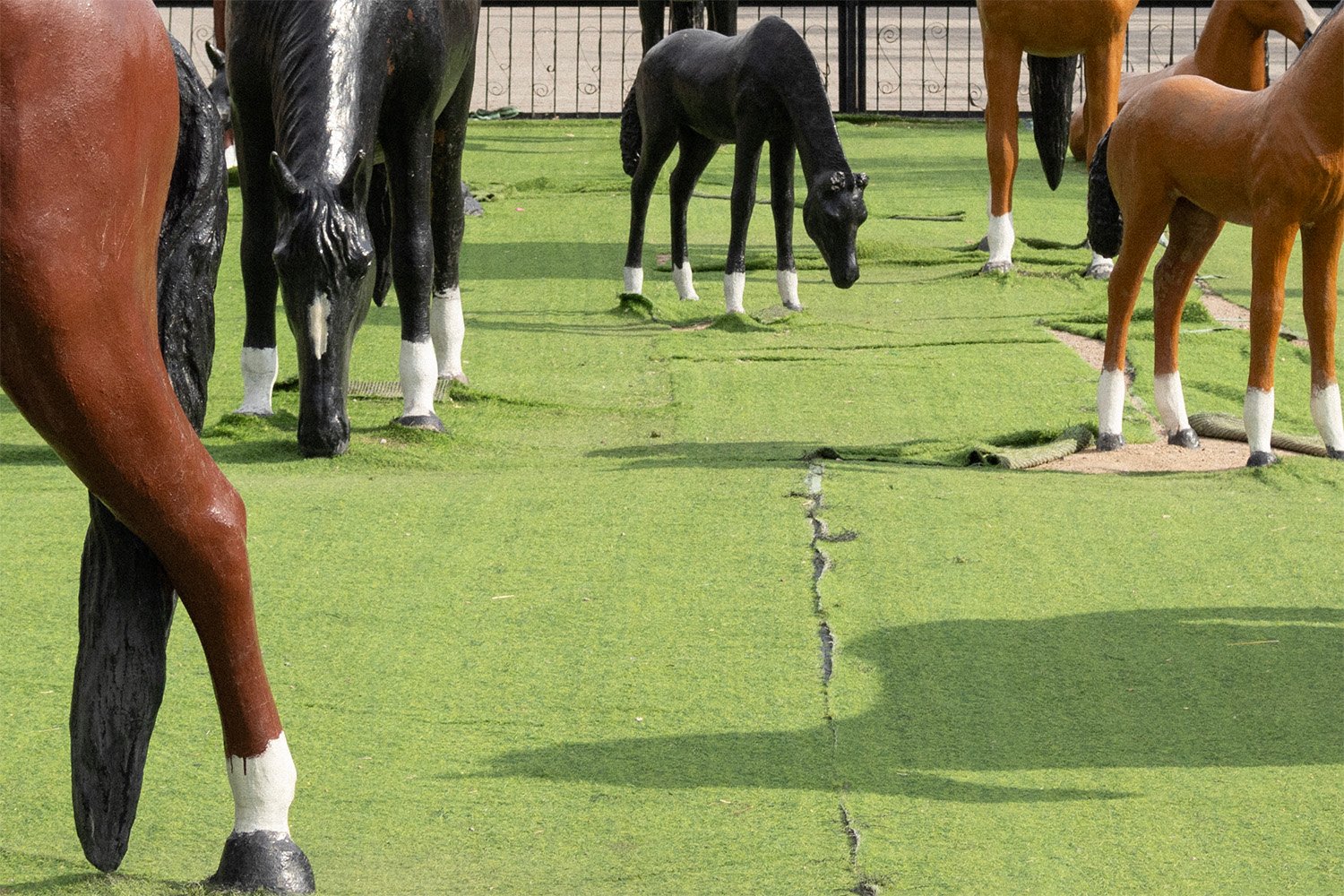
During my strolls, I like to look for humor and absurdity. I prefer spending time in the city rather than in nature, as I believe nature is perfect in itself and rarely inspires me to take a photo. The world created by humans, on the other hand, is peculiar and imperfect—at times awkward and even ugly. People create absurd, illogical, yet deeply charming things and situations that one can’t help but capture. Kazakhstan itself seems to invite this. It is a country with a difficult past, present, and perhaps future, and it seems to me that such situations will always continue to occur.