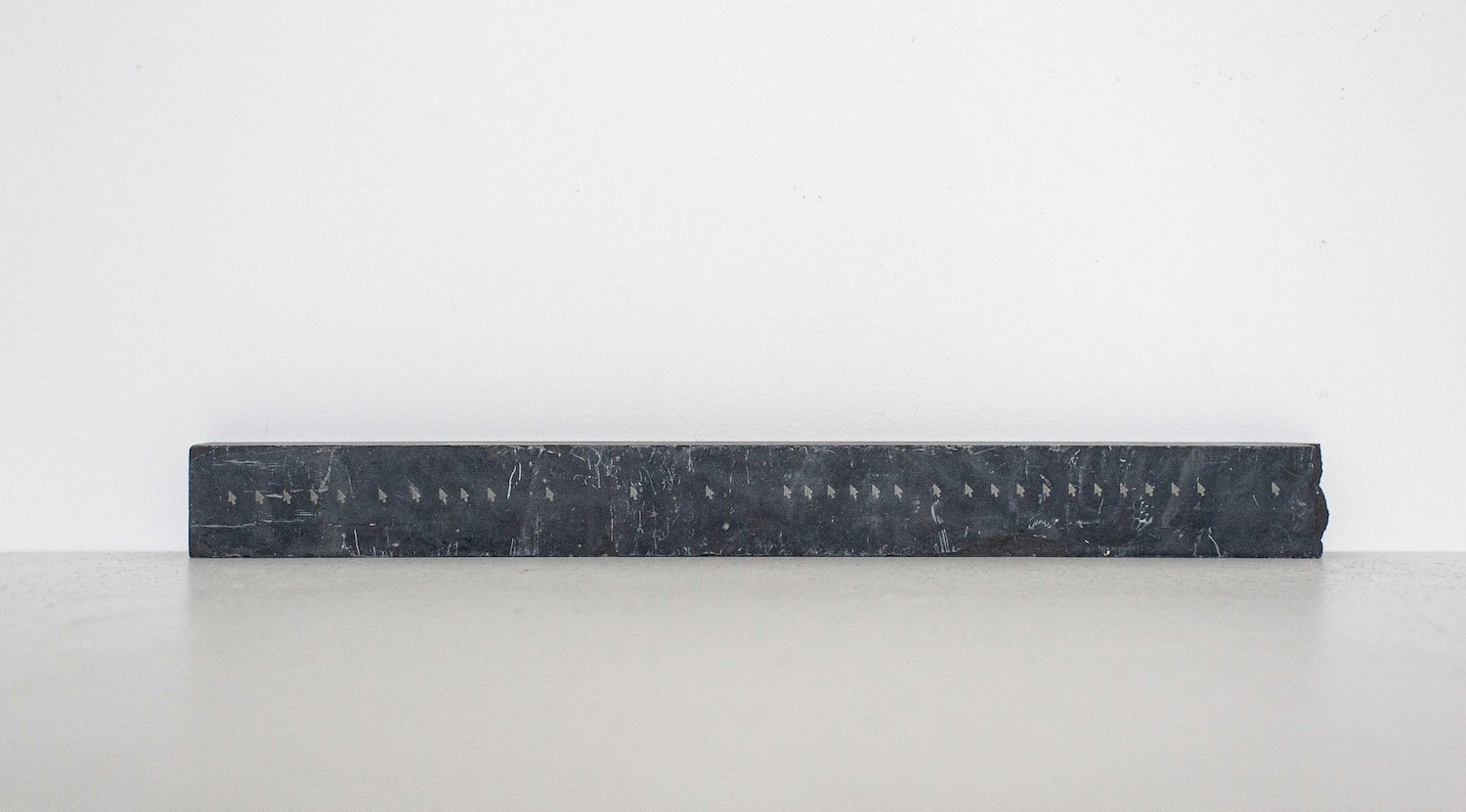
Interfaces Ephemeral digital interfaces engraved into permanent materials.
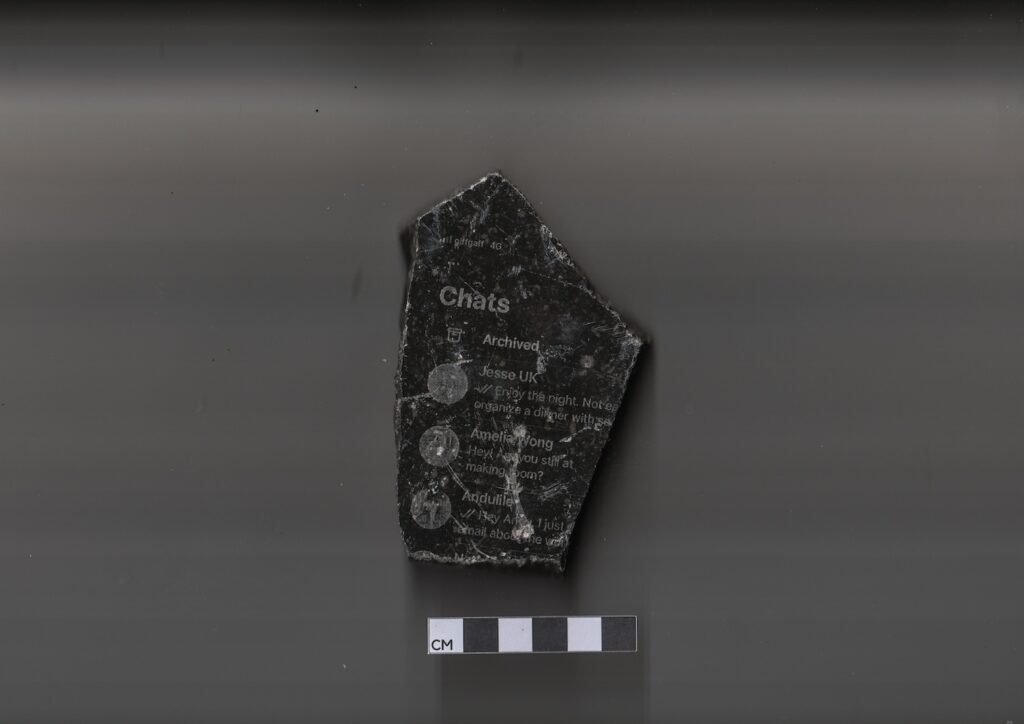
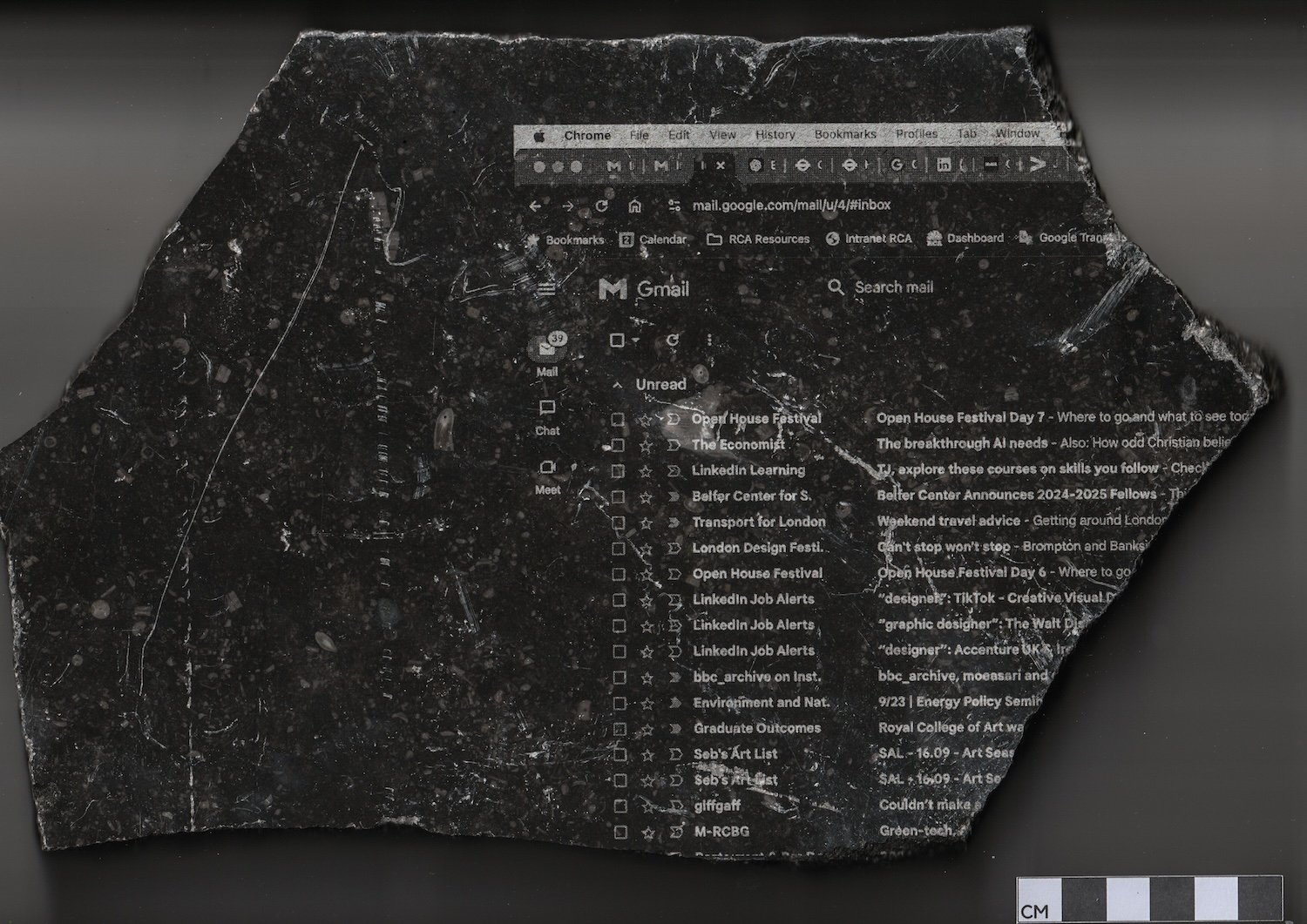
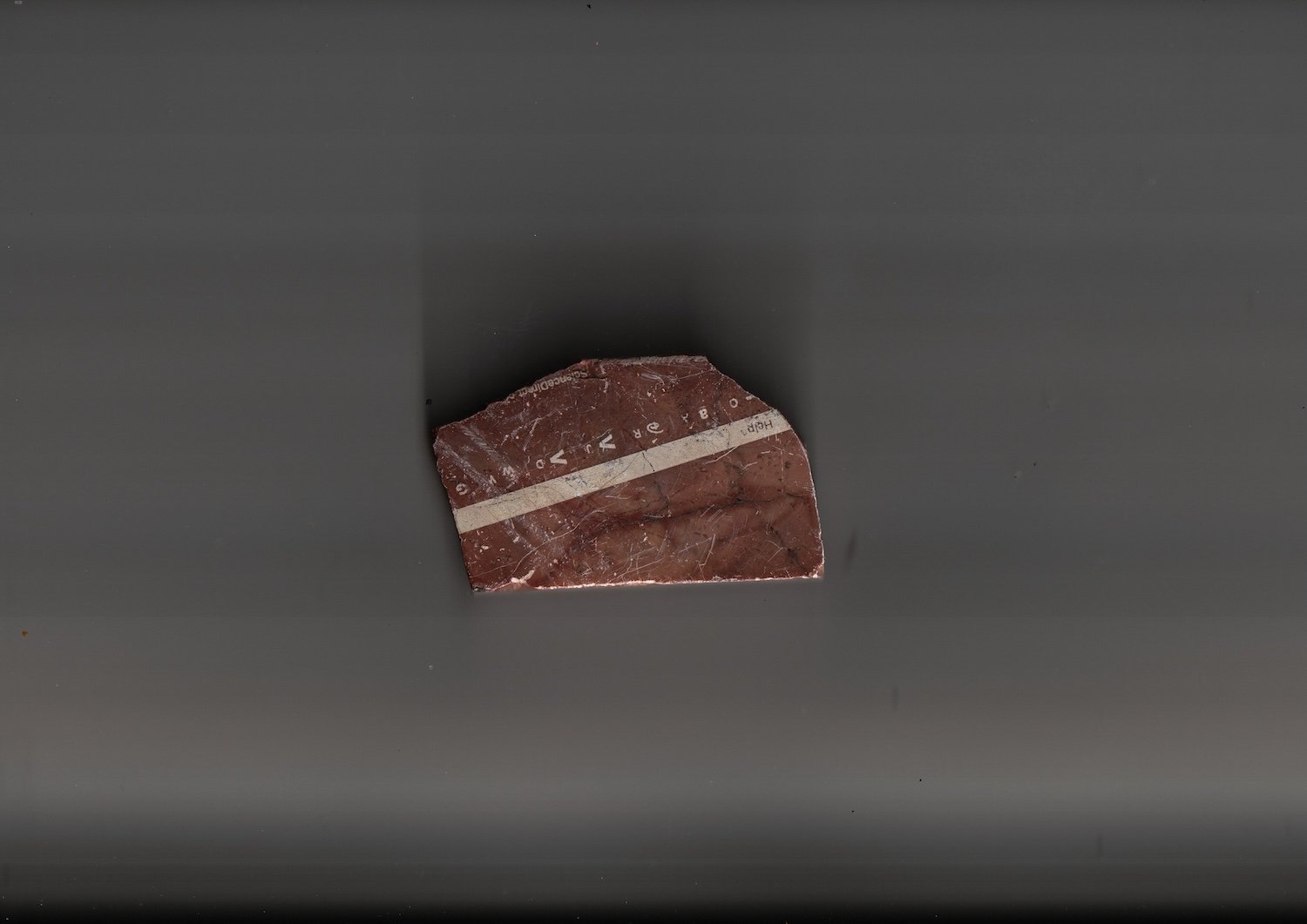
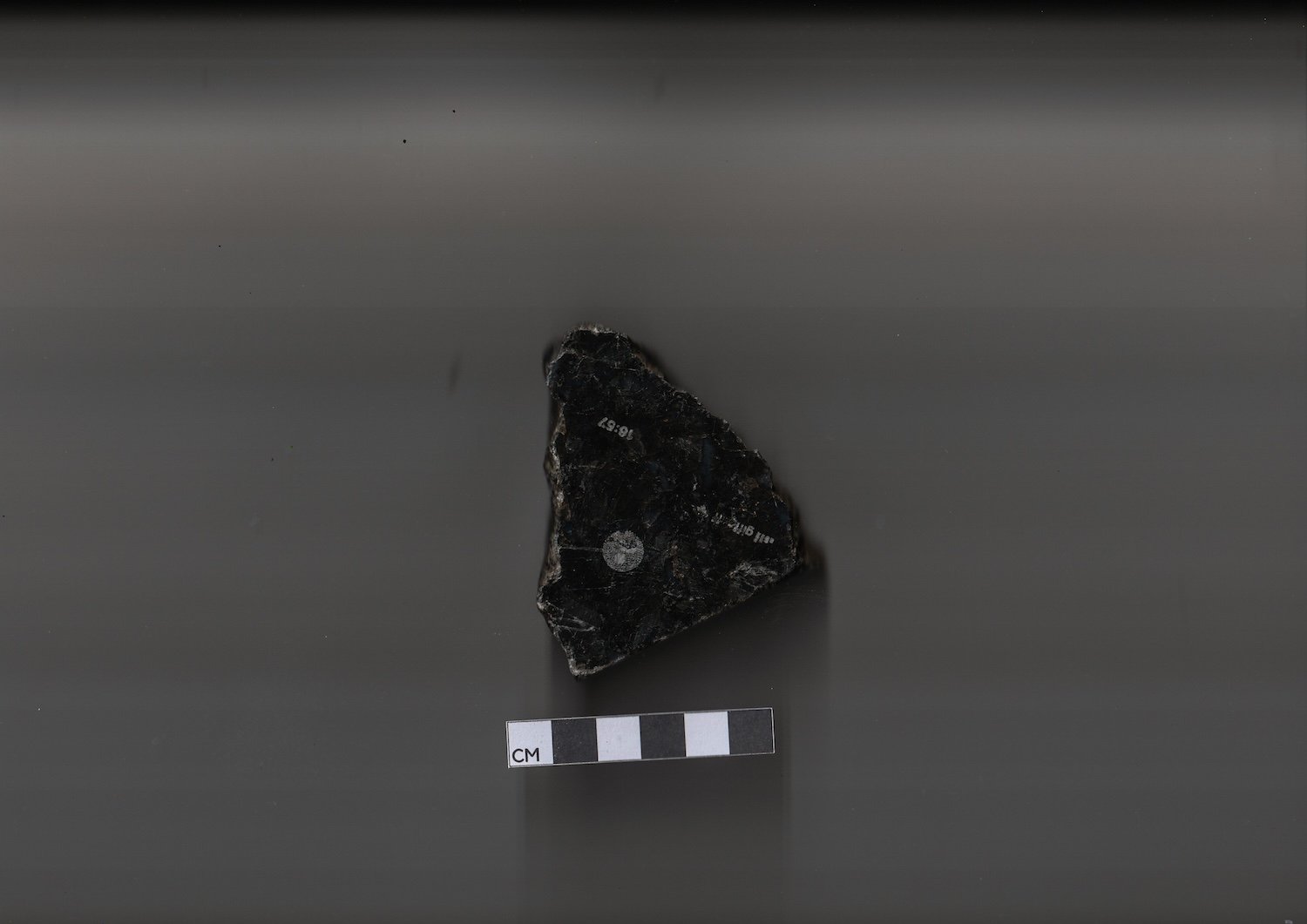
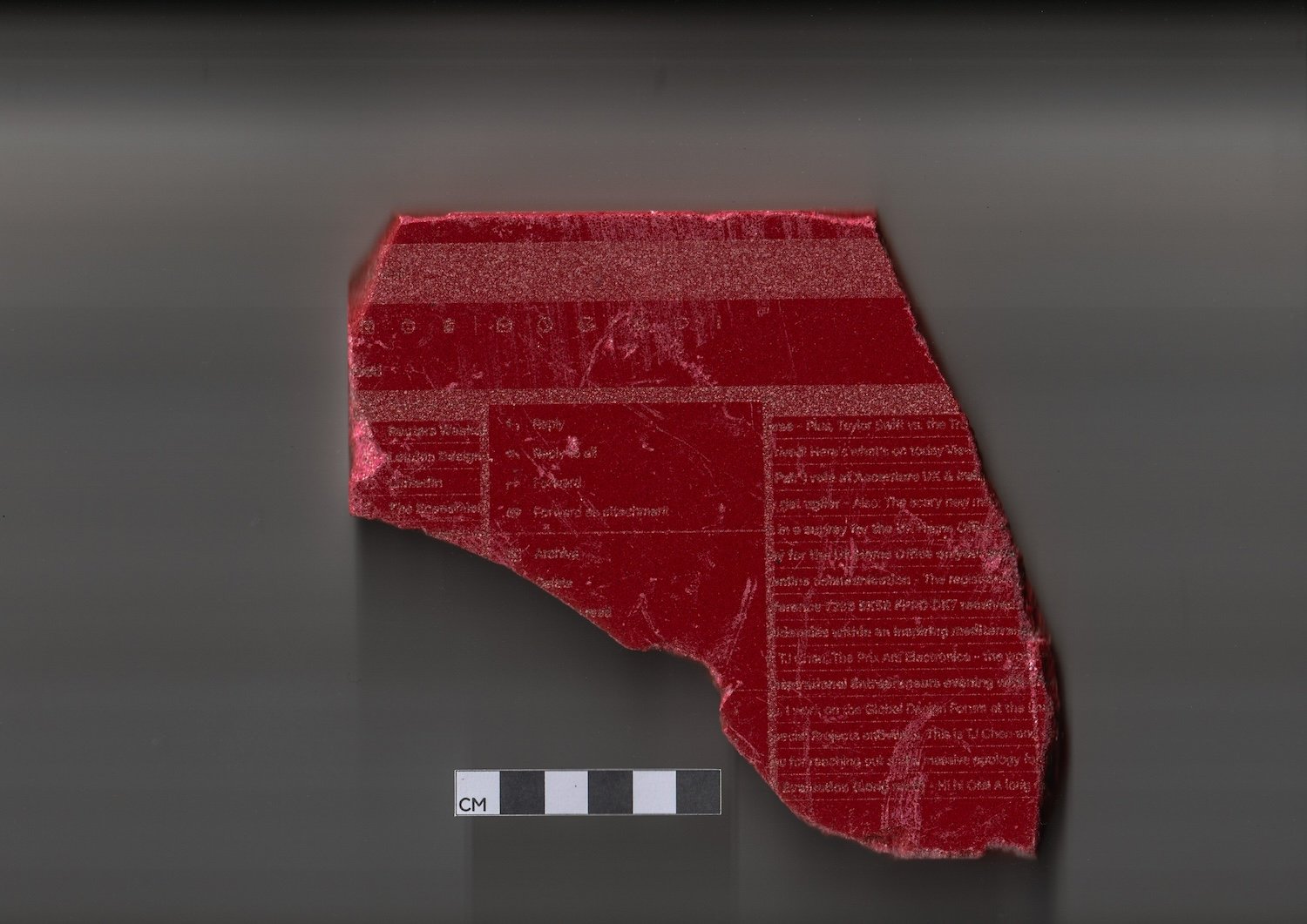
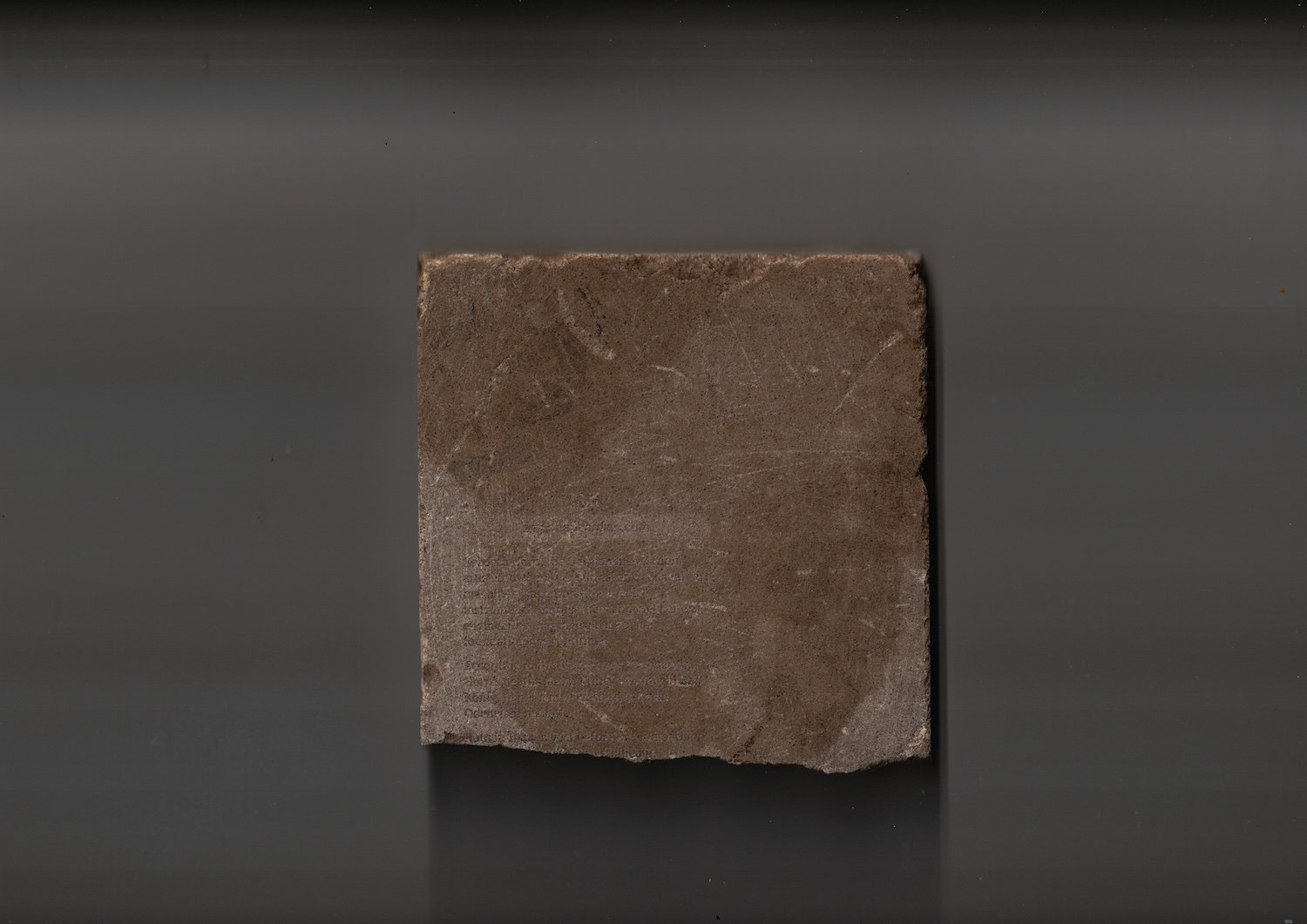
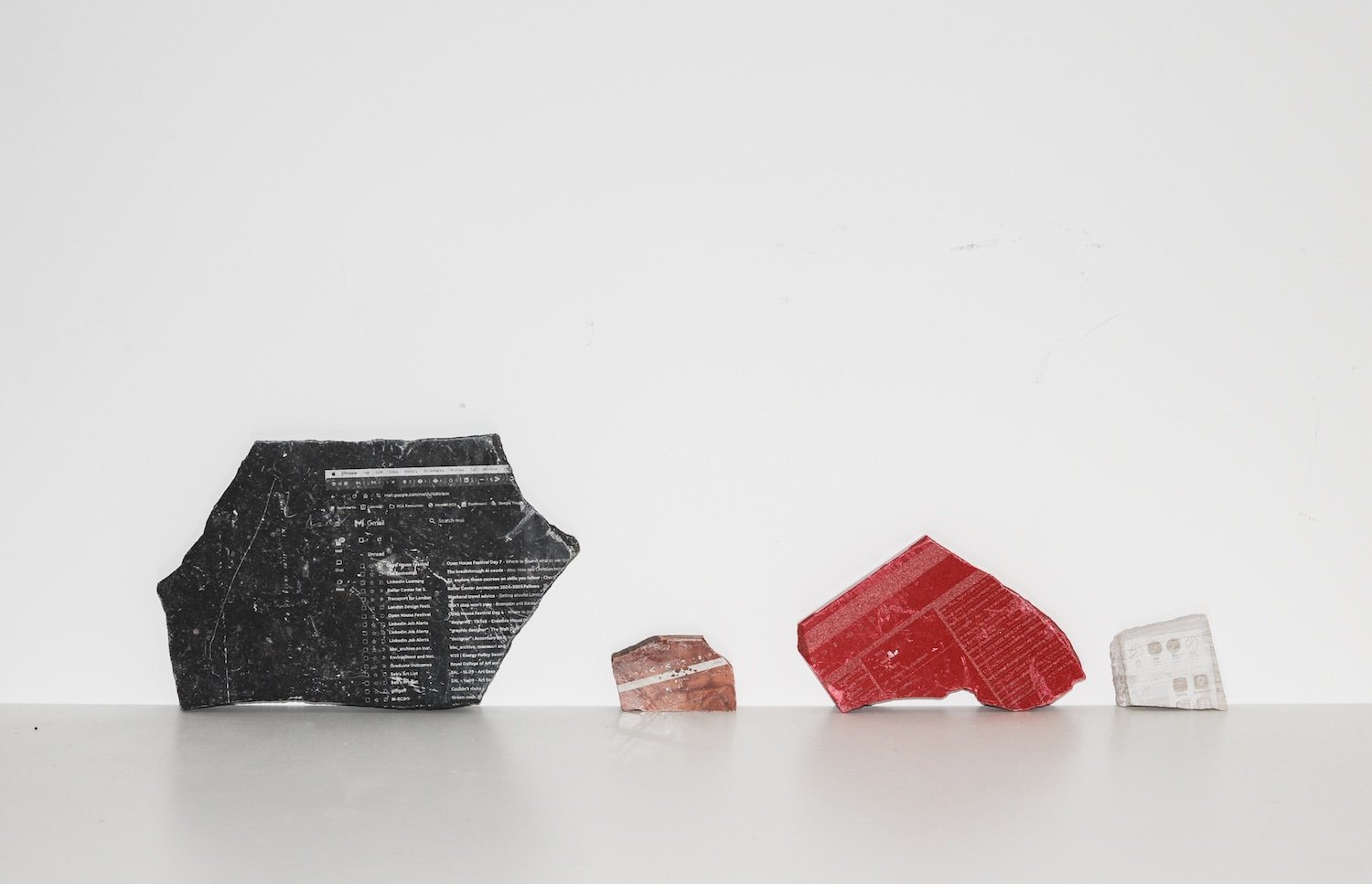
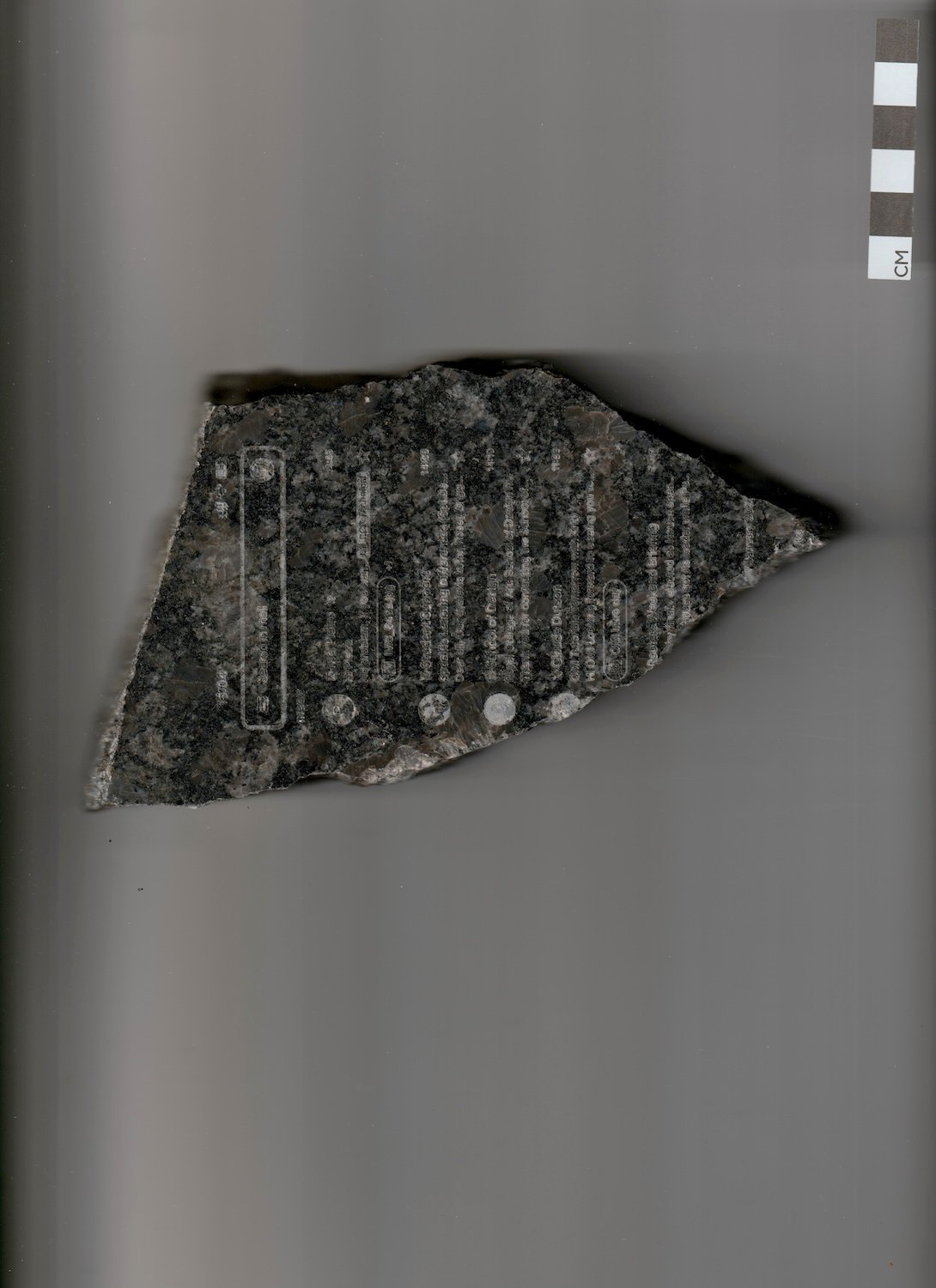
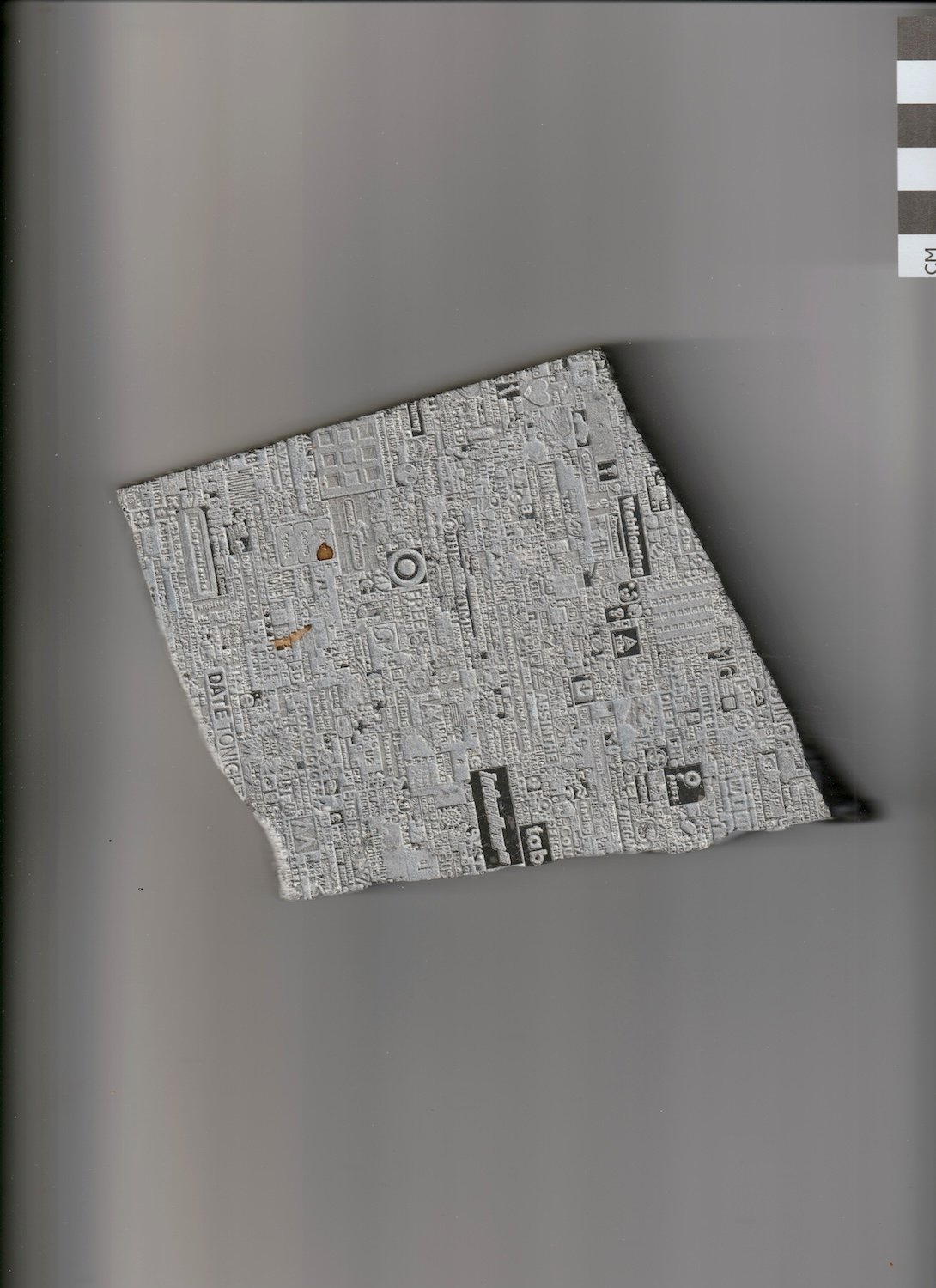
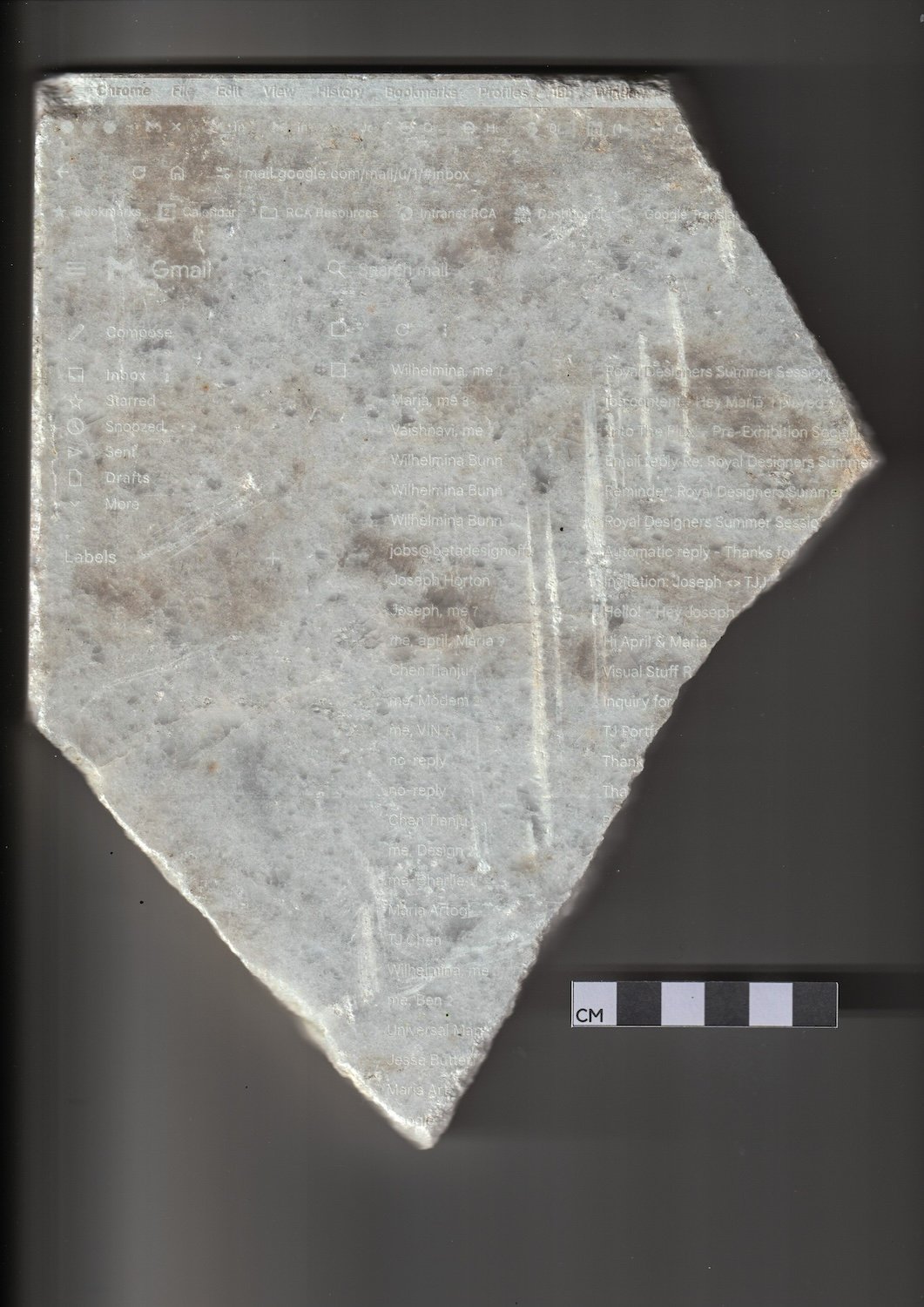
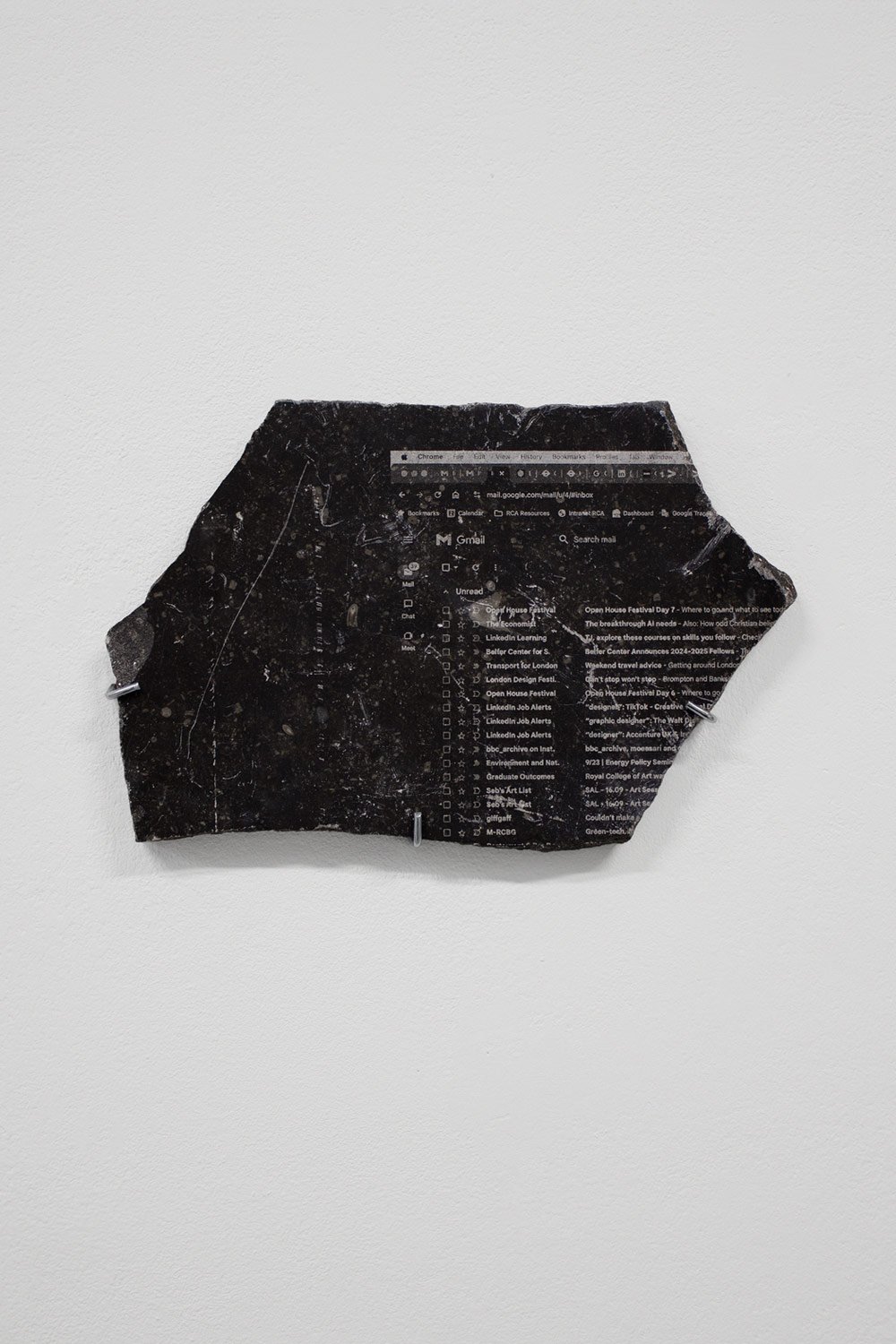
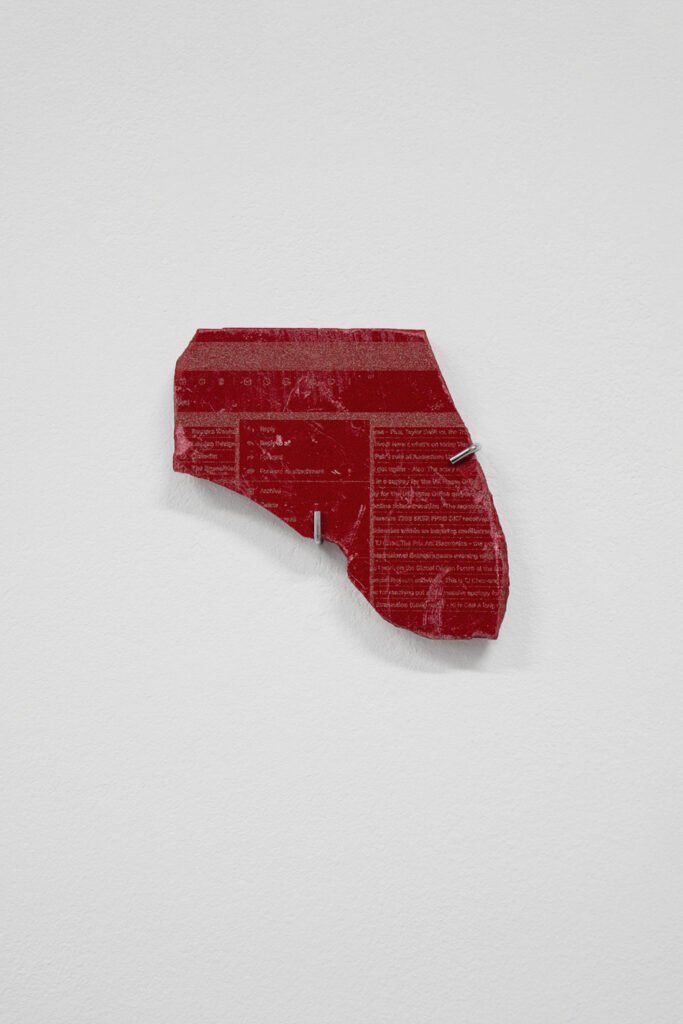
I always view fast-growing digital information with nostalgia. Things that have not yet been perceived have already passed by. Digital interface is a specific kind of information with a unique format that perhaps only belongs to the time we live in. In this project, digital interfaces are documented in permanent materials. They are given tangible form and depth through different media.
TJ Chen deconstructs the systems that promise speed and convenience, exposing interfaces and platforms as engines that dictate labor, attention, and desire. He dismantles the everyday symbols of digital life, turning “seamless” design into physical artifacts that reveal the strain of failure, delay, and overload. This practice operates in the friction between a fascination with function and a skepticism toward its promises — treating technology as a set of habits we inhabit rather than tools we simply use. By forcing these ubiquitous systems into the foreground, TJ interrogates their impact on our time, our work, and our sense of self.
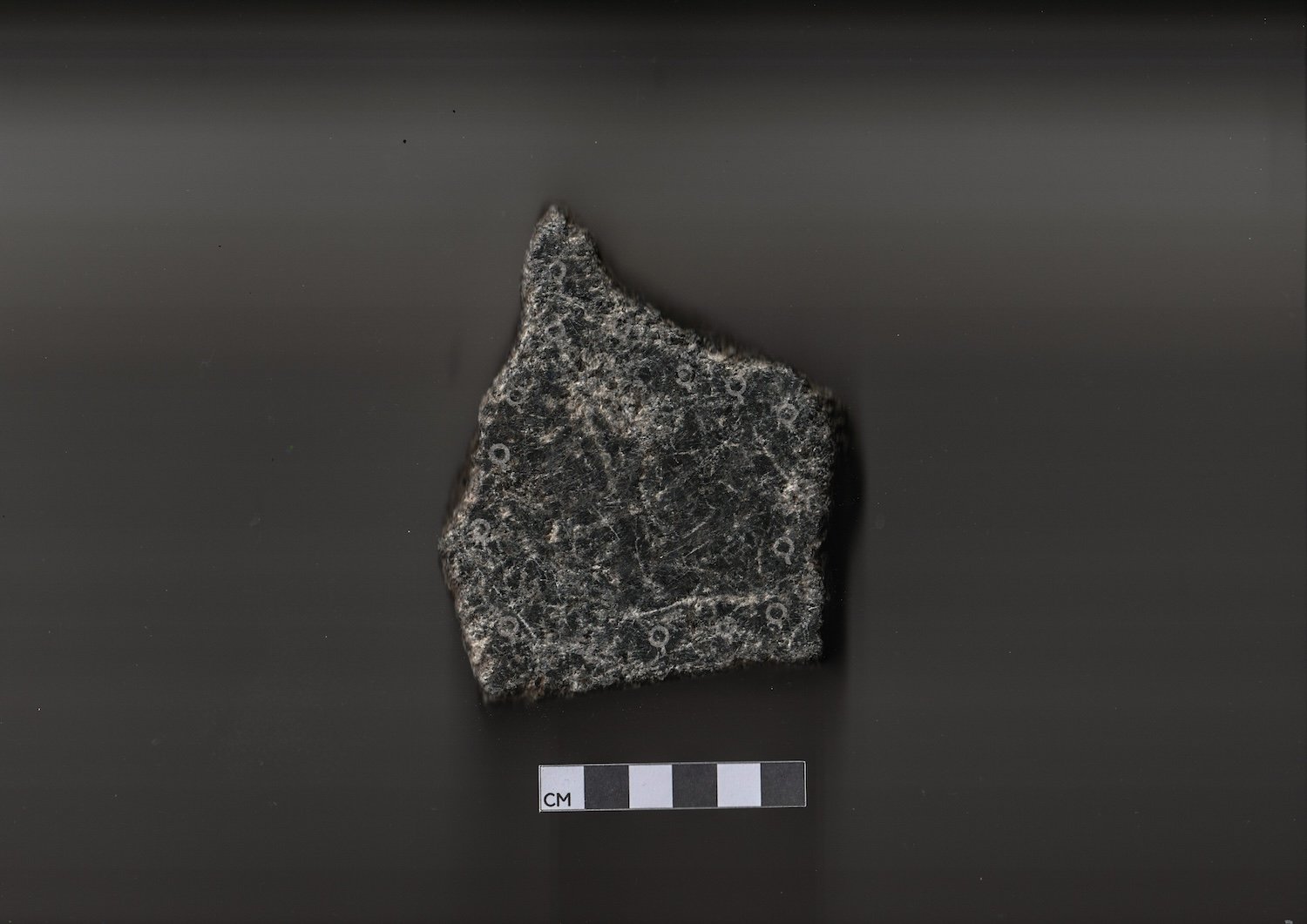
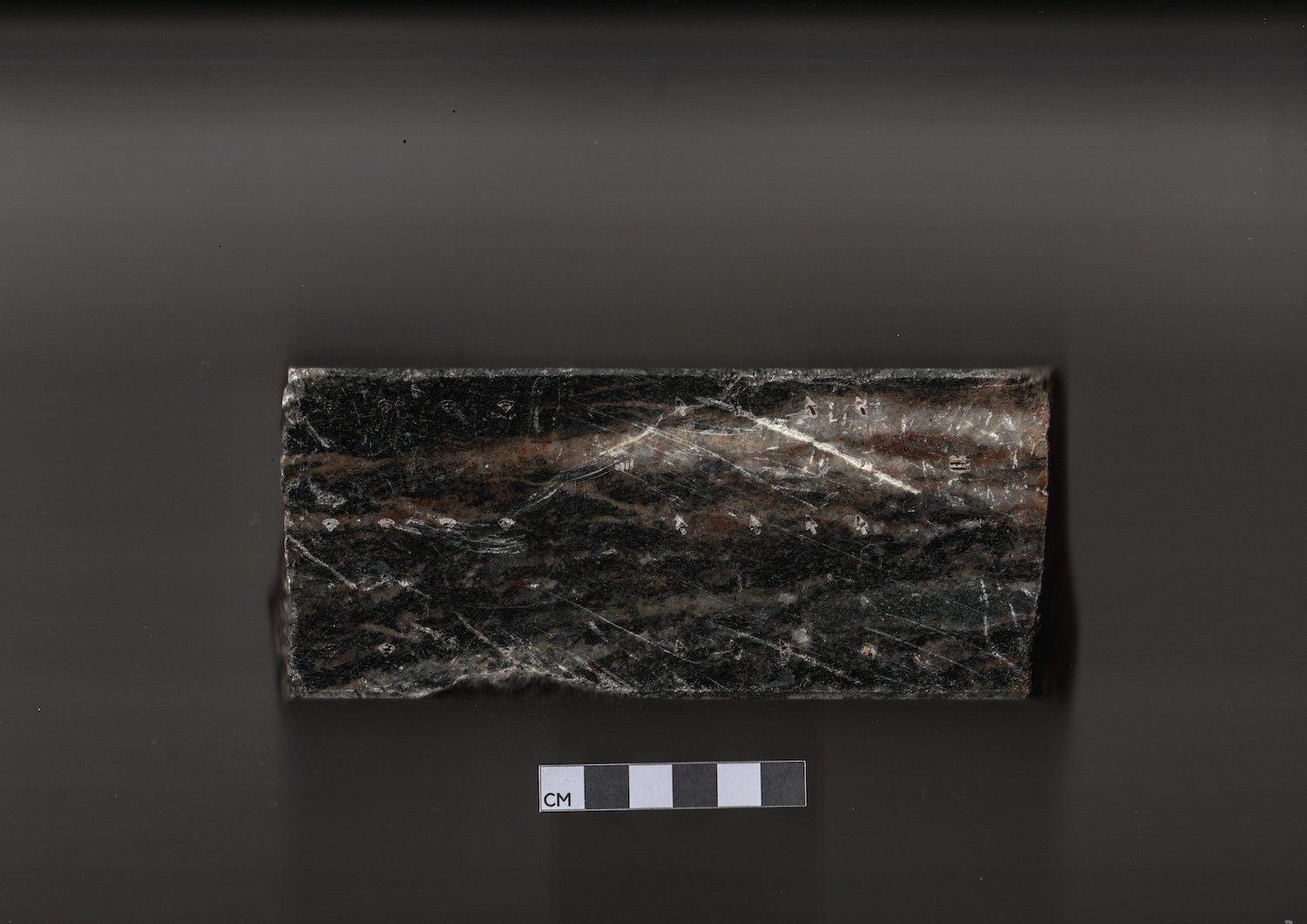
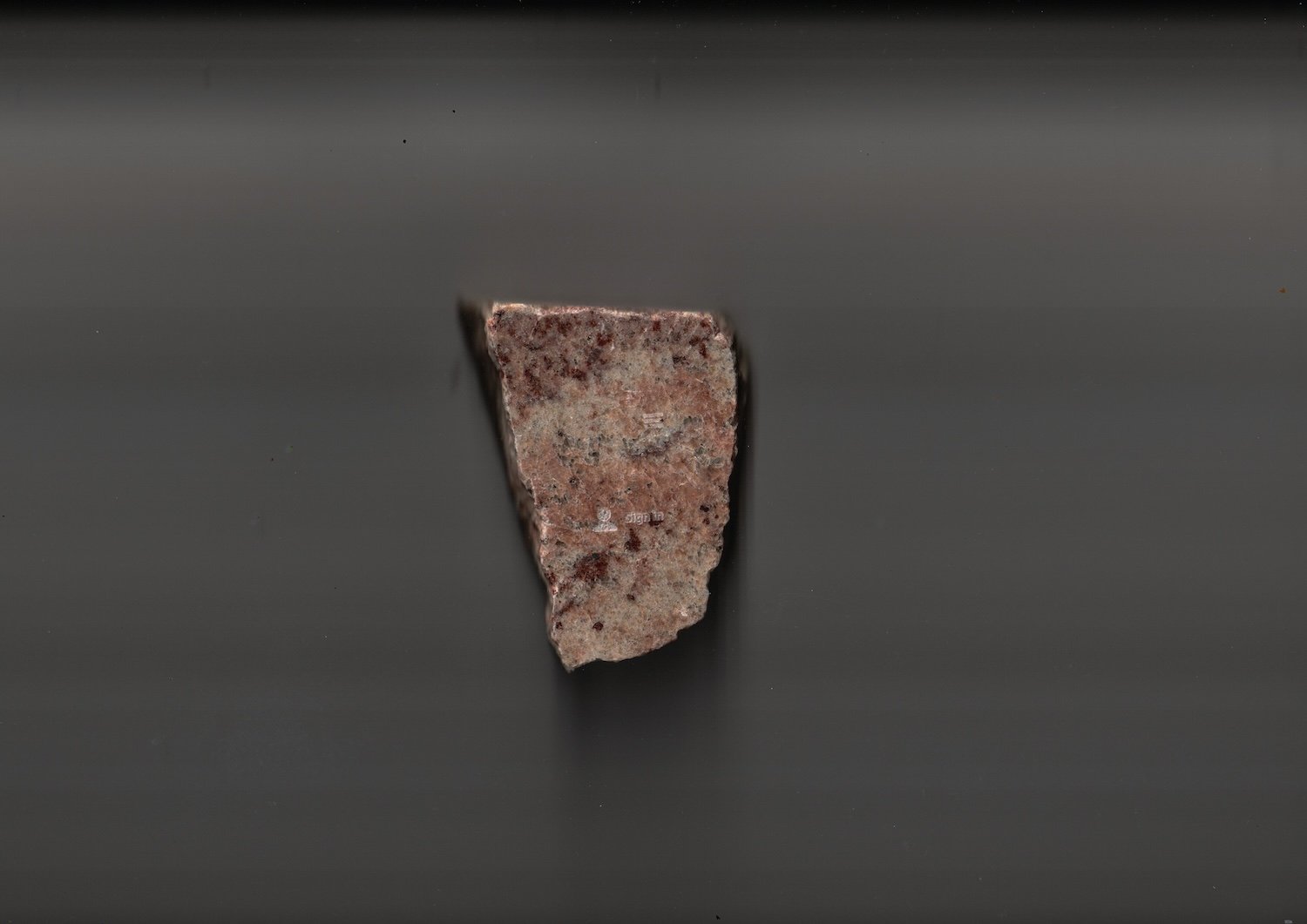
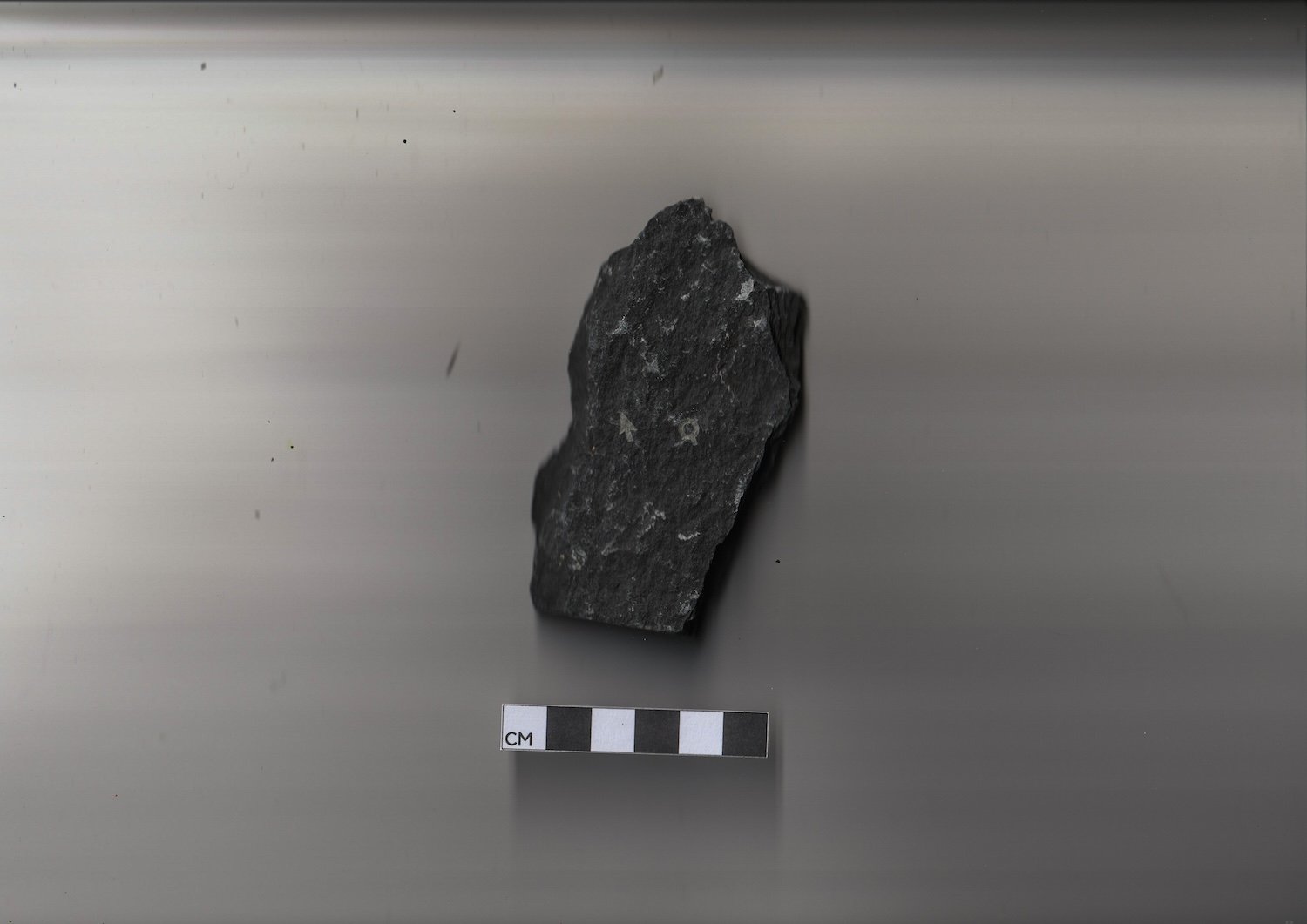
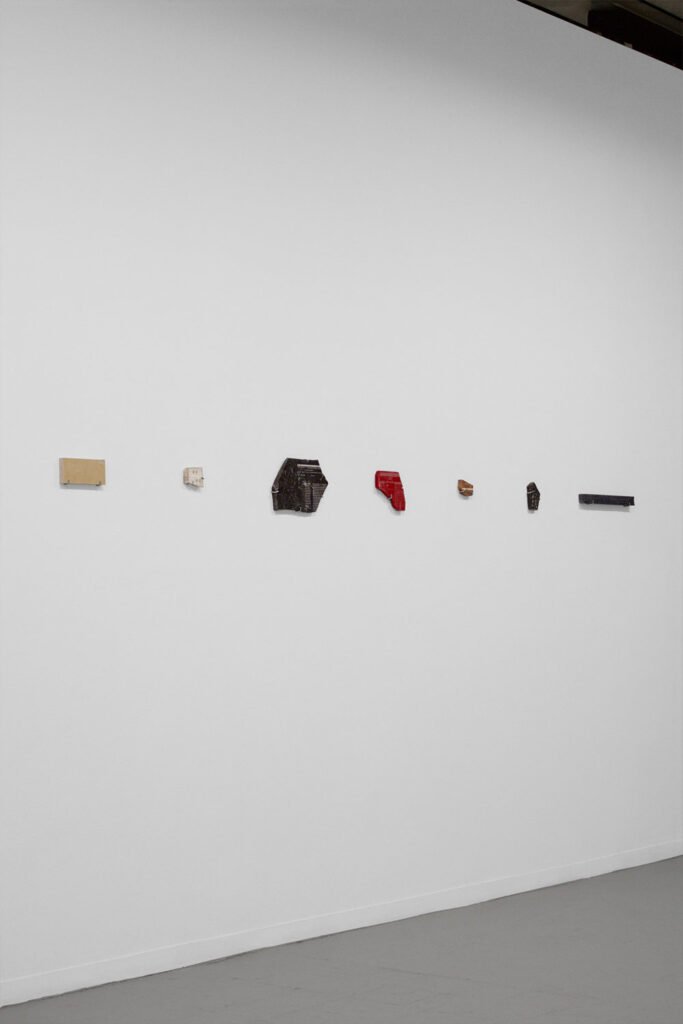
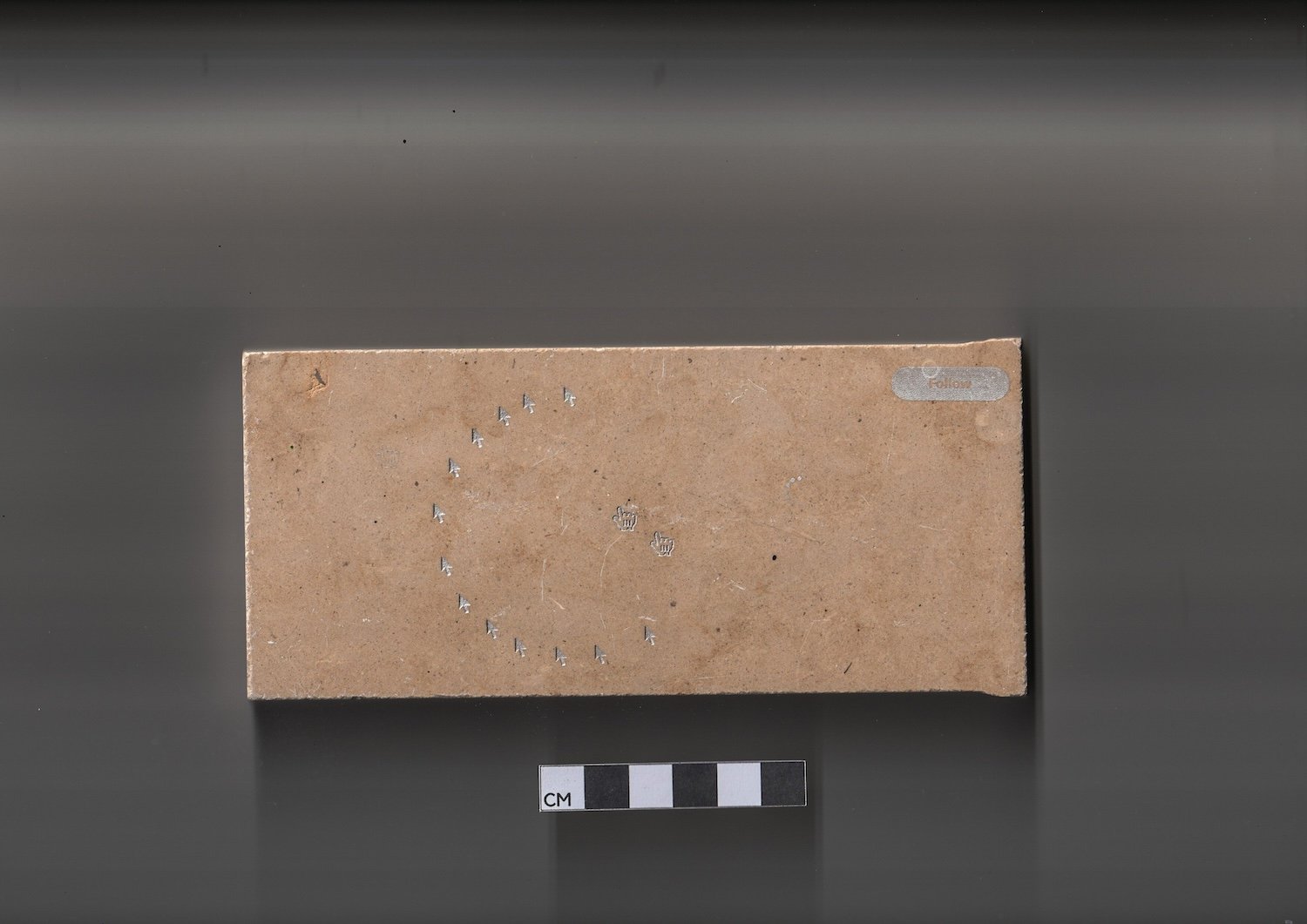
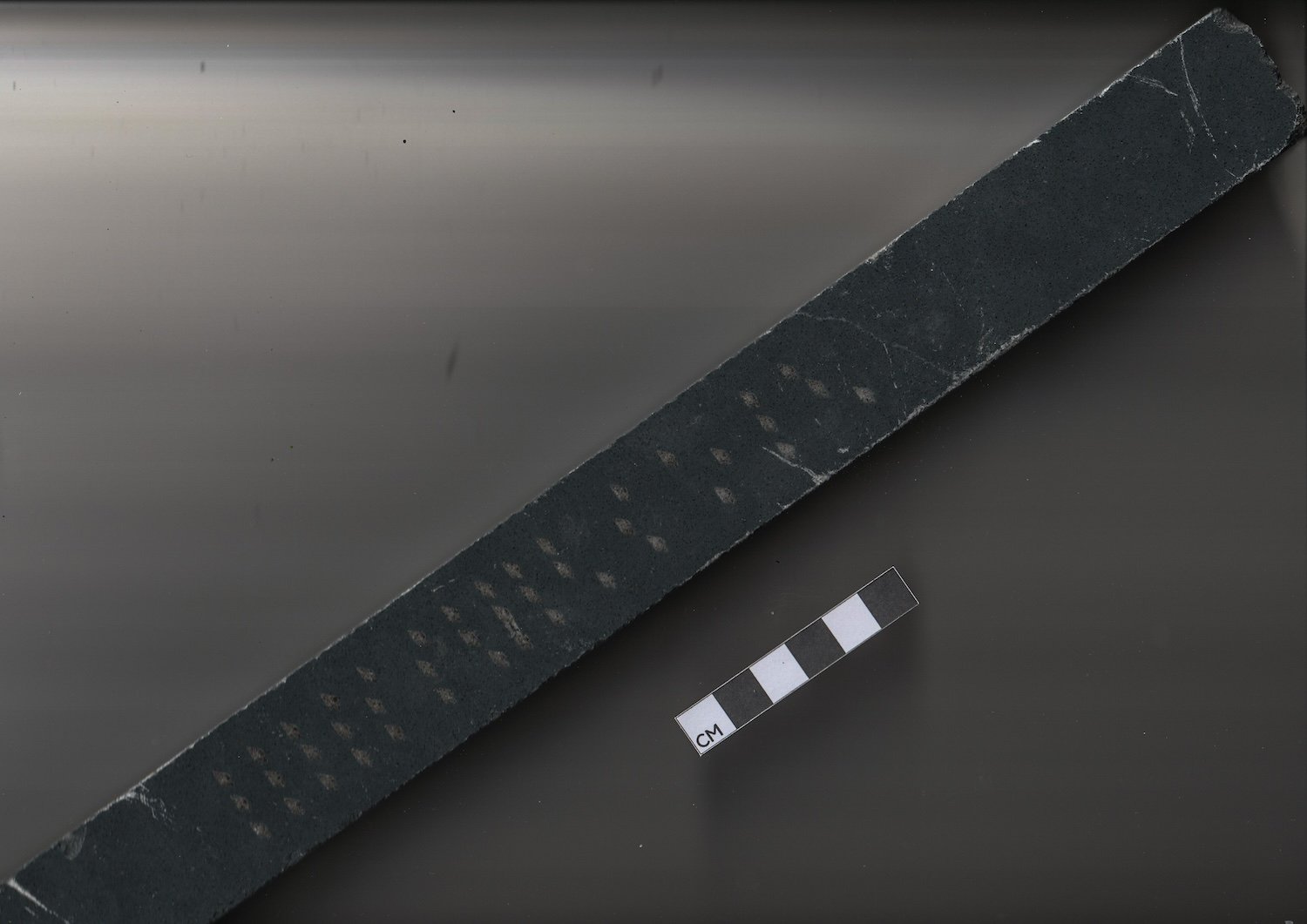
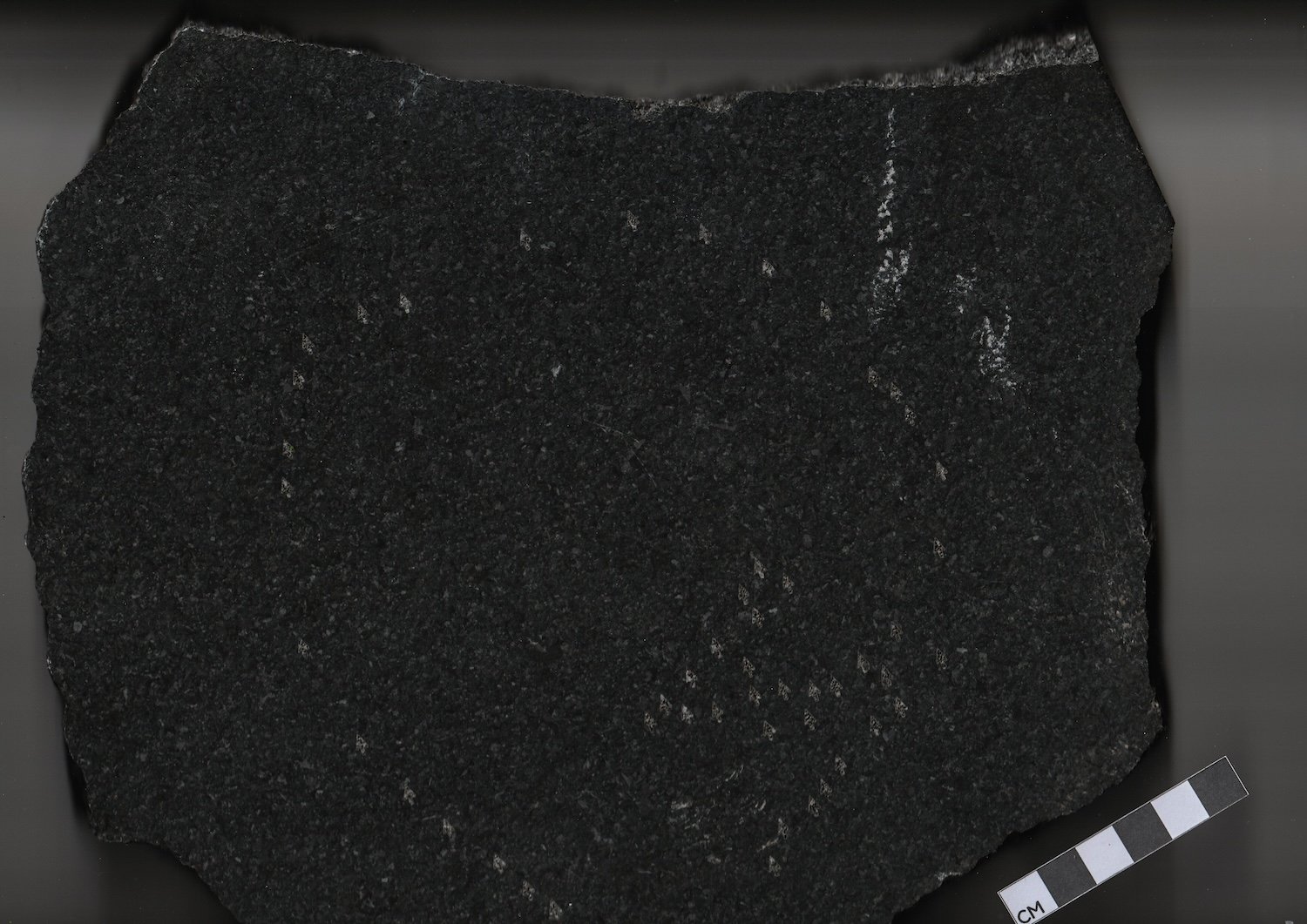
Since 2022, the series Interfaces has fixed the fleeting environments of the screen into the permanence of stone. By engraving pop-ups, menus, and cursors into one of the world’s most ancient materials, TJ creates a strange archaeology of the now, transforming dynamic pixels into weighty, fossil-like relics. These works capture the “amphoral” movement of navigating digital space, documenting a specific memory of interaction that borders on addiction and overwhelm. As today’s systems render themselves obsolete, these static stones remain as monuments to a vanished digital age. They no longer perform a function; they simply record the urgent, constant touch of a generation before it disappears.
Cursors are elements of the digital interfaces that users interact with and can indicate location, movement, speed, and even time in the digital space. With the help of interactive devices(mouses, trackpad, etc.) analog movement is mapped into digital world. When these cursors are represented and given depth into stone, it disconnects the familiar visual elements from the actual digital experience.
This work documents something that perhaps can only be understood by those of us who live through this particular time and share the digital experience of engaging with computers.
TJ Chen is a designer and artist based in London. With a background in design and engineering, TJ’s work often reflects his interests and skepticism of tools, services, and systems intended to enhance human abilities, amplify productivity, and enchant commodities.
We use cookies to make your experience better. Check out our Privacy & Terms for more info... AcceptCookie settings
Privacy & Cookies
Privacy Overview
This website uses cookies to improve your experience while you navigate through the website. Out of these cookies, the cookies that are categorized as necessary are stored on your browser as they are essential for the working of basic functionalities of the website. We also use third-party cookies that help us analyze and understand how you use this website. These cookies will be stored in your browser only with your consent. You also have the option to opt-out of these cookies. But opting out of some of these cookies may have an effect on your browsing experience.
Necessary cookies are absolutely essential for the website to function properly. This category only includes cookies that ensures basic functionalities and security features of the website. These cookies do not store any personal information.
Any cookies that may not be particularly necessary for the website to function and is used specifically to collect user personal data via analytics, ads, other embedded contents are termed as non-necessary cookies. It is mandatory to procure user consent prior to running these cookies on your website.